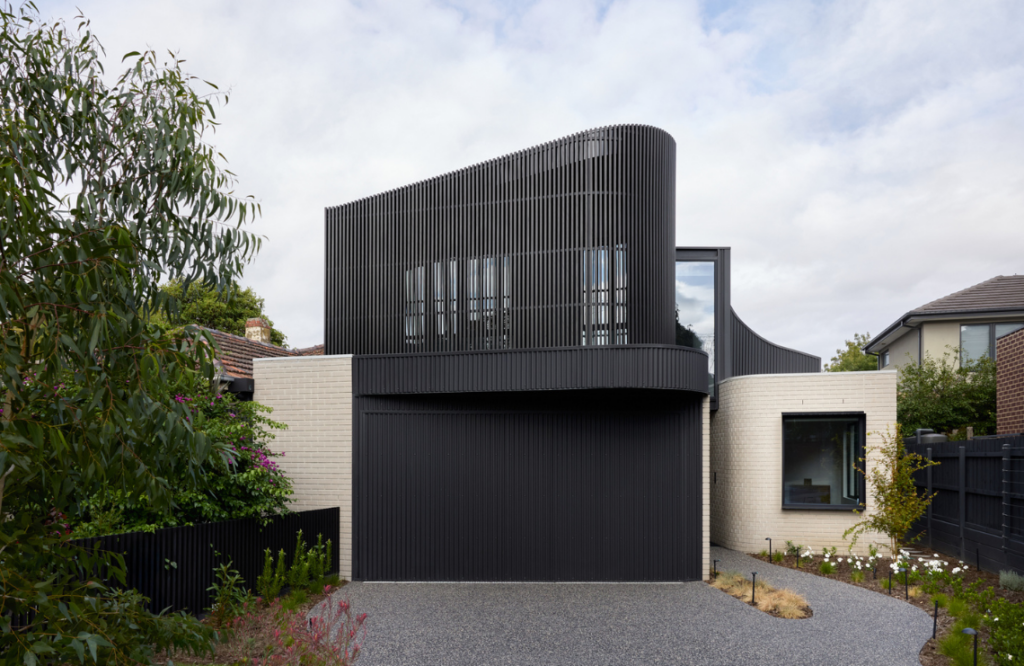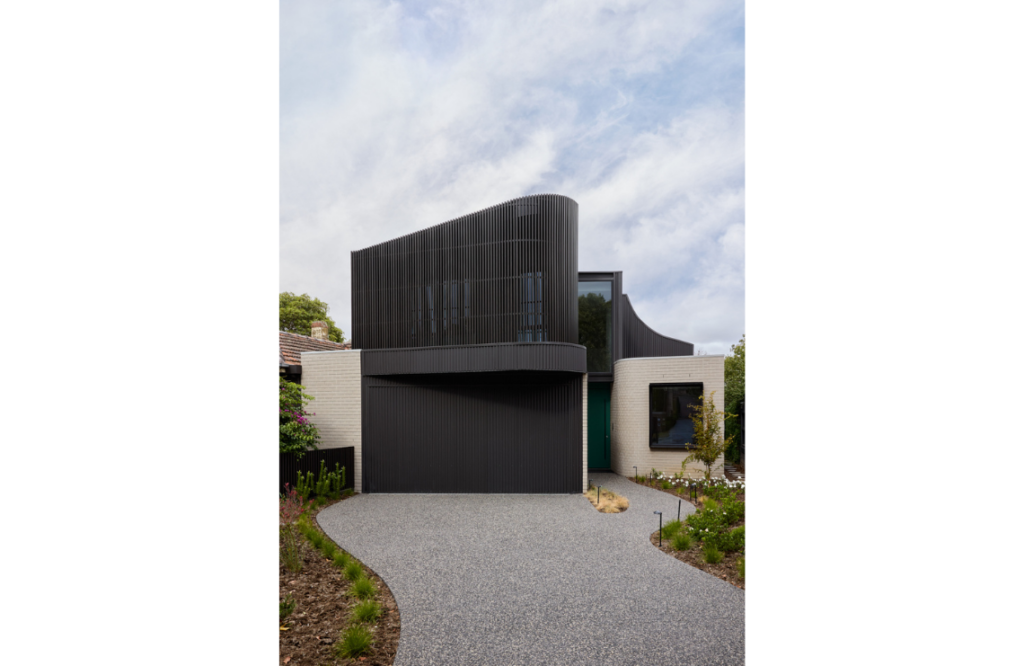

This forever home by Atlas Architects stands proud, shaped by ecofriendly design principles. The original post-war semi-detached dwelling on the block was not ageing with grace; it was poorly designed and oriented and wouldn’t cater to the homeowners’ future needs.
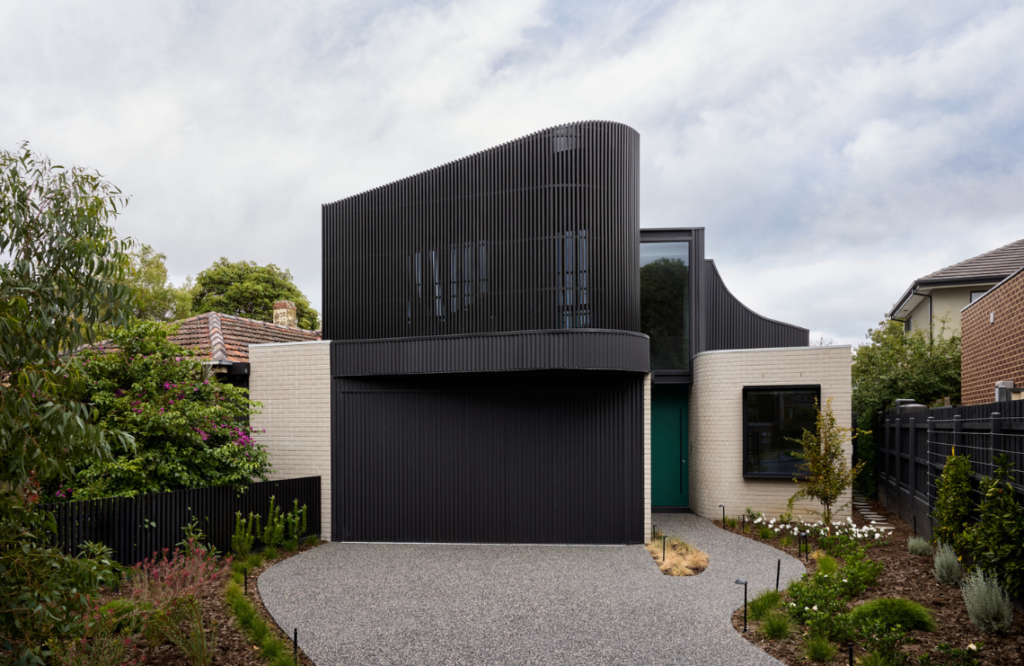
Aaron Neighbour, director of Atlas Architects, says Steve and Marian, a couple in their 60s, were looking to create a forever home with zero maintenance that would ably support ageing in place. “We carefully dismantled the existing building to unlock the full potential of the land and allow for a more thoughtful and site-responsive design,” explains Aaron.
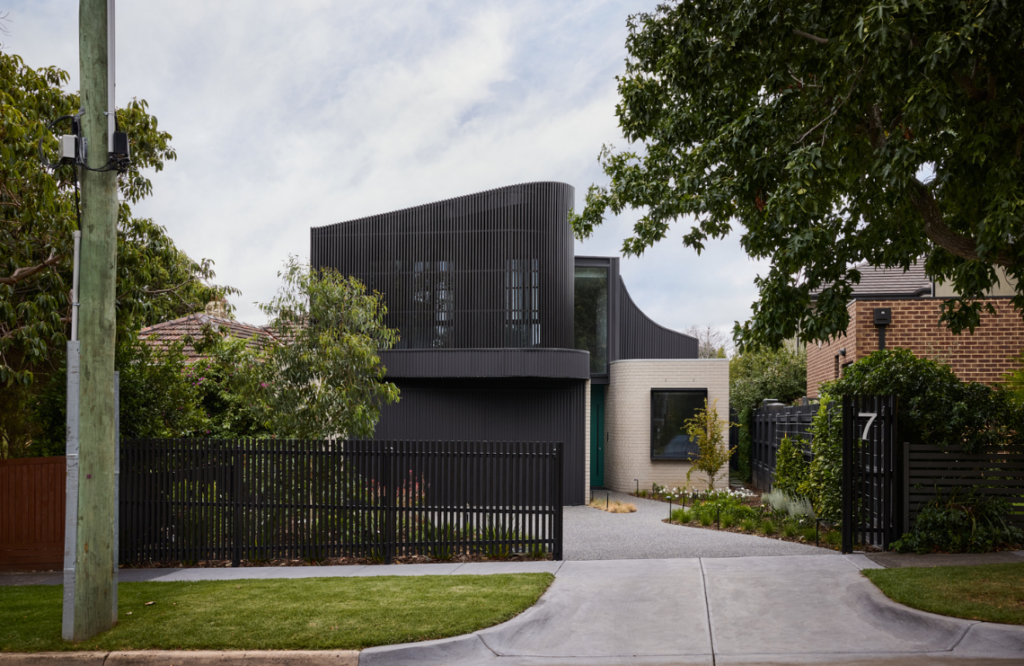
Another firm must-have was to create something that was visionary, an abode that voiced a different narrative to that of neighbouring properties. “The clients wanted the home to establish its own strong identity,” notes Aaron, “to be distinct and independent from the neighbouring semidetached dwellings.”
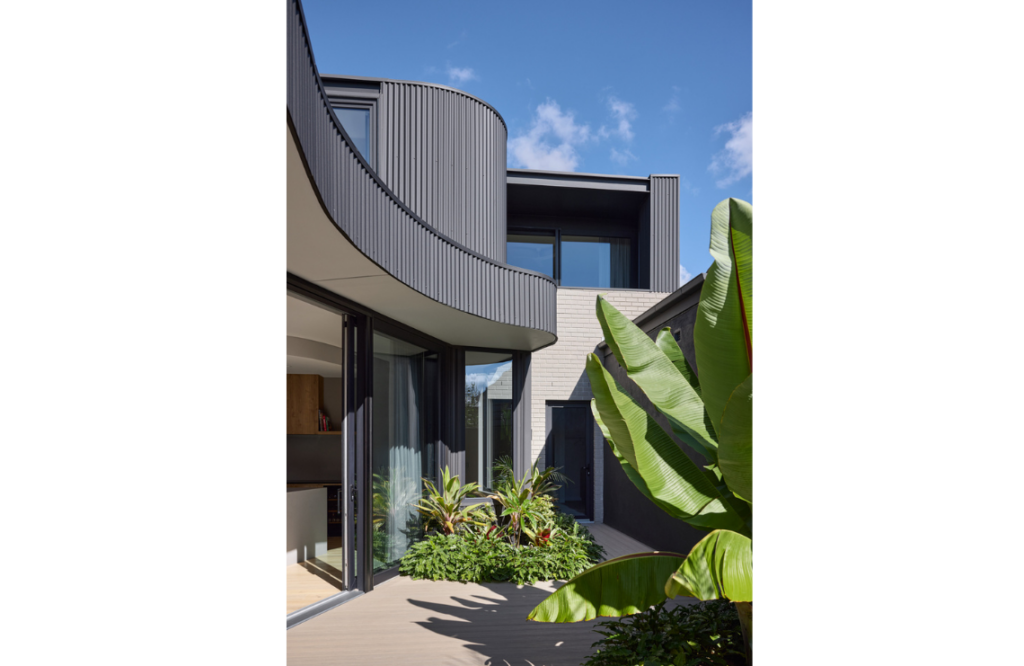
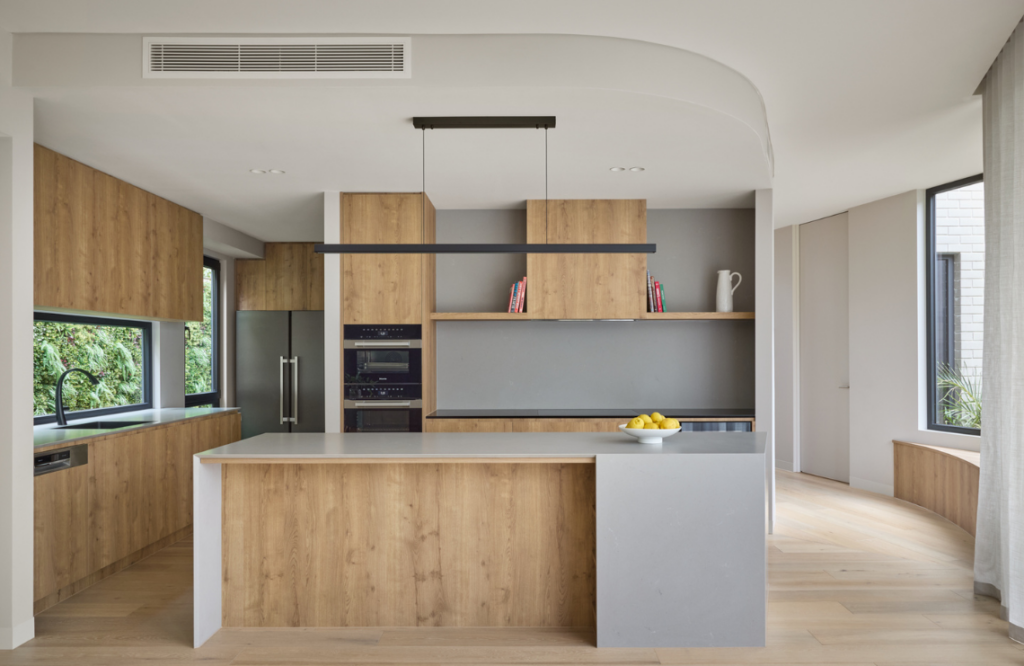
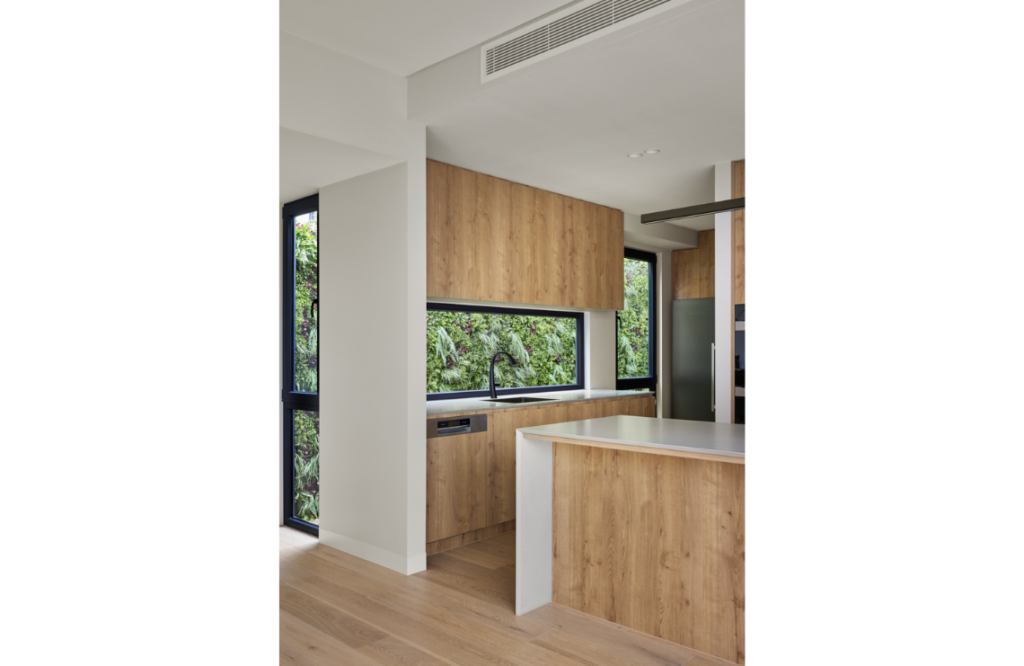
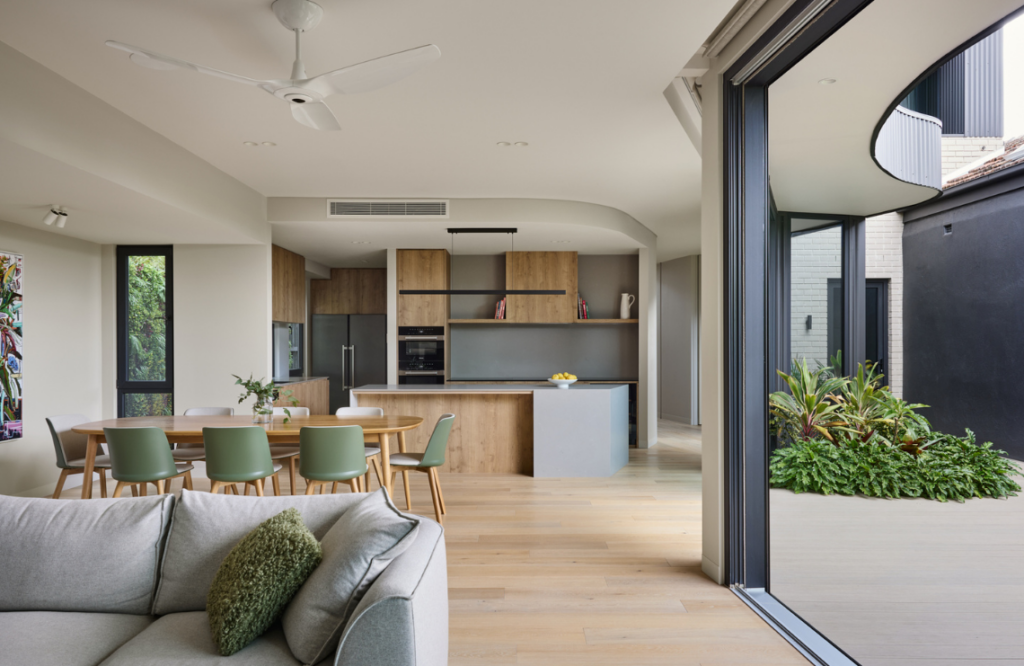
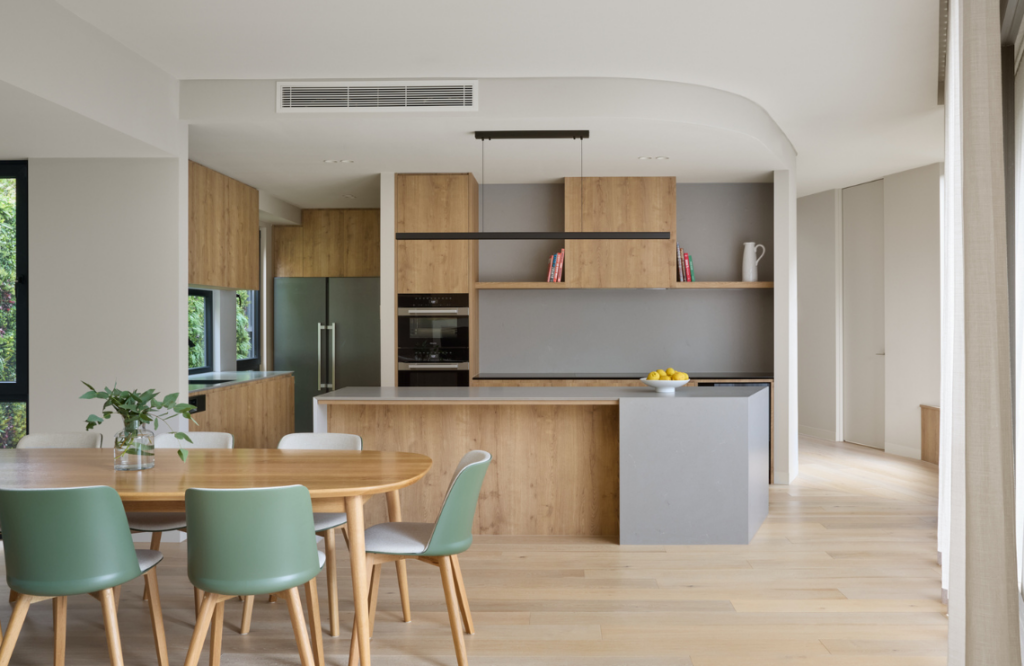
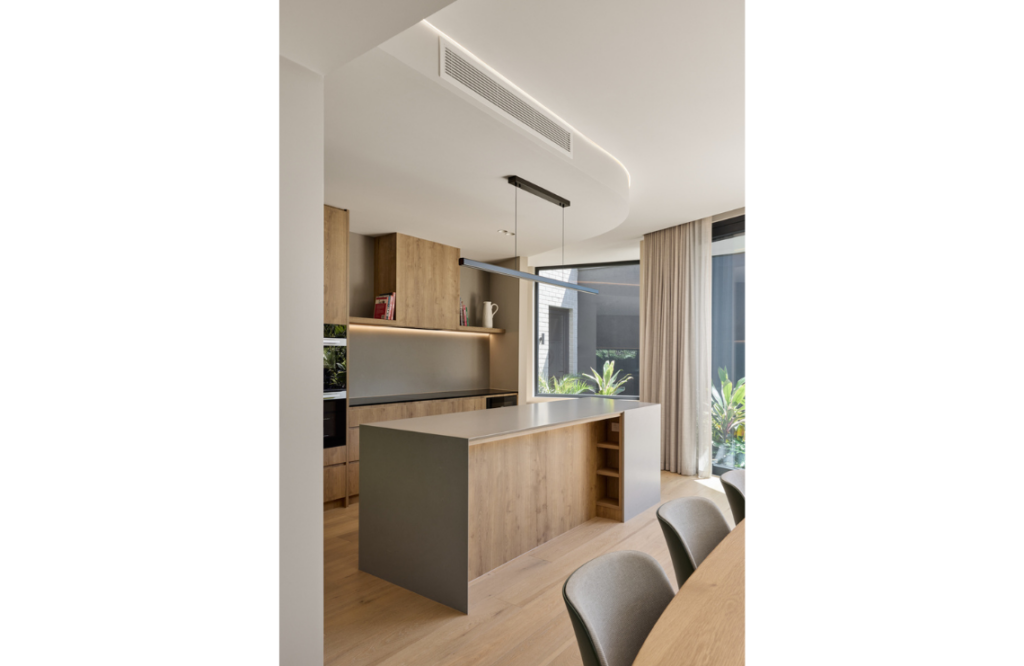
The new-build house has two storeys. The ground floor is made up of a master bedroom and ensuite, study, cloakroom, powder room, laundry, garage and workshop. Open-plan living, kitchen, dining and lounge areas have built-in design flexibility. Upstairs was designed for visiting family from overseas and guests; there are two bedrooms, a well-appointed bathroom and cosy lounge area.
This project ably took on the challenge of site constraints and planning frameworks. “Rather than forcing a conventional design onto an unconventional block, the architecture embraces the irregularity of the site and turns constraint into opportunity,” explains Aaron.
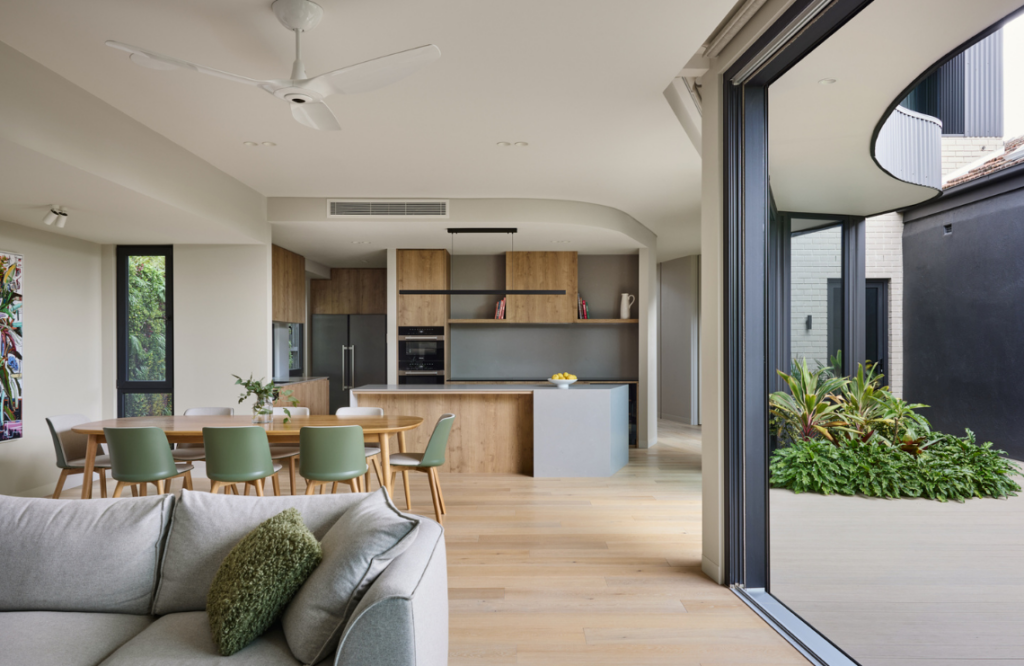
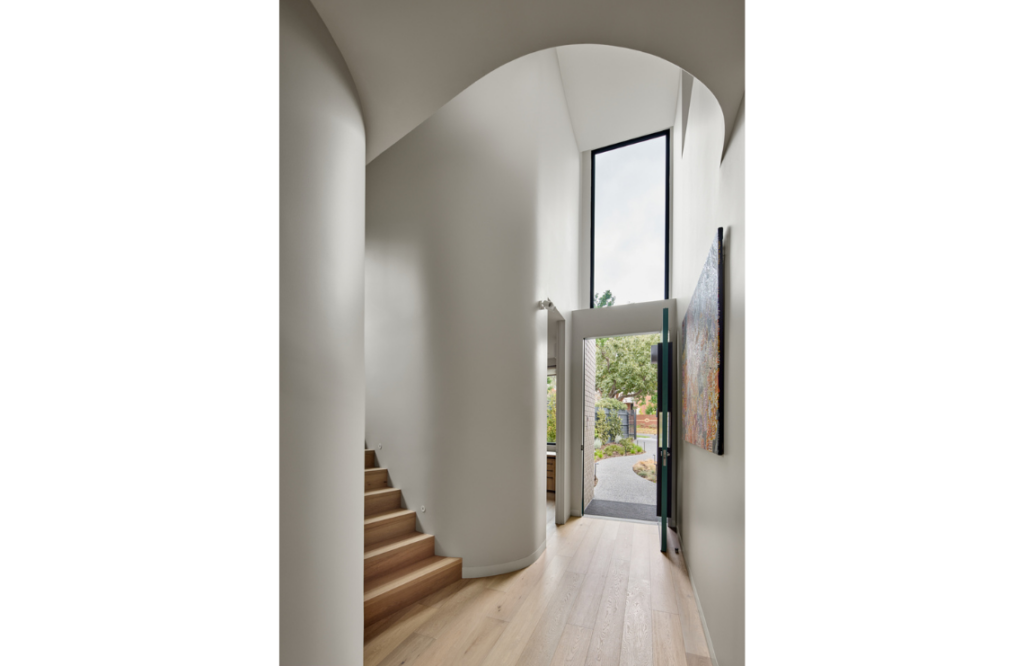
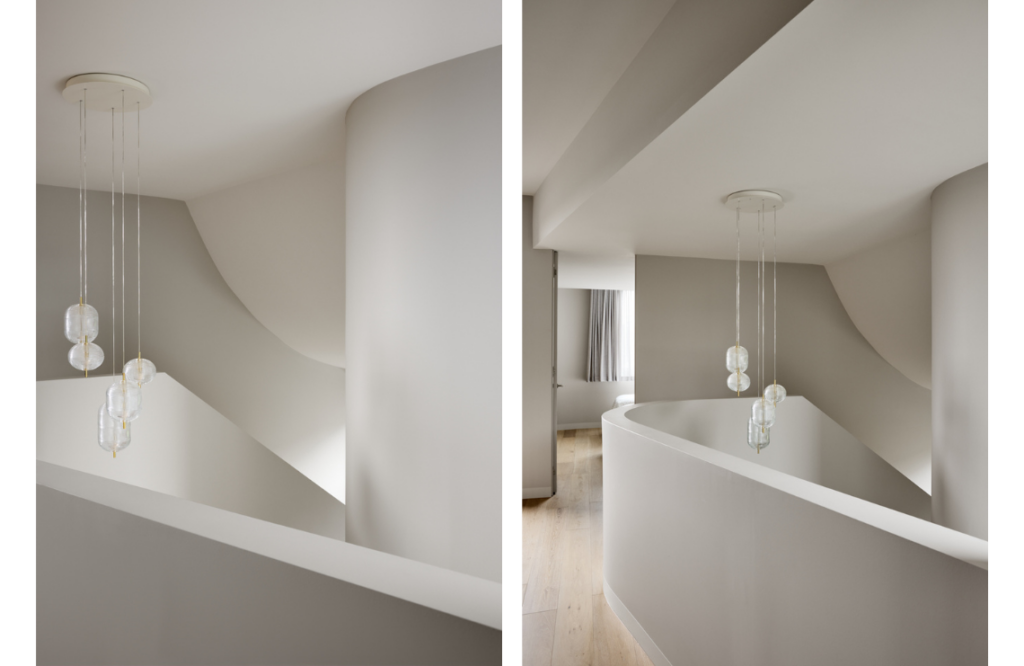
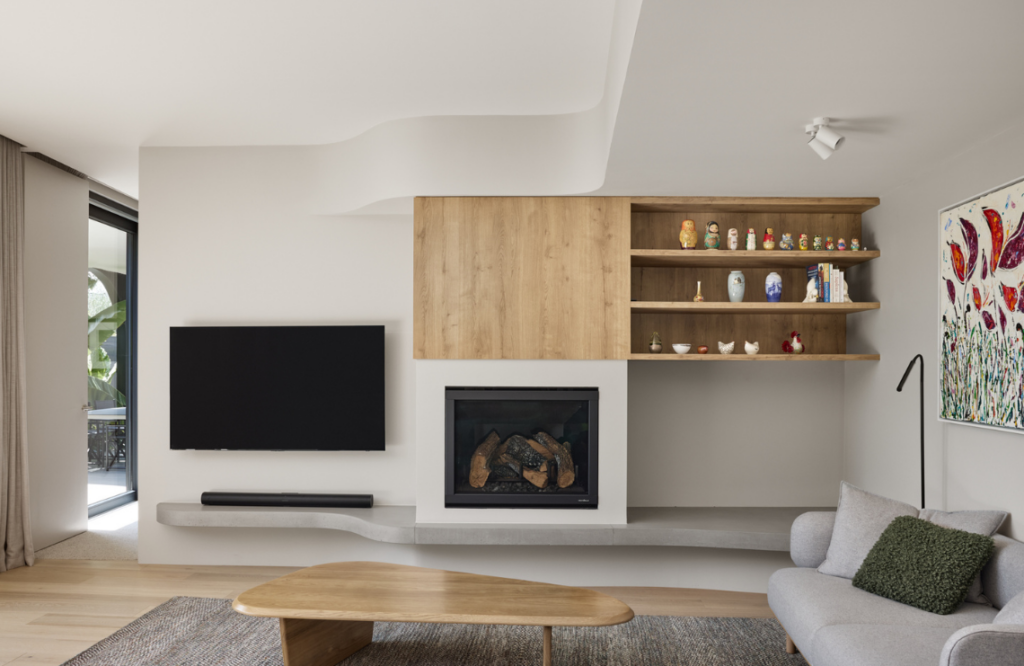
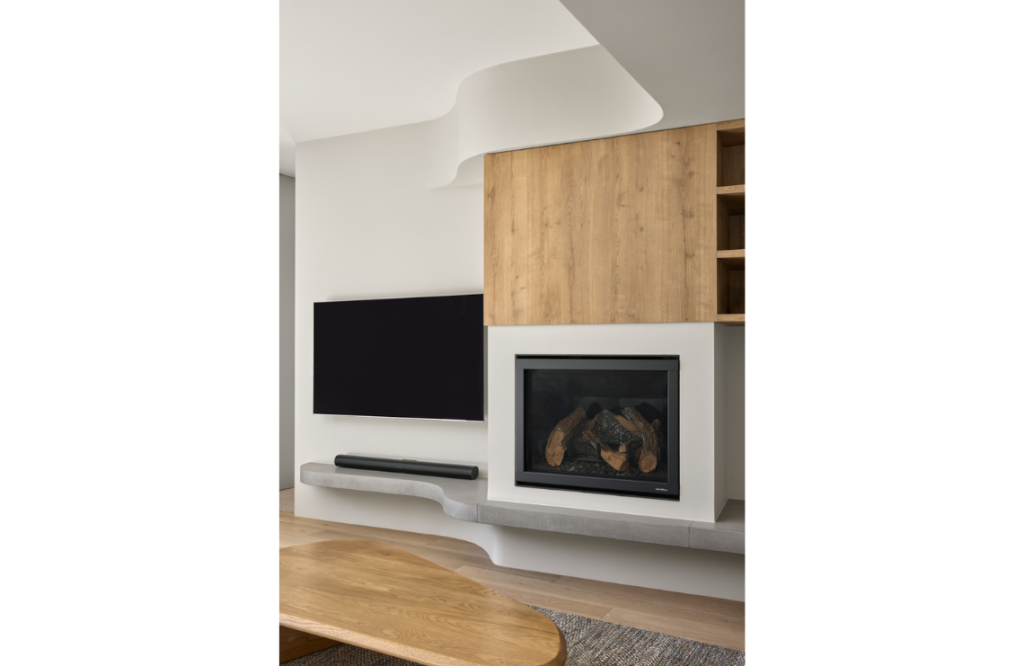
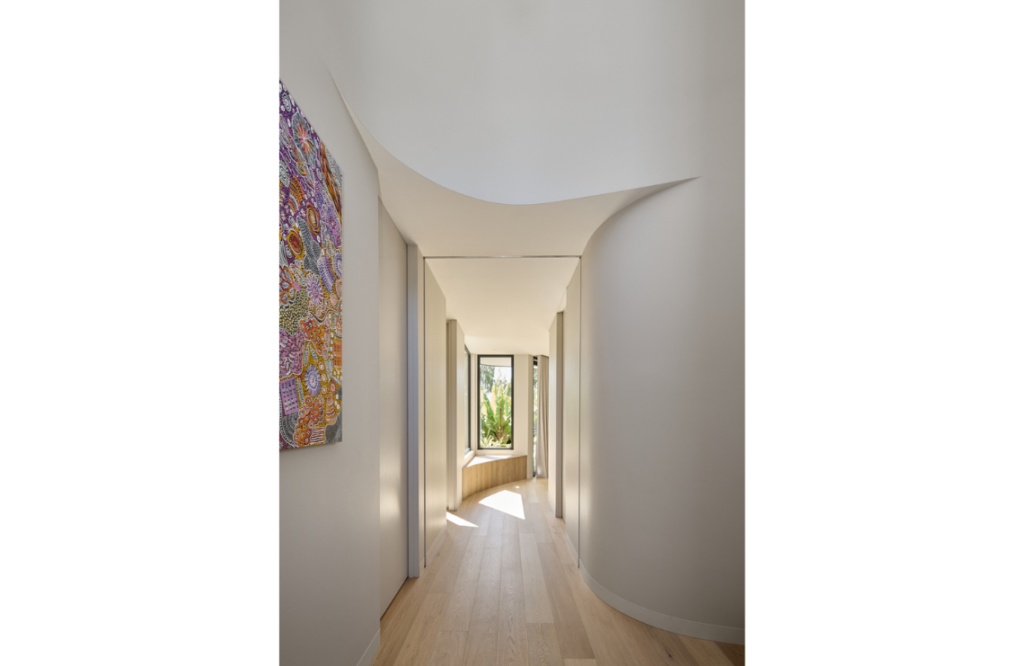
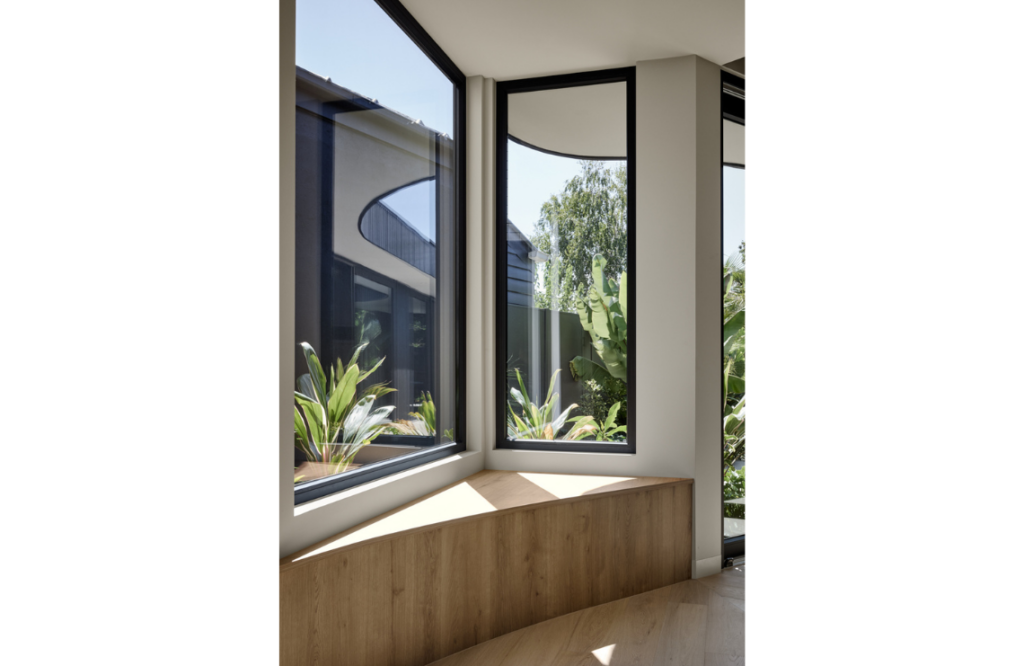
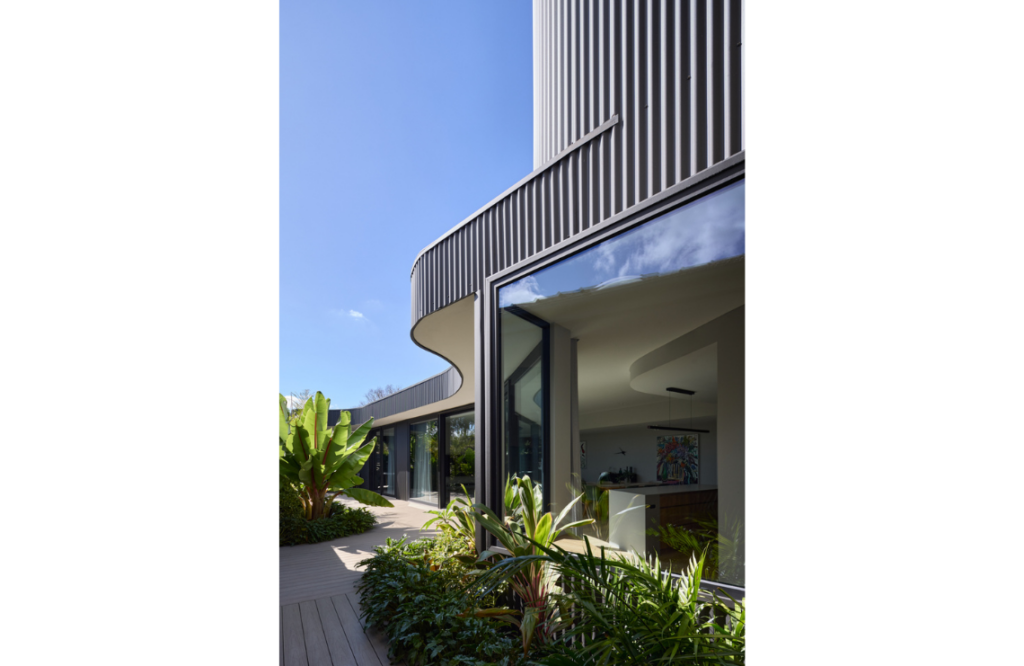
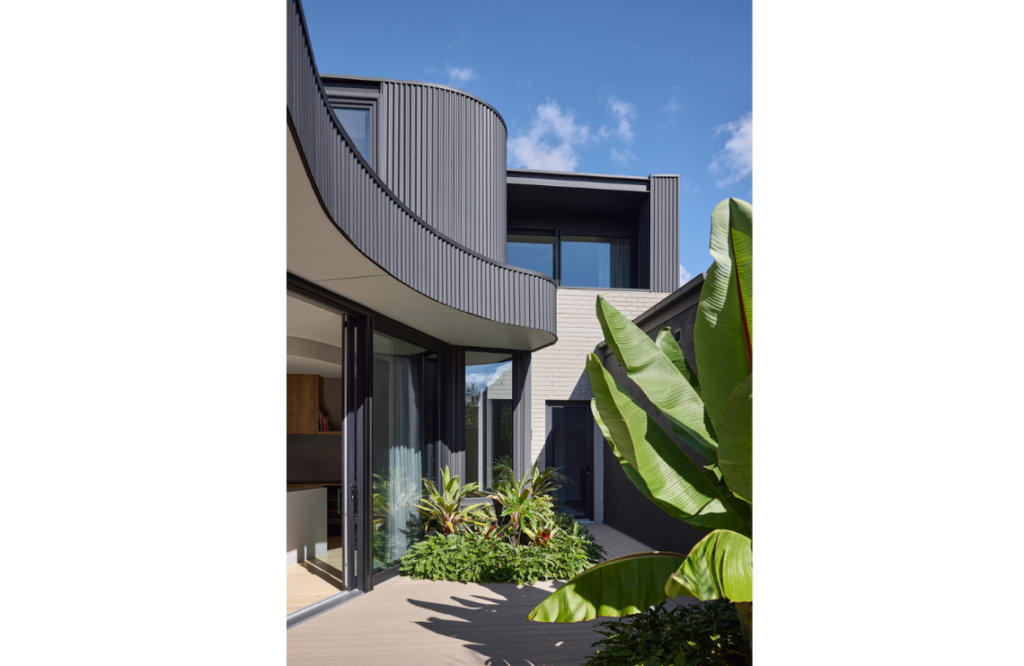
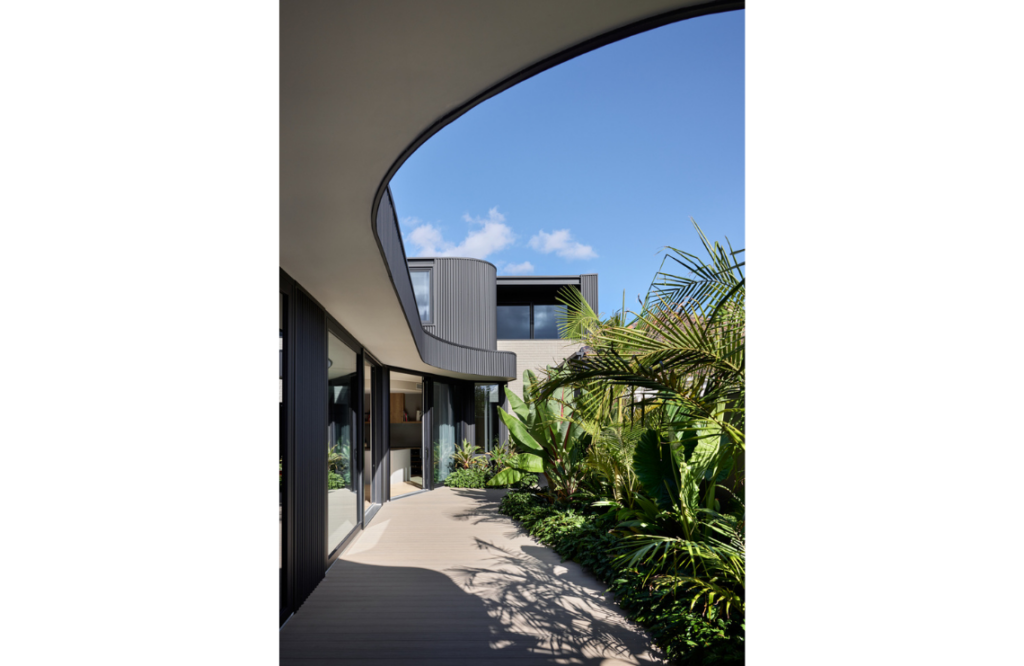
This forever home is a sculpted architectural achievement in inspired design and innovation. The fluid form of the building is referenced in the materiality, long-term living, and also how architecture can connect intrinsically to the natural world. “The home draws on the imagery of ripples in water, expressed through sculptural forms, curved walls, and flowing spatial transitions,” explains Aaron. “These soften edges and dissolve boundaries between inside and out.
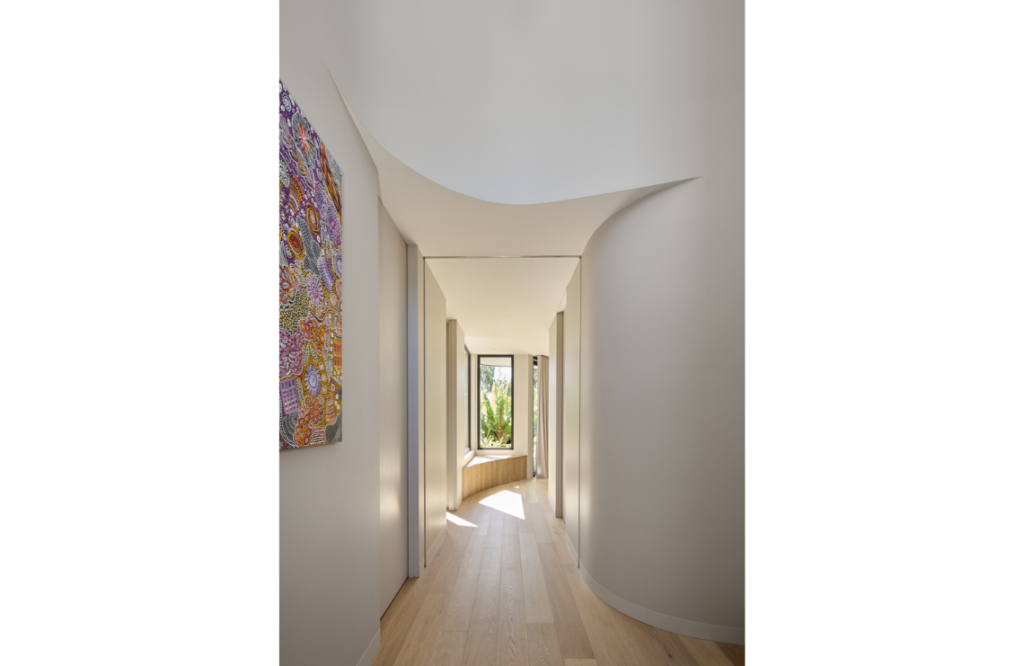
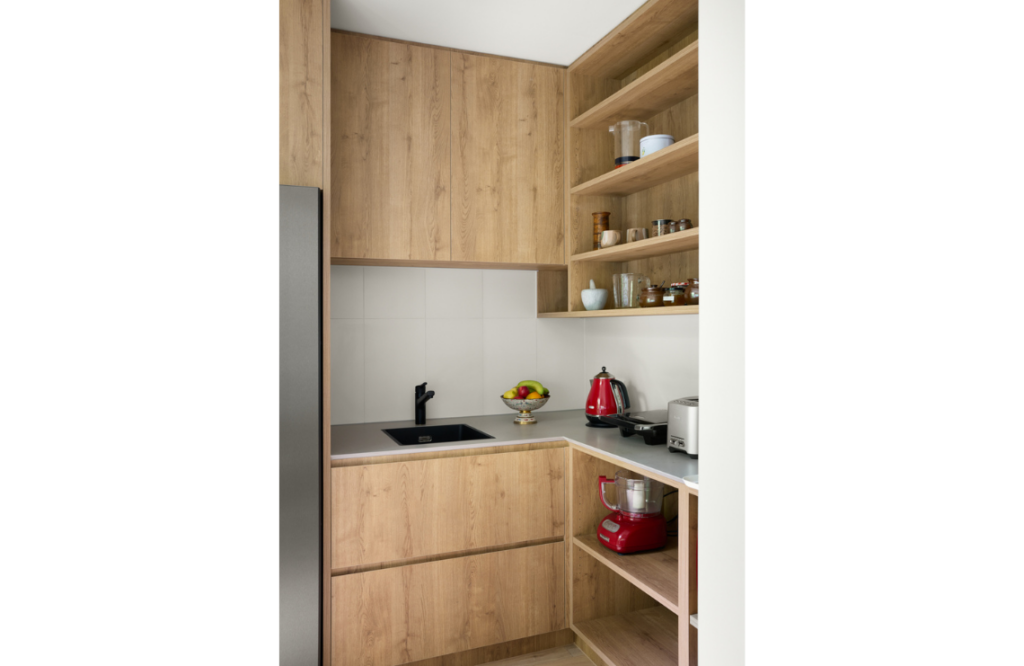
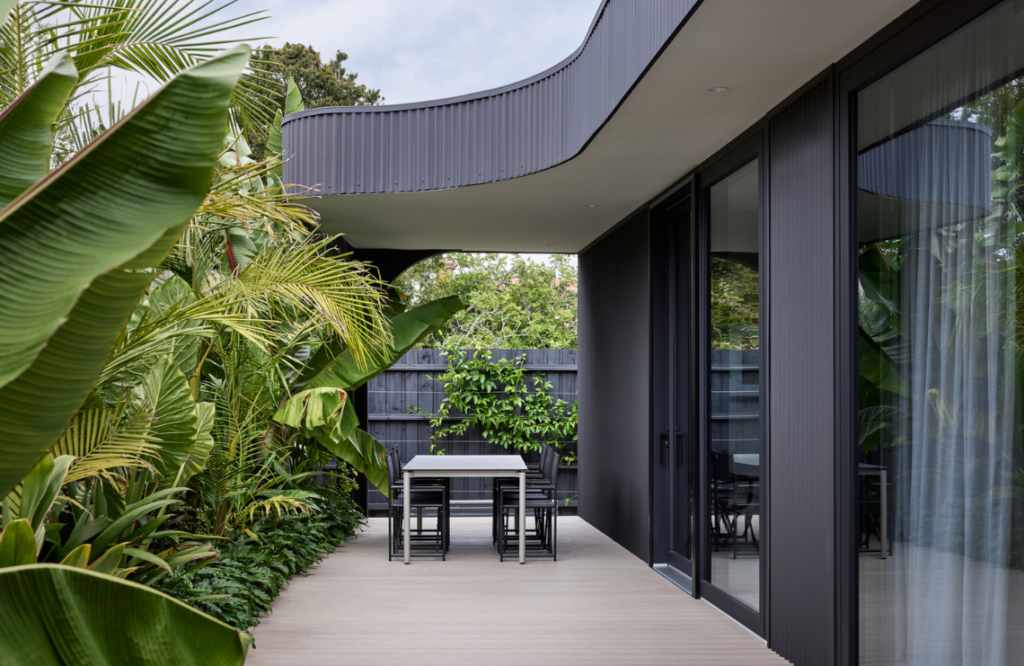
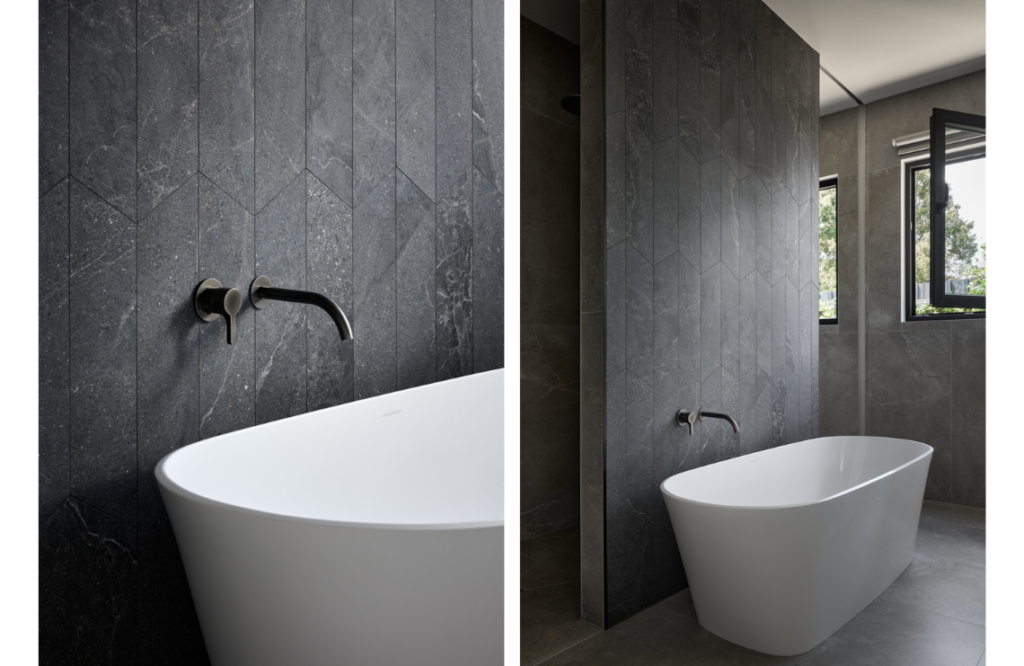
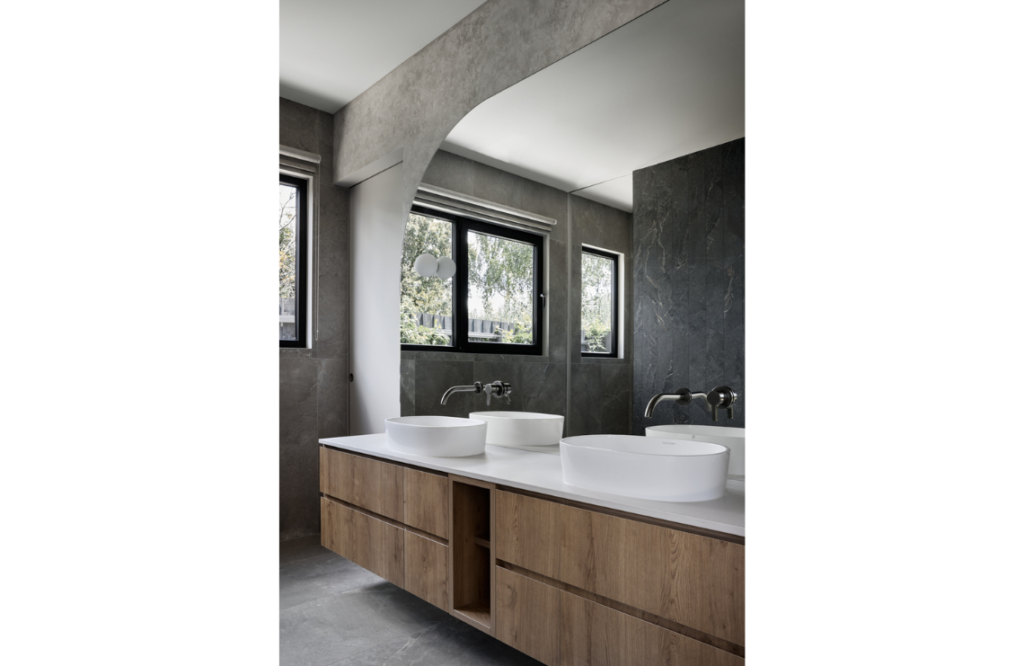
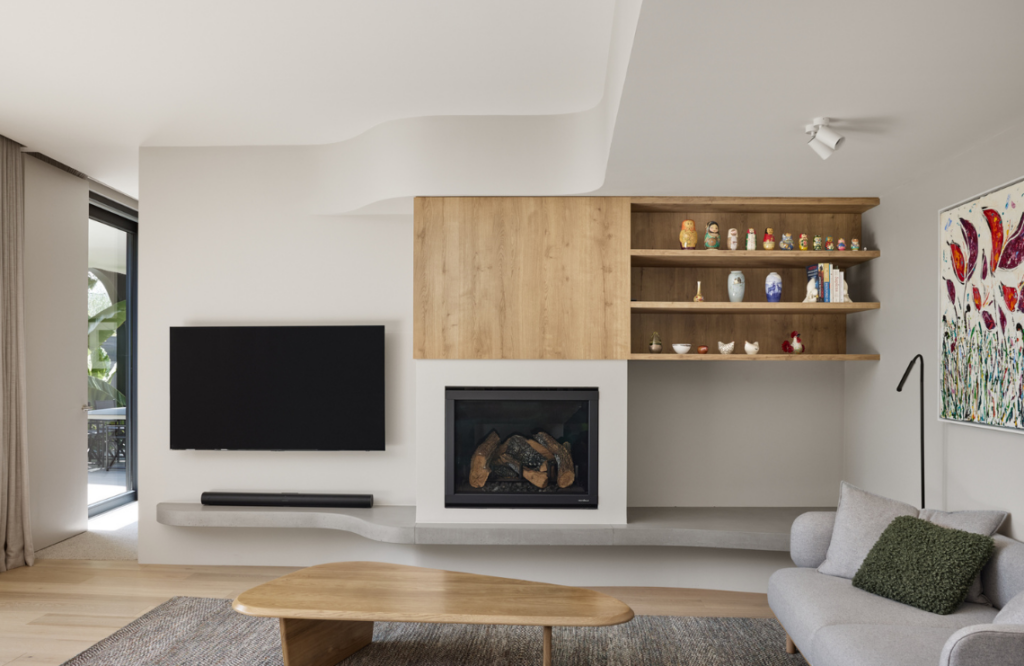
Inside, the sundrenched spaces are cool and calm. The interior palette is soothing and serene, with large-format marble tiles and timber-look laminates. Outdoors boasts a north-facing deck and alfresco space, so the owners can entertain in style. There’s also a tropical garden that introduces a cooling element, and a vegetable garden for sourcing fresh leafy produce.
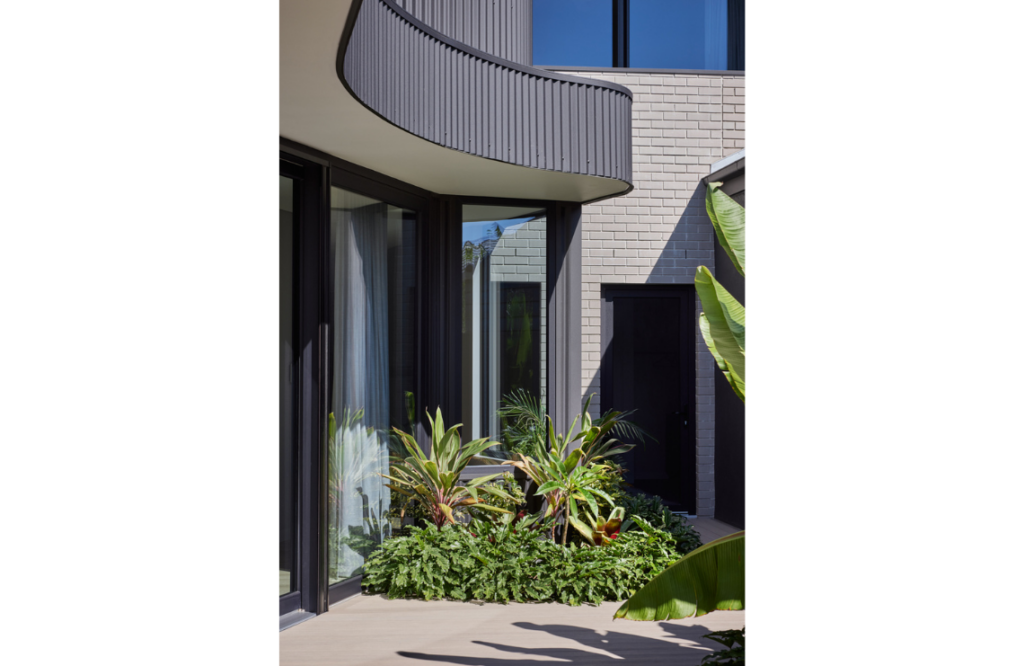
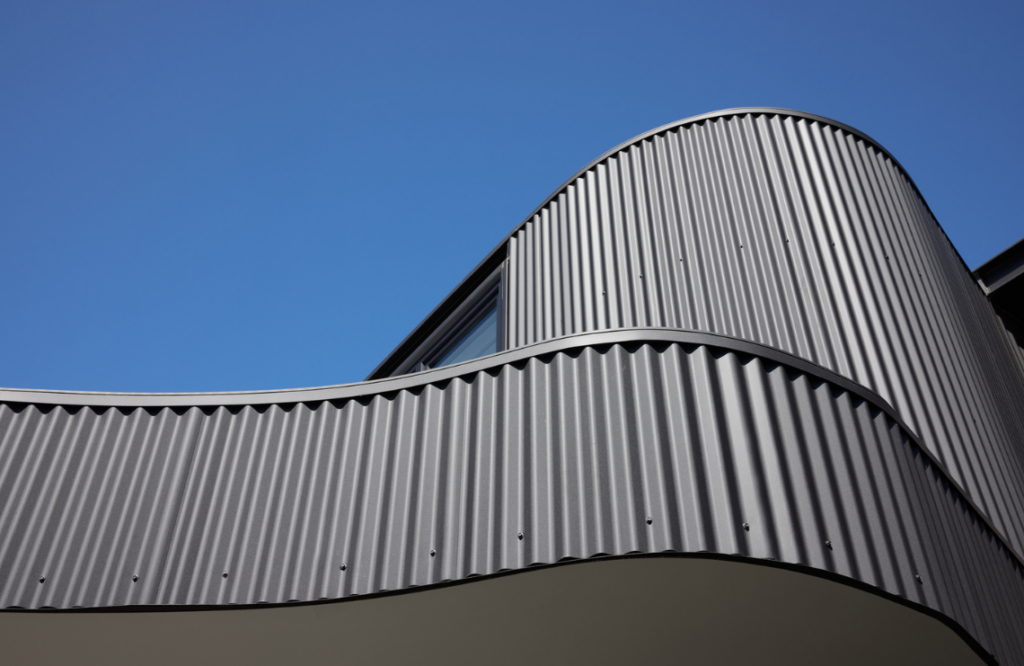
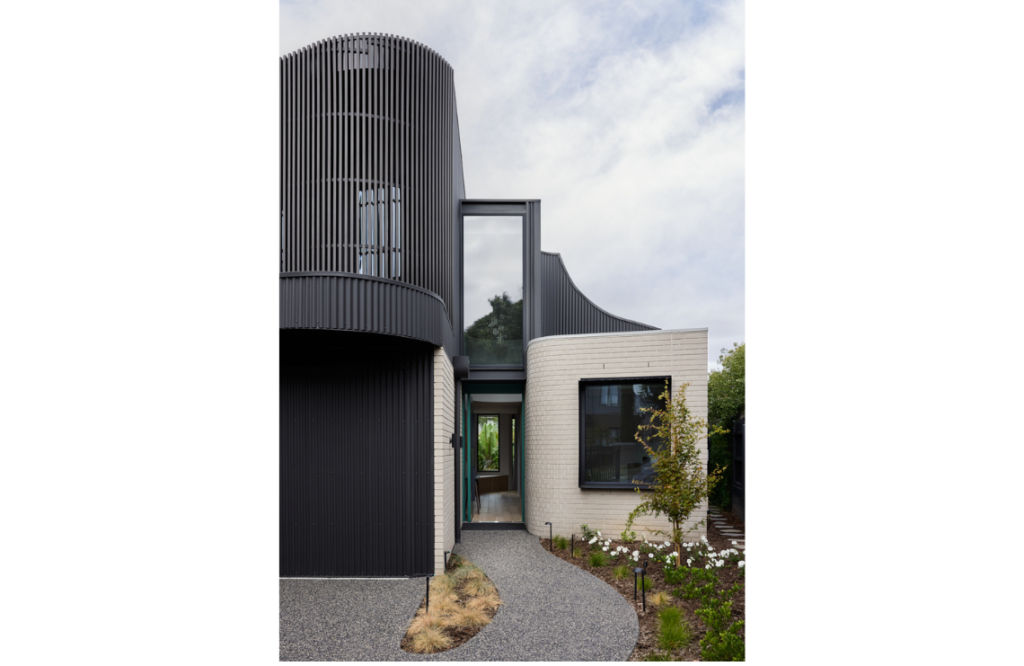
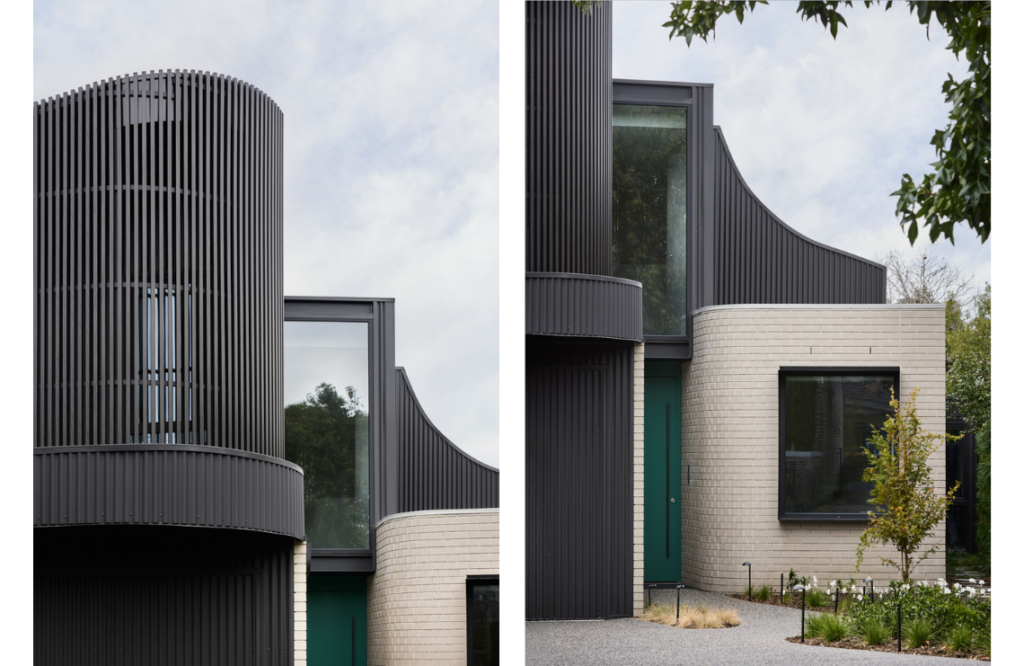
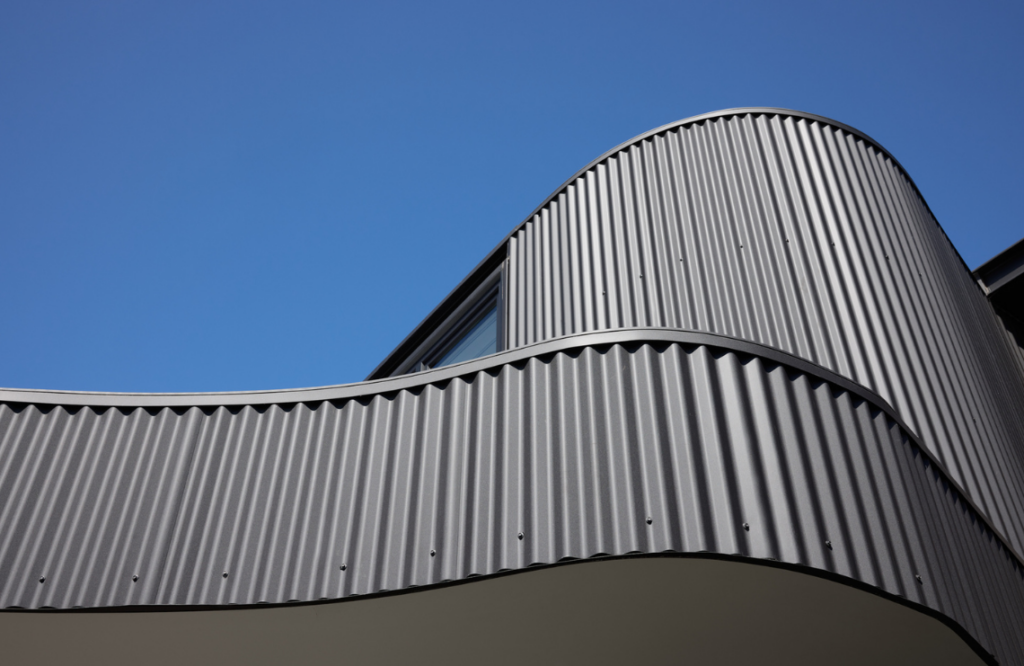
The exterior has a striking presence in its materiality and its modernism. It’s one of the areas where it dares to be different. “A rotated frontage engages with the approach rather than simply facing the street,” notes Aaron. This clever approach and arrival sequence is what defines its character. “As you move toward the house, the interplay between form and material immediately captures attention,” he says. “Dark vertical fins and rippled metal cladding wrap the upper level, creating a bold contrast with the light, grounded brick base.”
On the upper level, corrugated steel offers robust form and visual movement in the interplay of light and shadow as the sun tracks across the sky. Aluminium batten screening offers privacy. Sustainable design strategies include a north-facing courtyard, deep eaves where needed, minimal south-facing glazing, double-glazed UPVC systems and more.
Aaron says he had worked with Kieren the builder on many projects; they had a strong collaborative working relationship. Owner Steve grew up in the neighbourhood and went to school with the builder. “That added a layer of trust and open communication from the beginning, and helped streamline the construction process,” notes Aaron.
He says this project is indeed unique because it challenges the conventional constraints in uniform planning regulations. “Ripple is more than a home — it’s a bold statement on the future of urban housing,” says Aaron. On that note, innovative Ripple House really does hit the sweet spot.