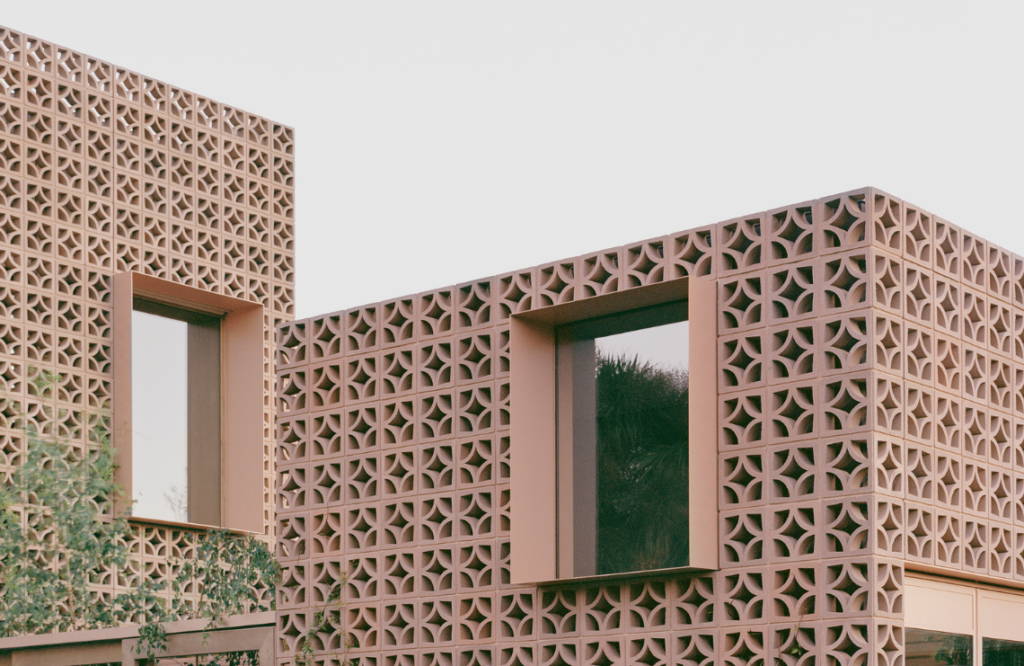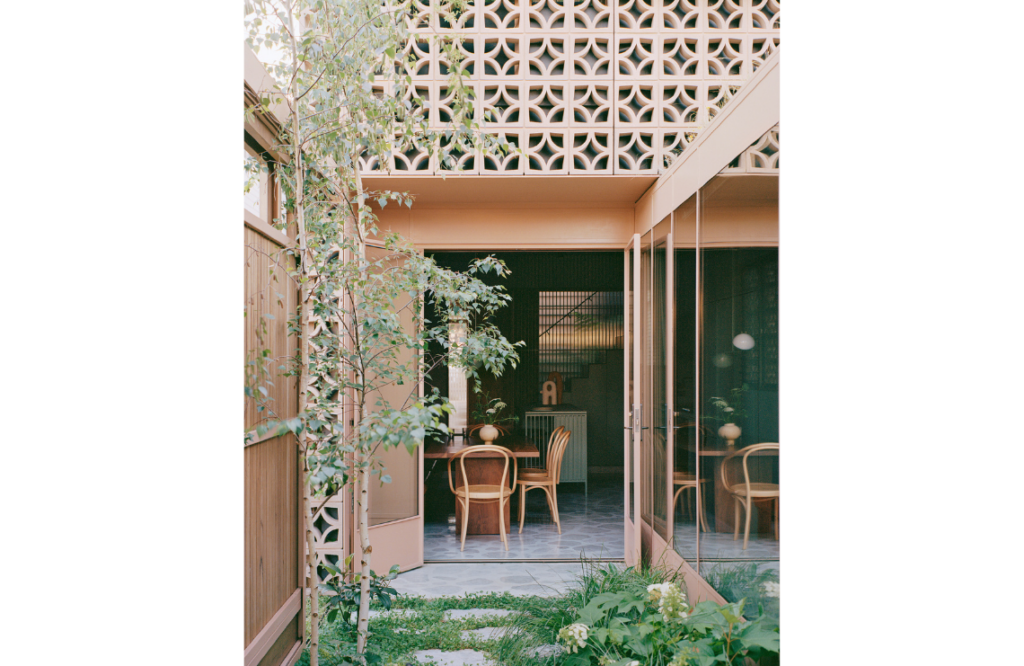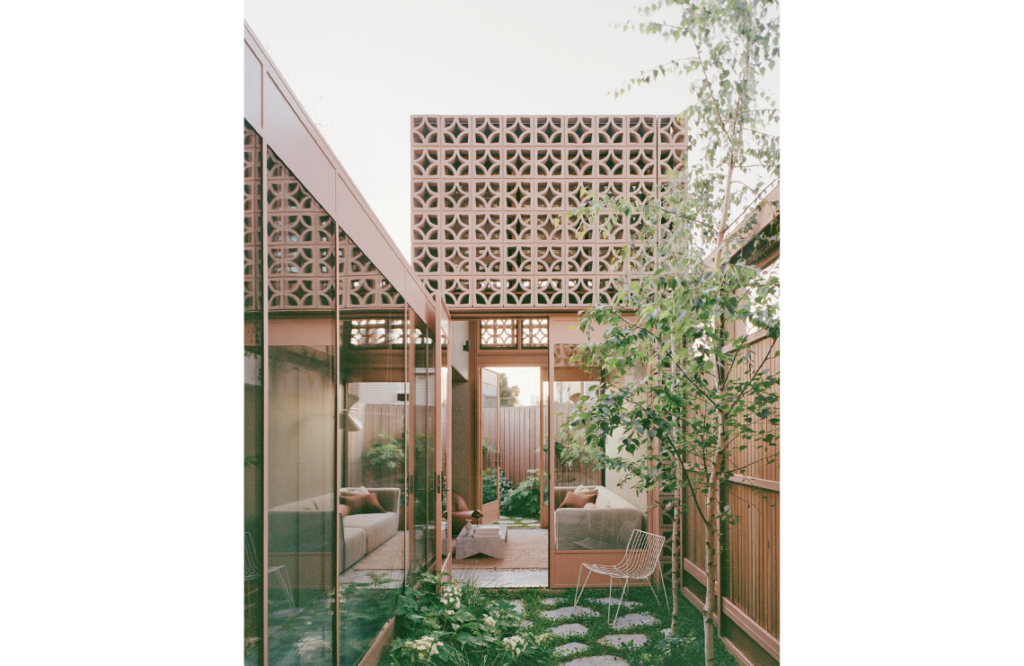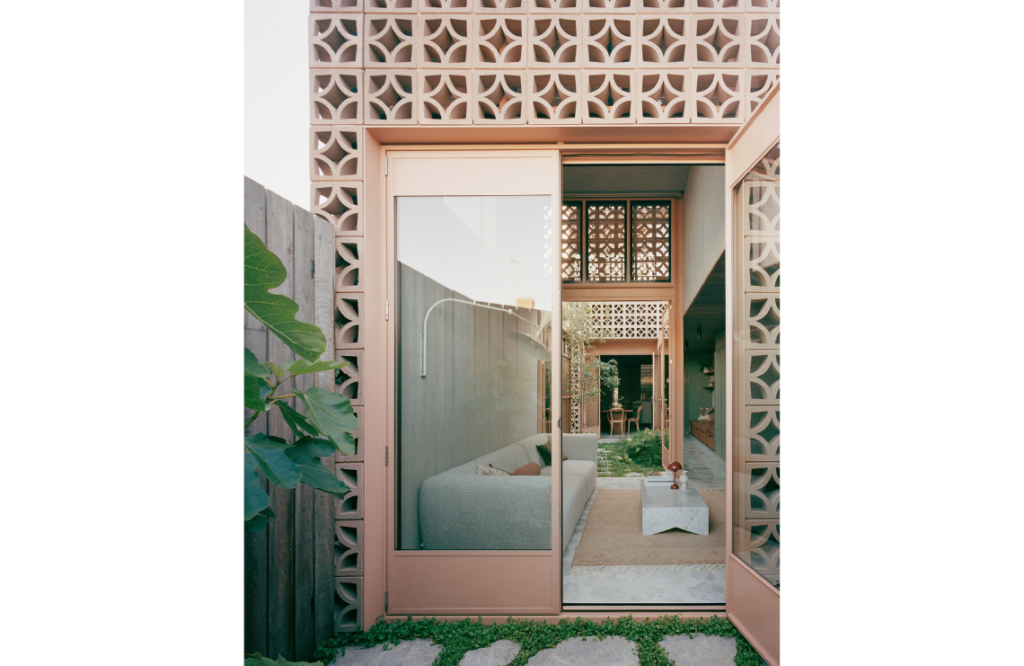

A light-filled family home by Studio Bright extension clad in subtle blush breezeblock forms a delightful urban haven for those who live there.
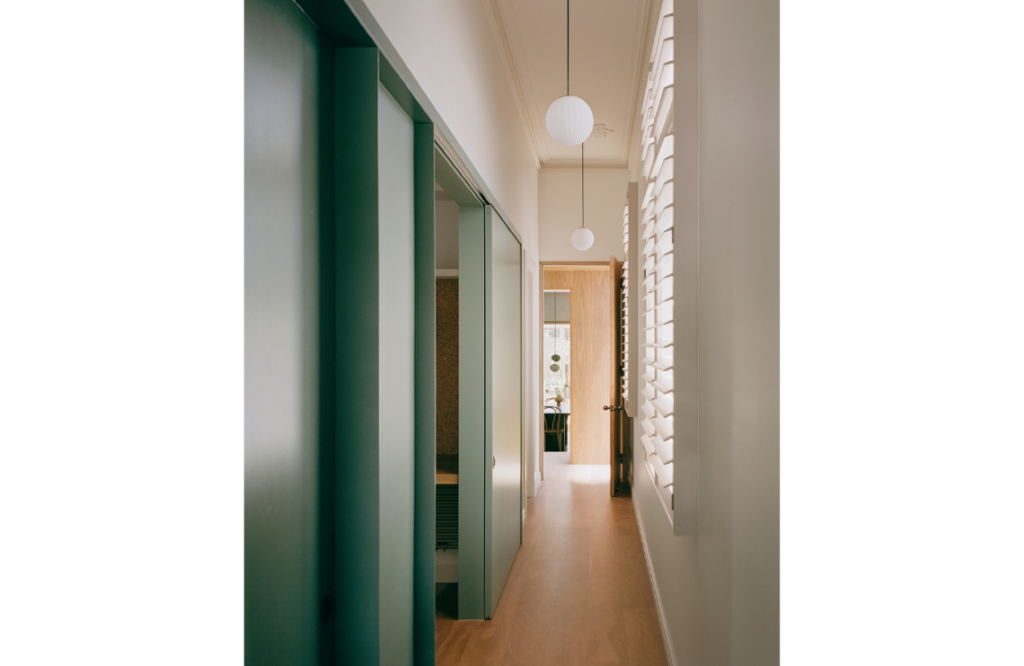
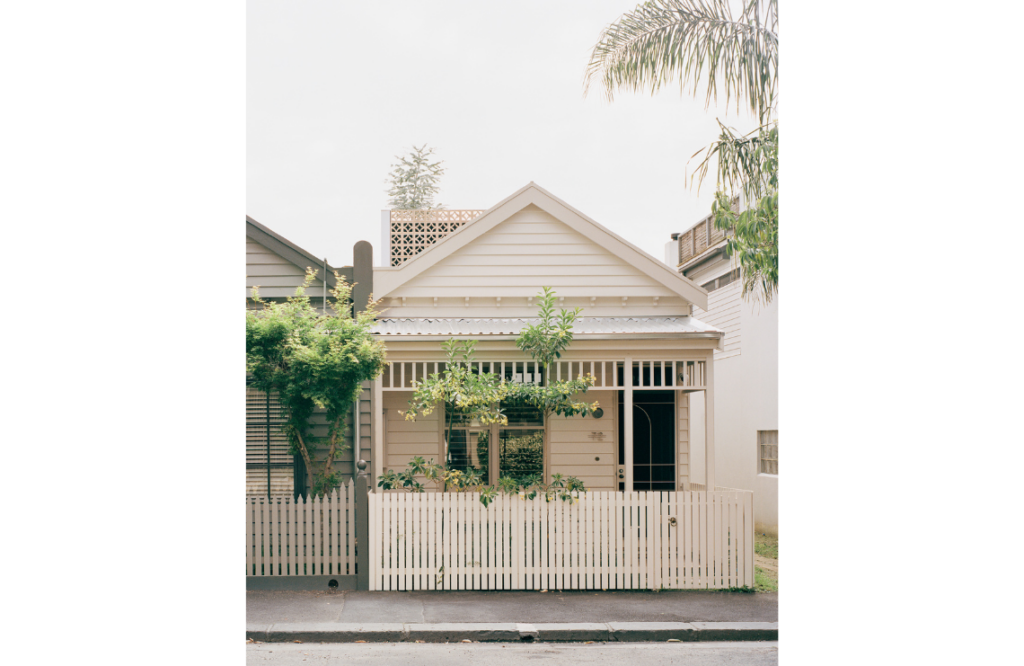
The existing workers’ cottage was in much need of major repair and refurbishment. In the 1980s the period detailing had been stripped out, and as part of the project it was restored. The brief was to deliver a family home on a 4.2m-wide site. Melissa Bright, director of Studio Bright, decided the only way was up. “With a full house brief and no space, the need to build hard on boundaries, and to project the plan upwards, was a challenging necessity,” notes Melissa.
Melissa describes Garden Tower House as an alterations and additions project. “It’s inherently sustainable in its ambition to transform a dilapidated existing building into a family home built to last,” she says. Multifunctional spaces offer design flexibility. For example, a study room offers workspace but is also a spare bedroom, reading nook or retreat. “Spaces are small but always aim for delight,” Melissa shares.
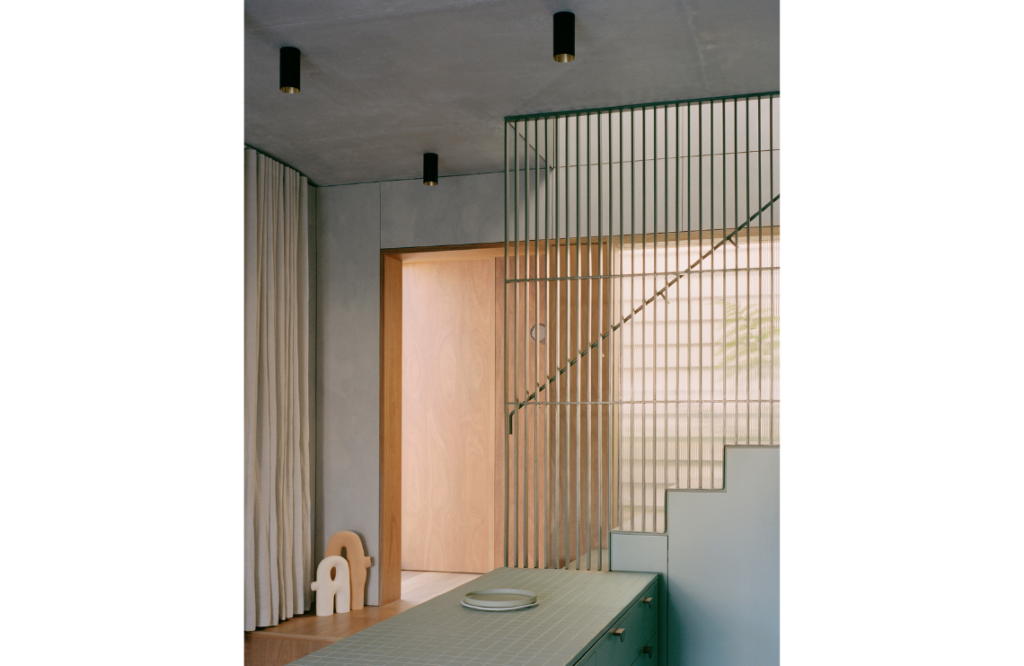
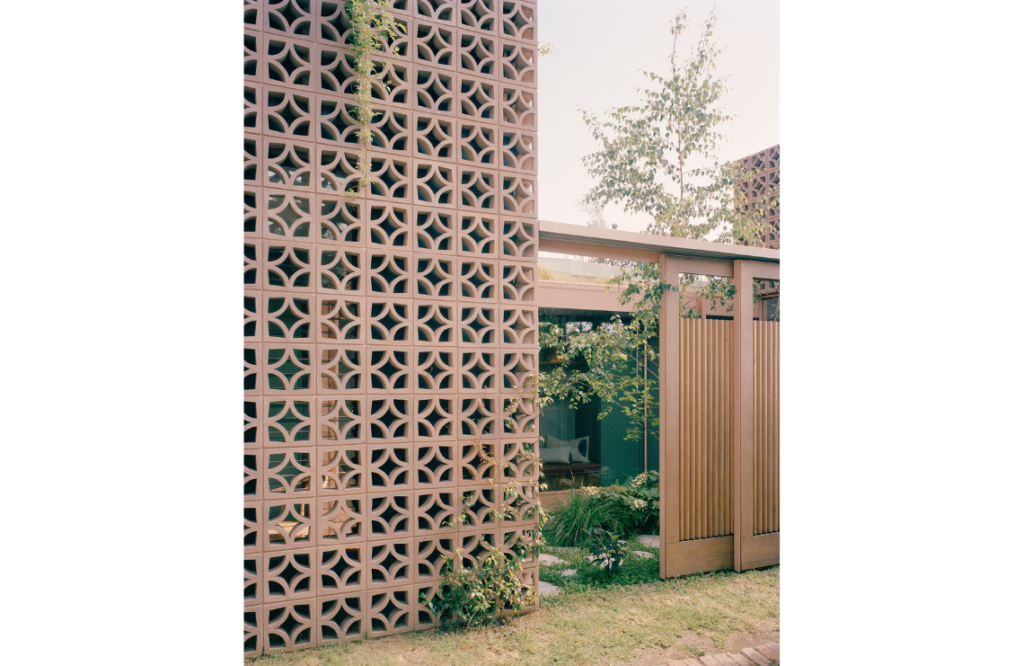
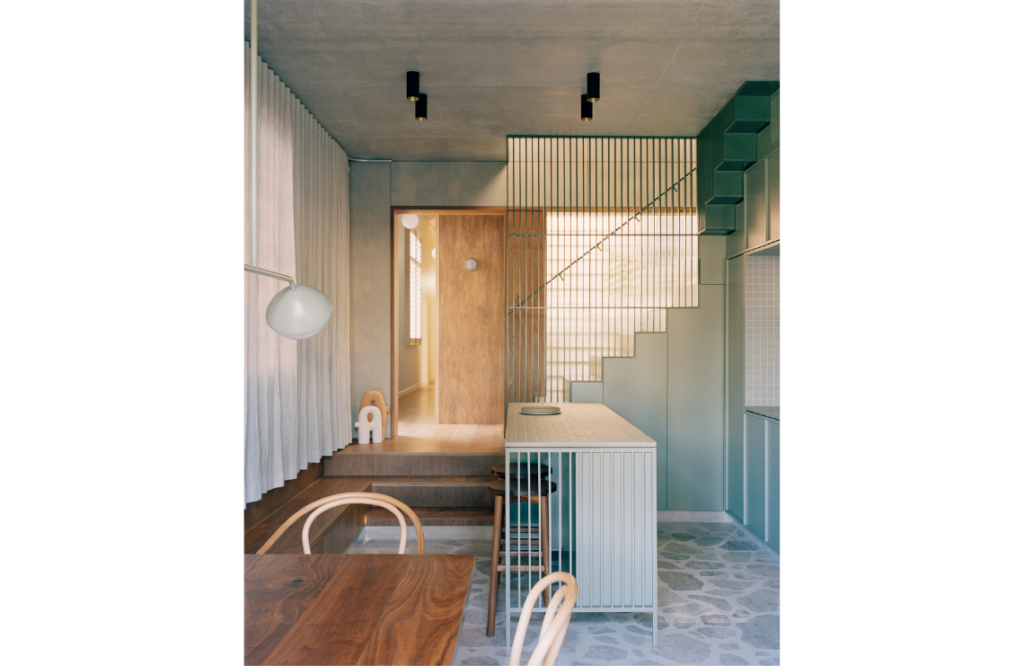
Indeed, they do. This project is a visual feast of tactile, warm spaces that connect to the outdoors with design flair. Where possible, and with a little ingenuity, additional space was made available. “The adjoining laneway is seconded into a garden area with a sliding fence panel that borrows lateral space from the public realm,” says Melissa.
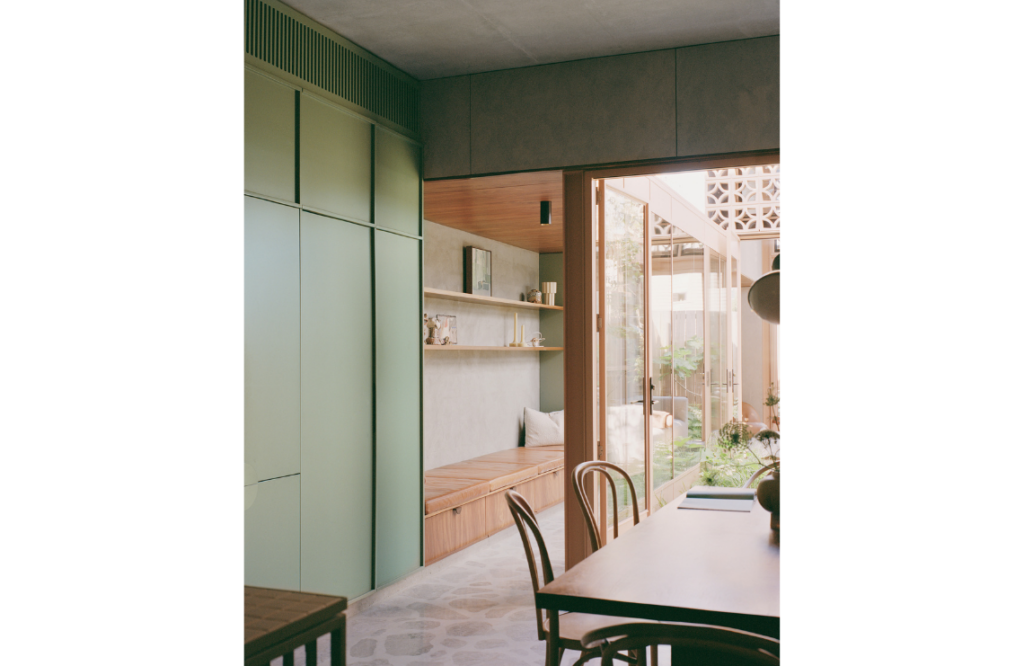
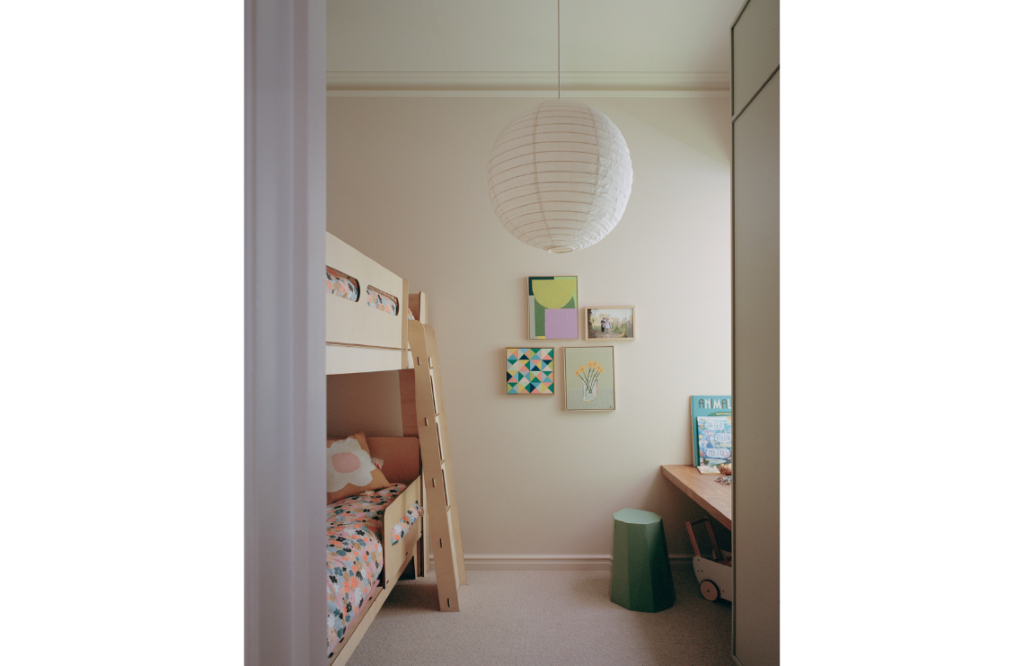
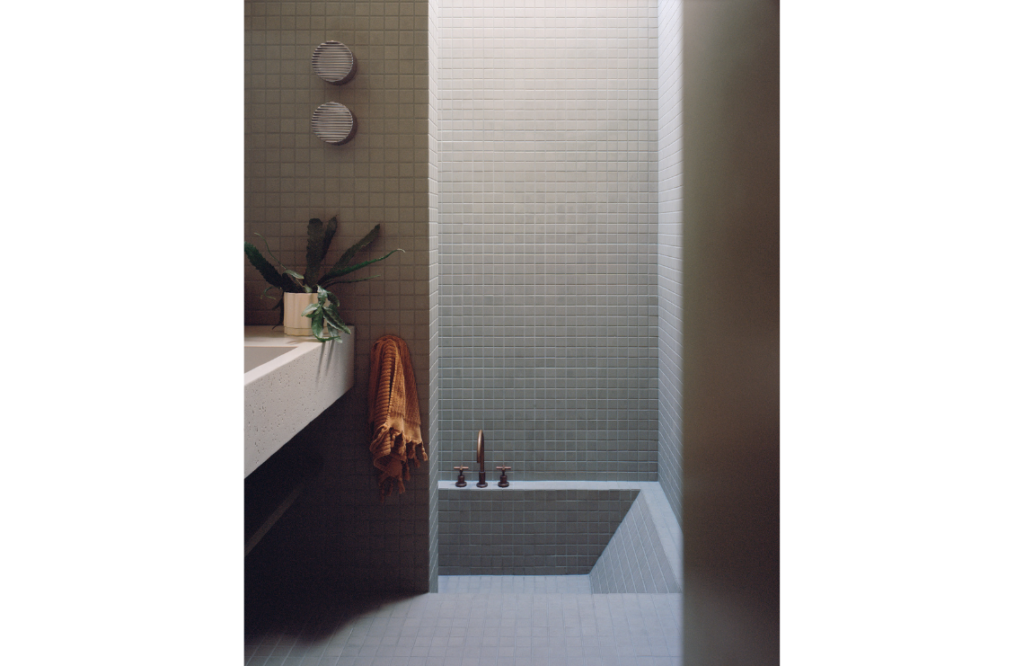
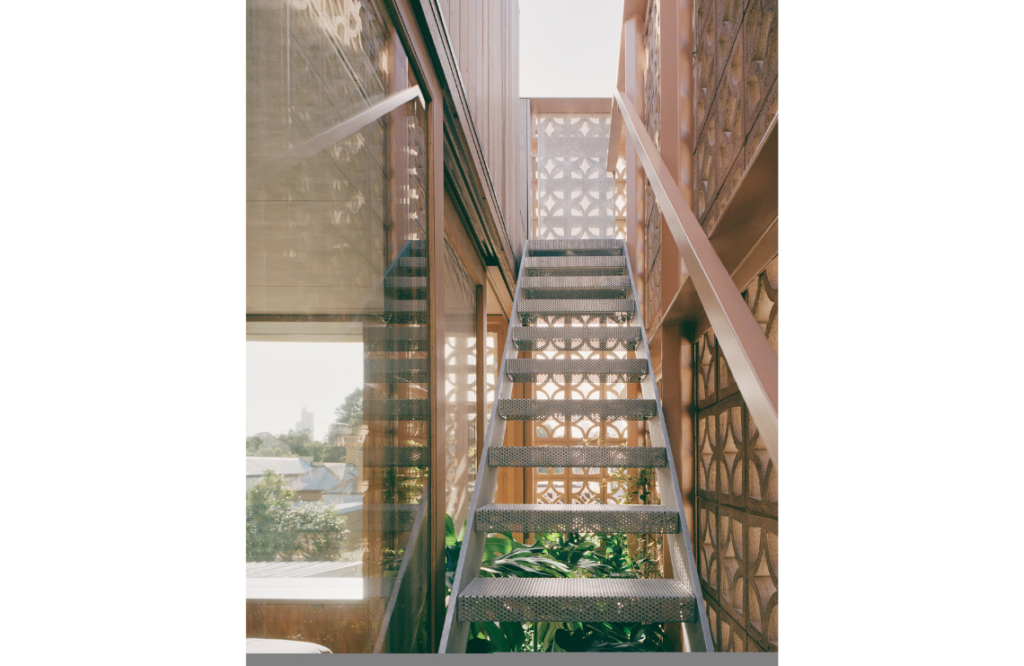
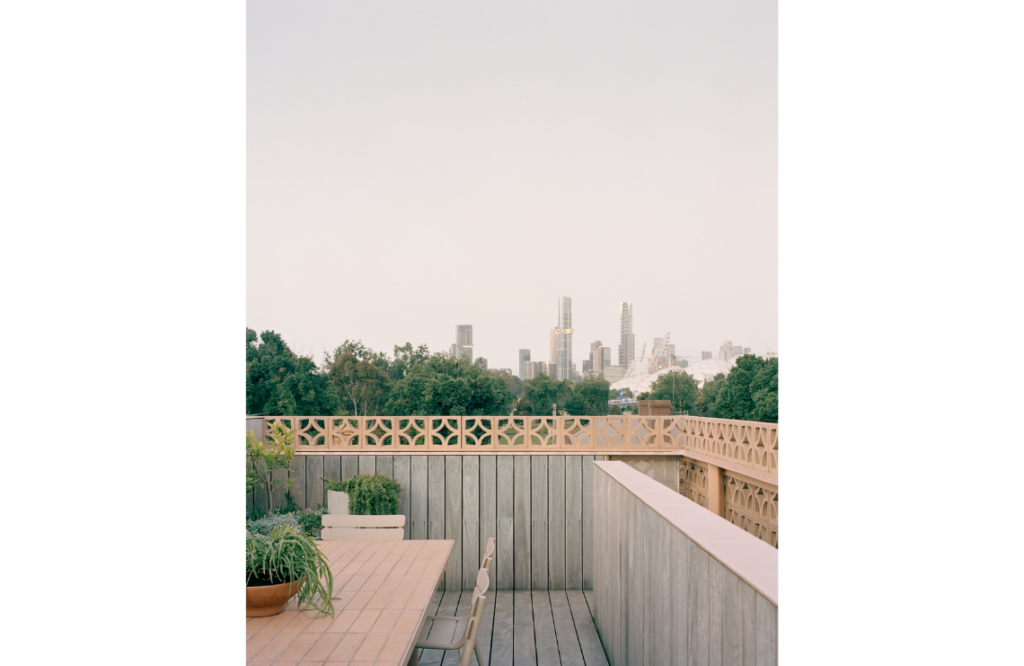
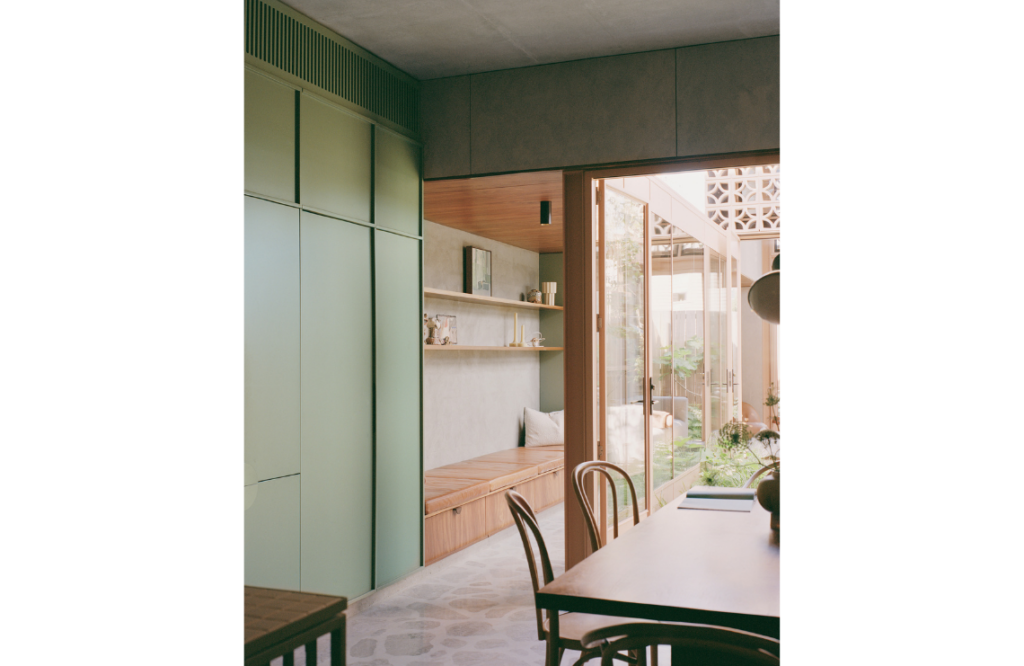
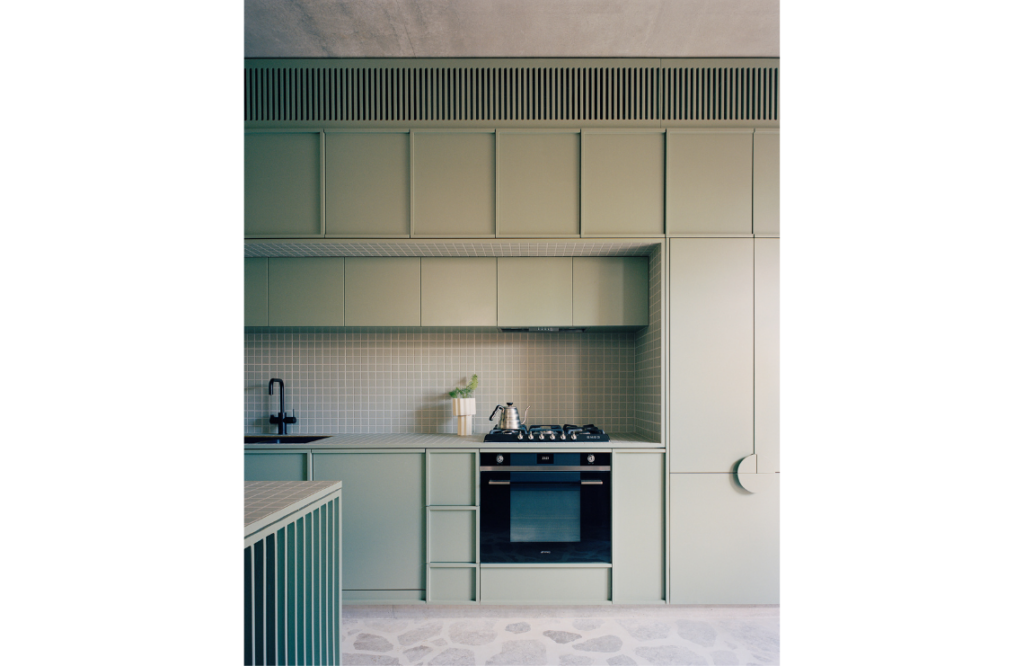
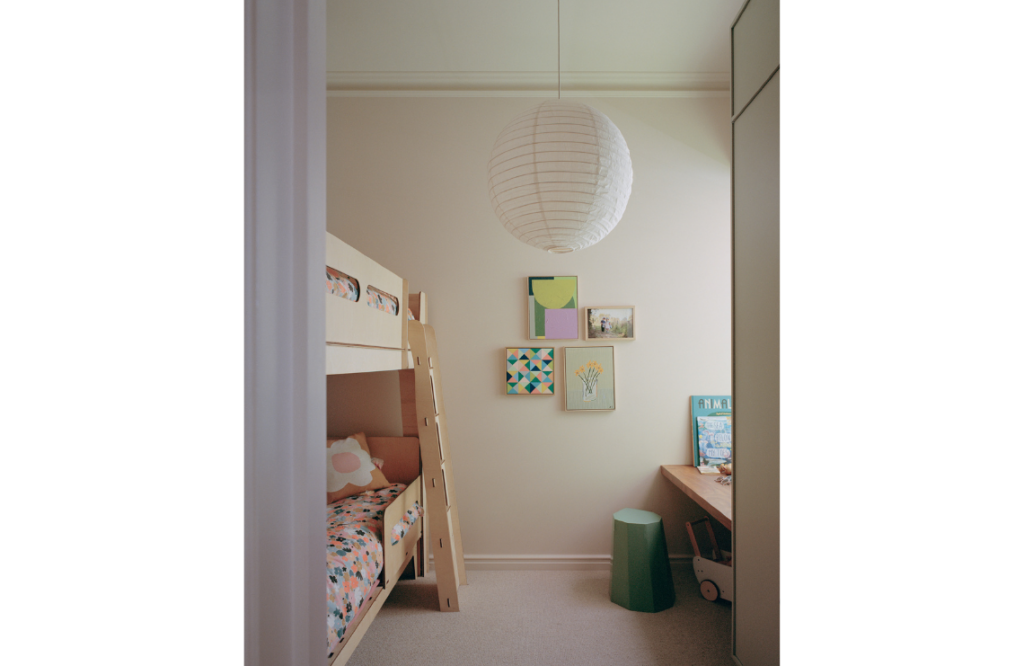
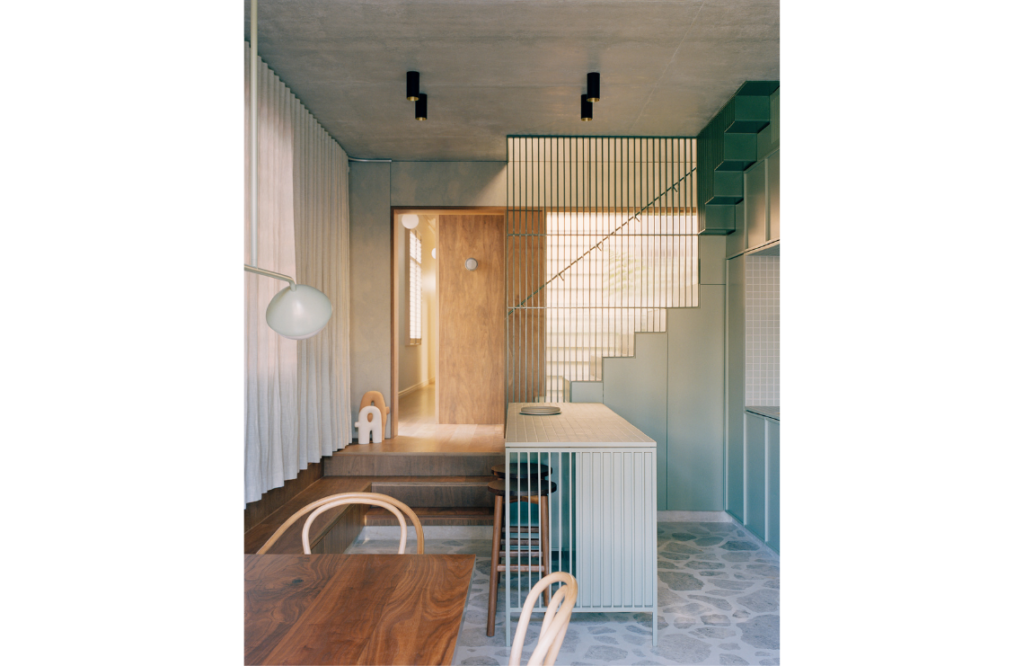
This abode is a family home to Ernie the dog and his four humans, a family with two young children. There’s room to roam and run, spaces to explore and play, spaces to relax and retreat to. There are three bedrooms, the main with an ensuite, family bathroom, study, kitchen and dining, and lounge. There’s also the leafy middle courtyard, rear courtyard, daybed link, rooftop deck and shed.
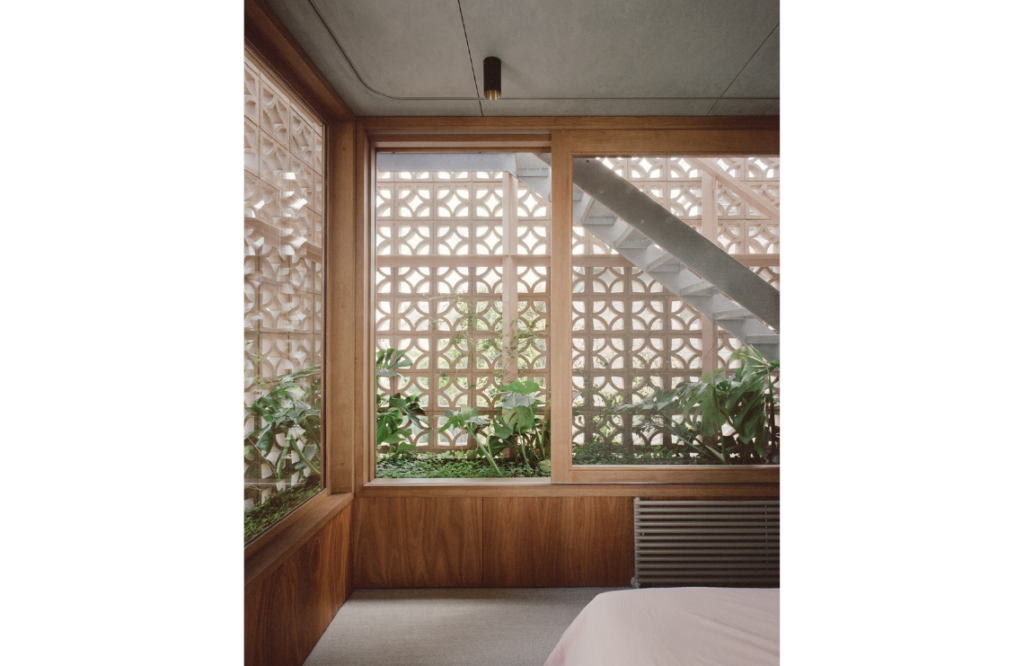
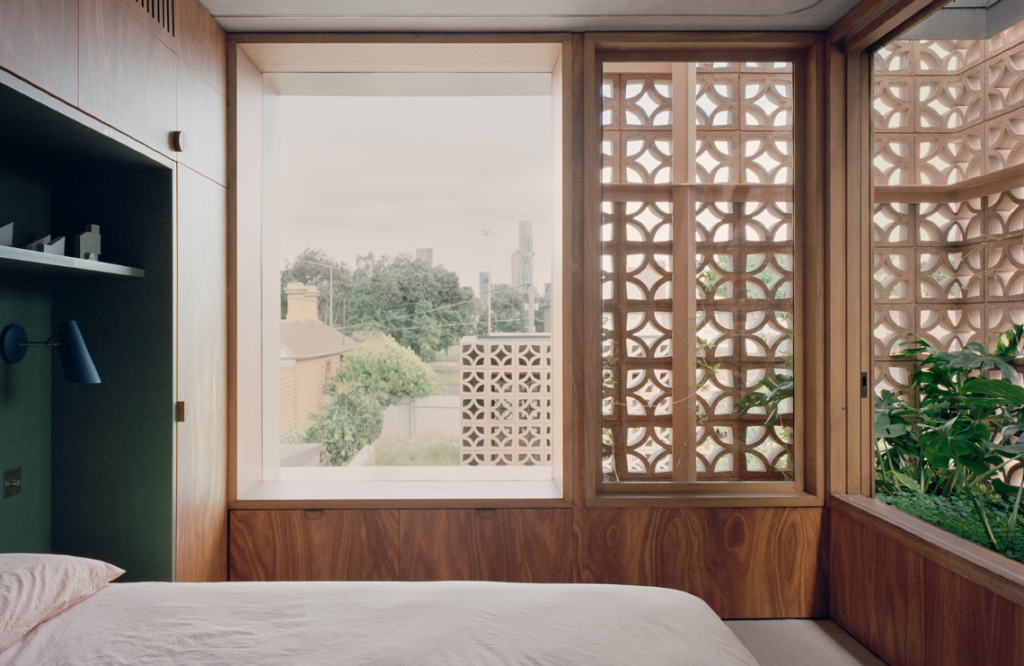
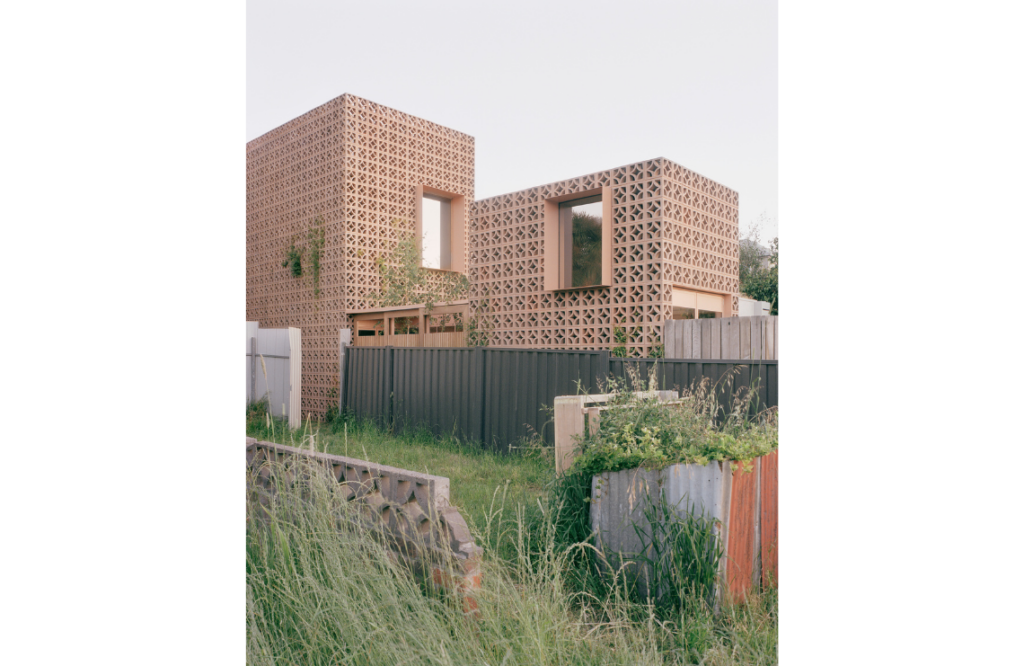
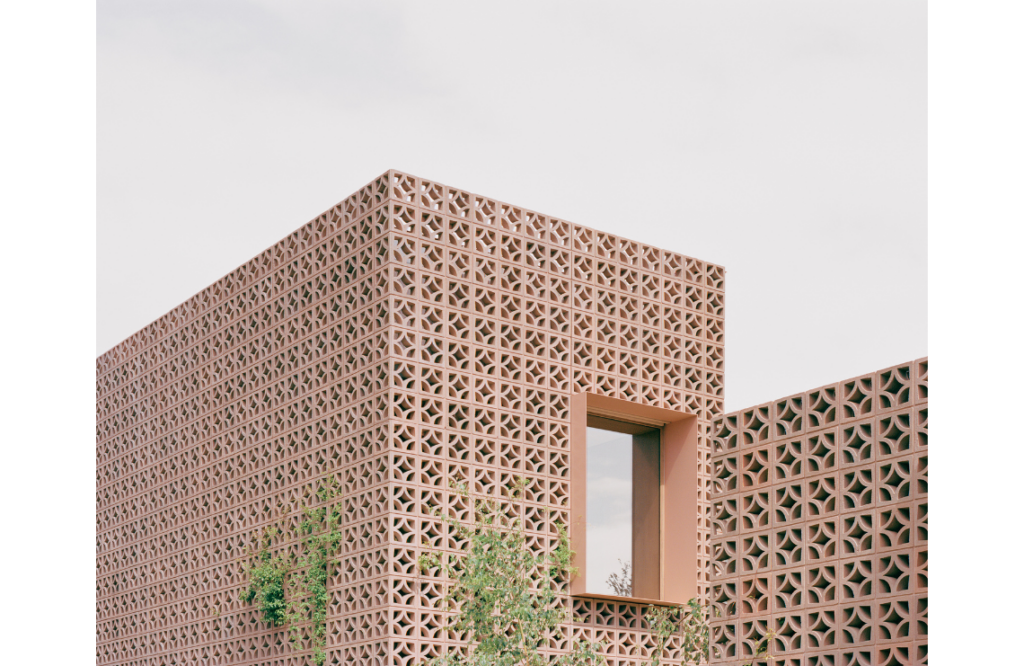
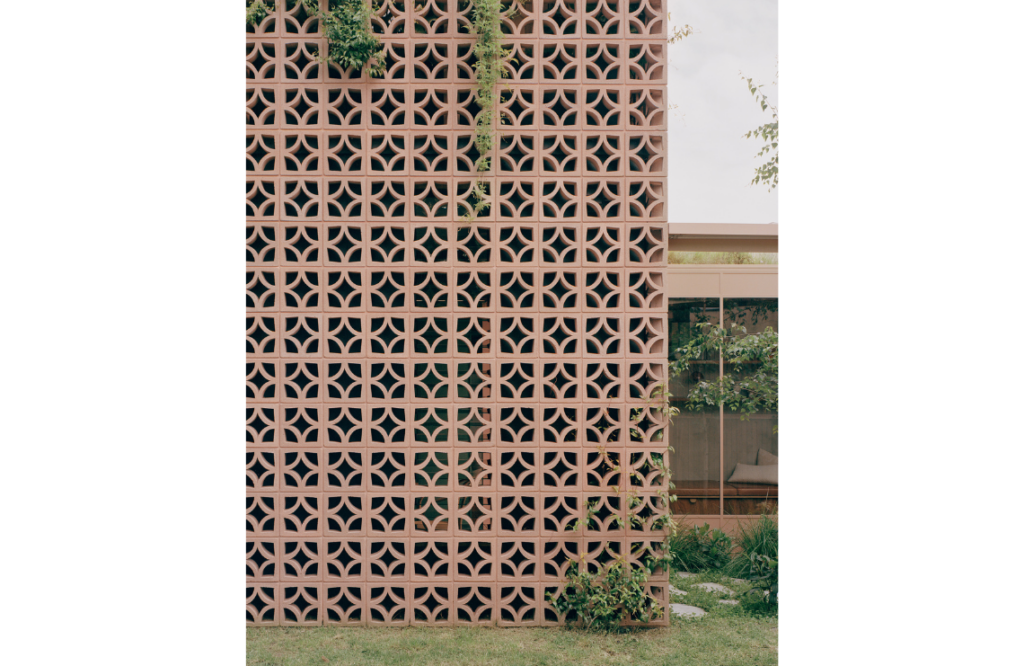
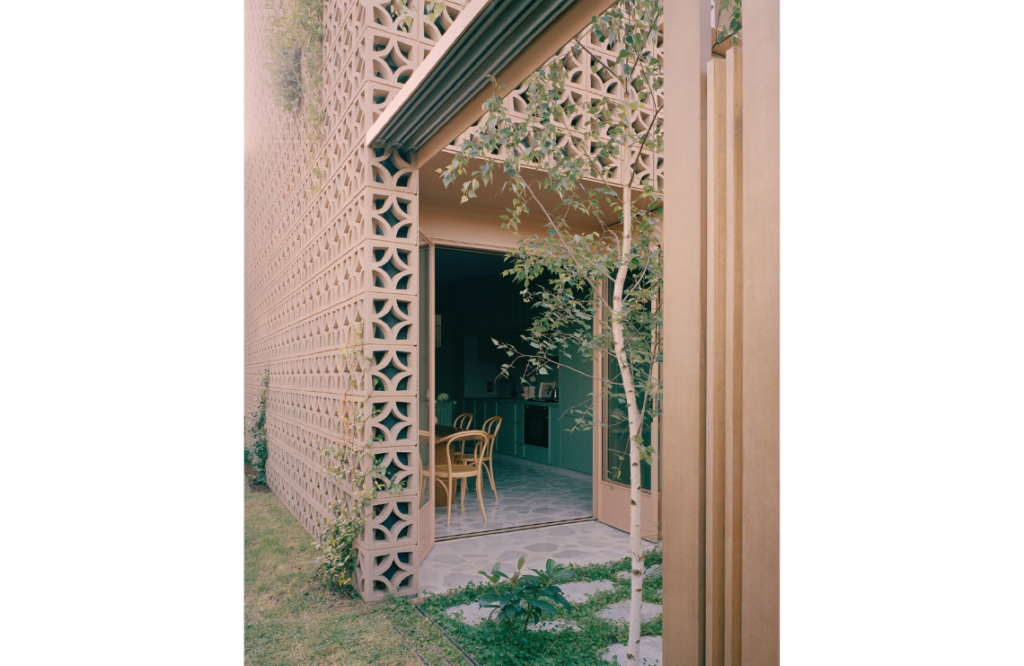
The breezeblock is a standout. “The design vision for the breezeblock was detailed with a custom mitred corner, prototyped by the builder/ blocklayer using a proprietary product,” explains Melissa.
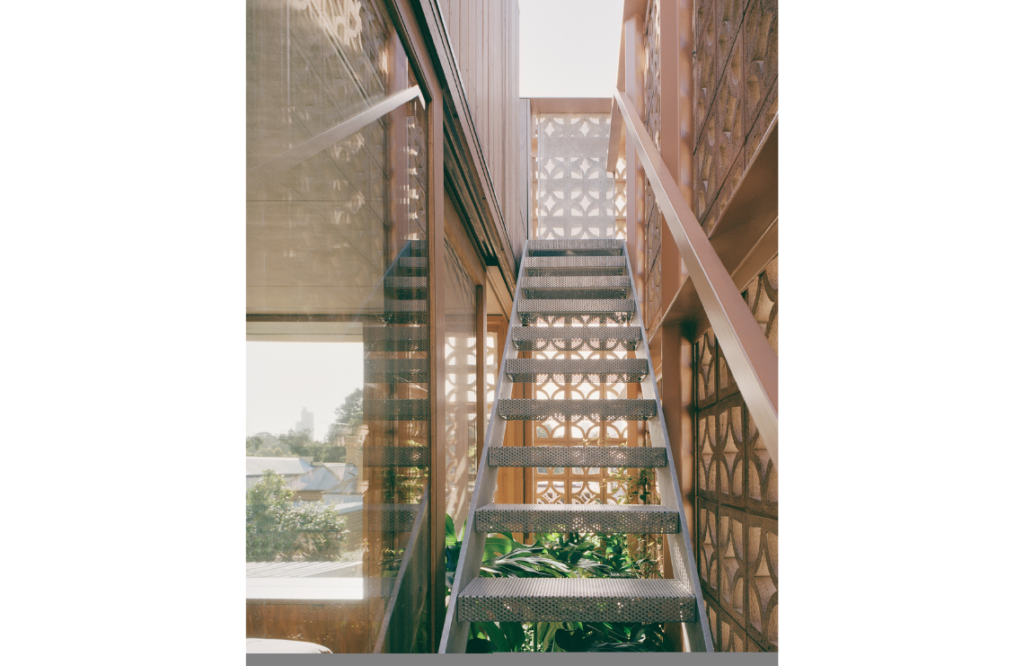
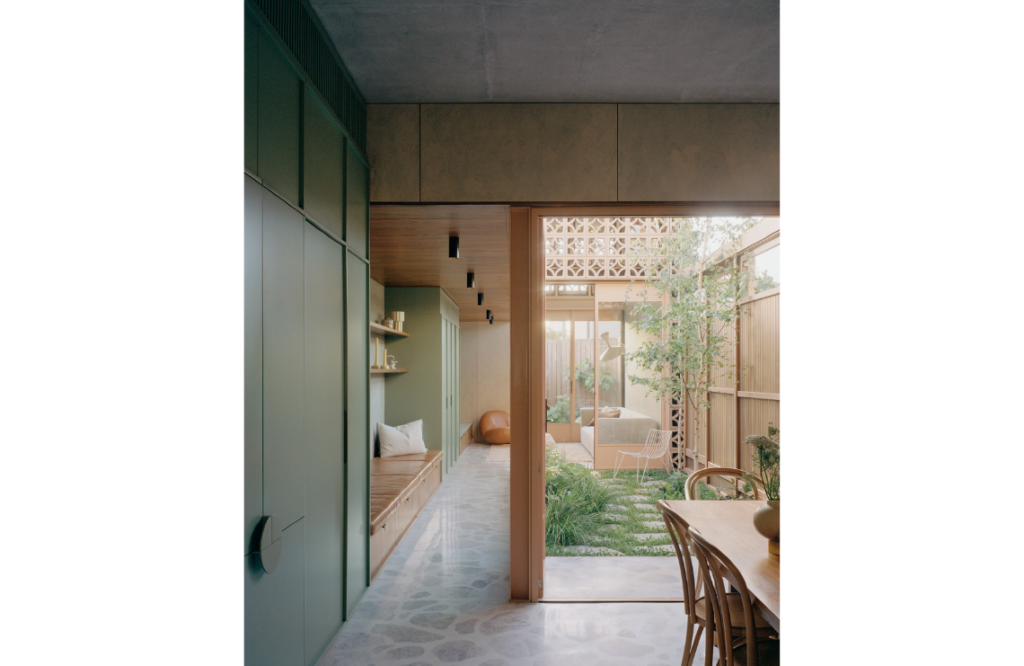
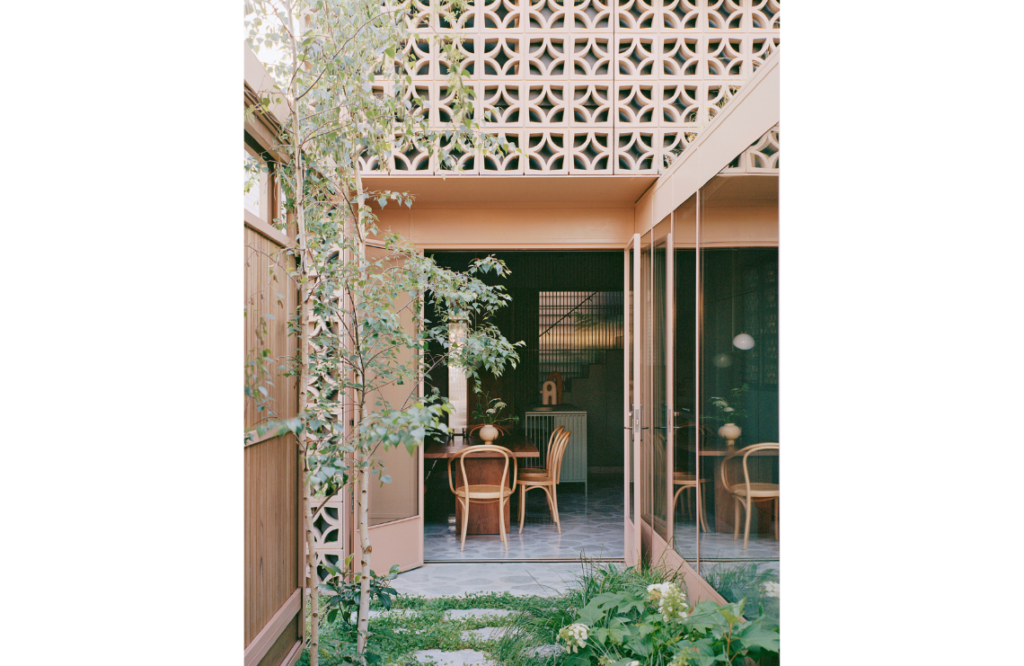
Given the small space to work with, this meant privacy, natural lighting and outlook all needed to be addressed. The design intent was to create a home that didn’t feel small or cramped, one that would harness light and green spaces. The solution benefited the family, and the outlook would also off er a leafy visual landscape to neighbouring properties. “The ‘backyard’ is reimagined in a dense urban environment, with courtyards, lightwells, rooftops, vertical facade planting and laneways all contributing to the full family brief,” says Melissa.
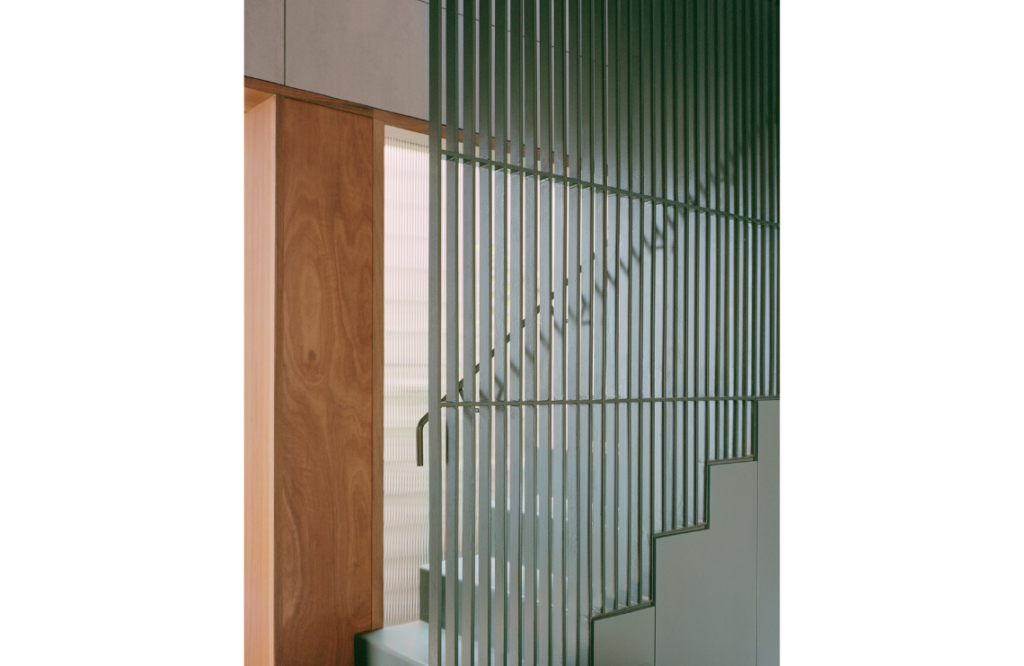
Inside is spotted gum, the warm timber adding an organic feel and complementing the palladiana flooring. It’s a project that will only improve as the lush greenery enfolds it in all the right places. “The ambition is that Garden Tower House will, over time, become increasingly attached to and embedded in nature, offering cooling and calming respite from the pressing urban context,” says Melissa.
Eco-friendly elements include the breezeblocks, which were sourced locally. They require minimal maintenance and were chosen with longevity in mind. Timber panelling was sourced from sustainably managed forests. Local makers and designers also contributed to the project. Other sustainability measures were included, and a water tank, solar panels, garden spaces and a green roof feature.
The way the garden and green spaces were compressed and extended vertically is inspiring. “There’s a rooftop terrace with city views, multiple courtyards, and lightwells that are filled with plants and creepers,” notes Melissa.
The homeowners are over the moon with their new abode and the commitment of the design team to deliver it. “Our project is a tiny inner urban site, and every millimetre was agonised over to ensure the functional requirements were achieved without sacrificing on the beauty,” they enthuse. “It is clear the commitment from the team to design excellence goes through every aspect of the process.”
Article Featured in Grand Designs Australia 14.3