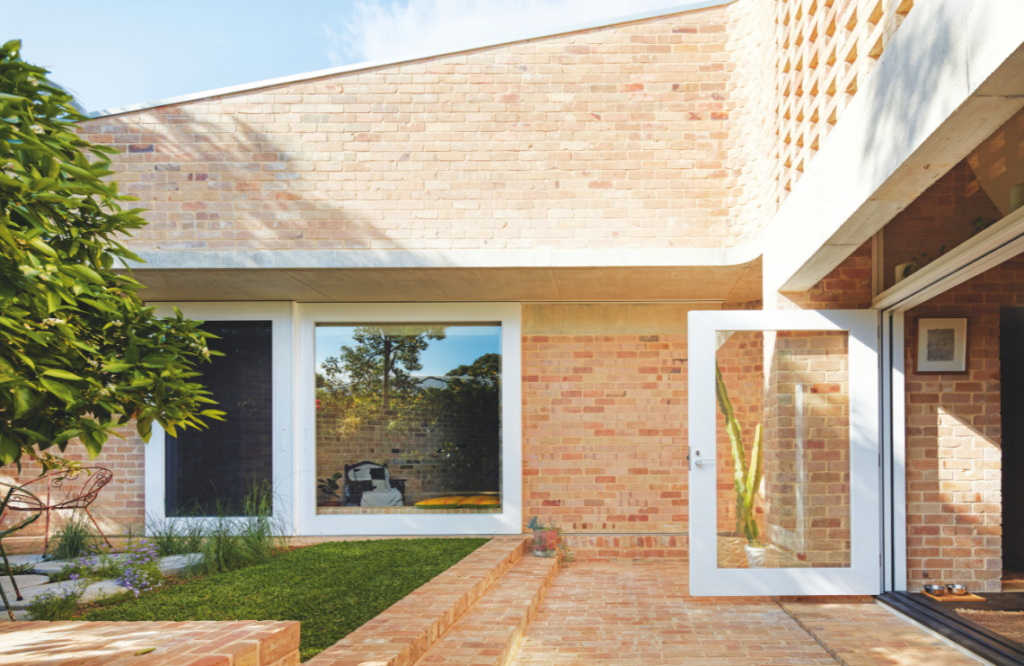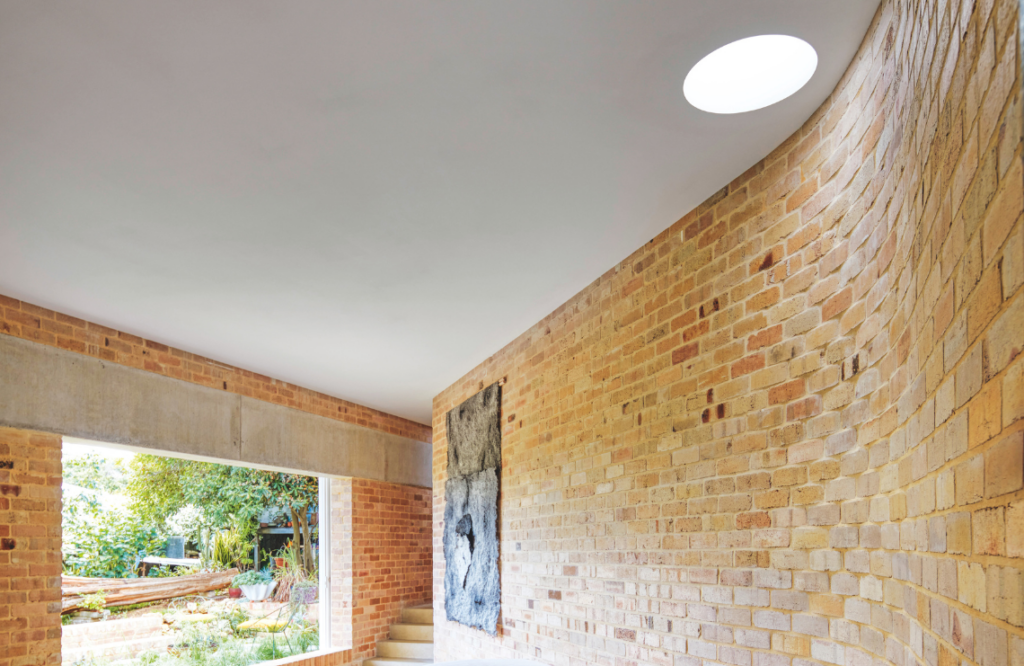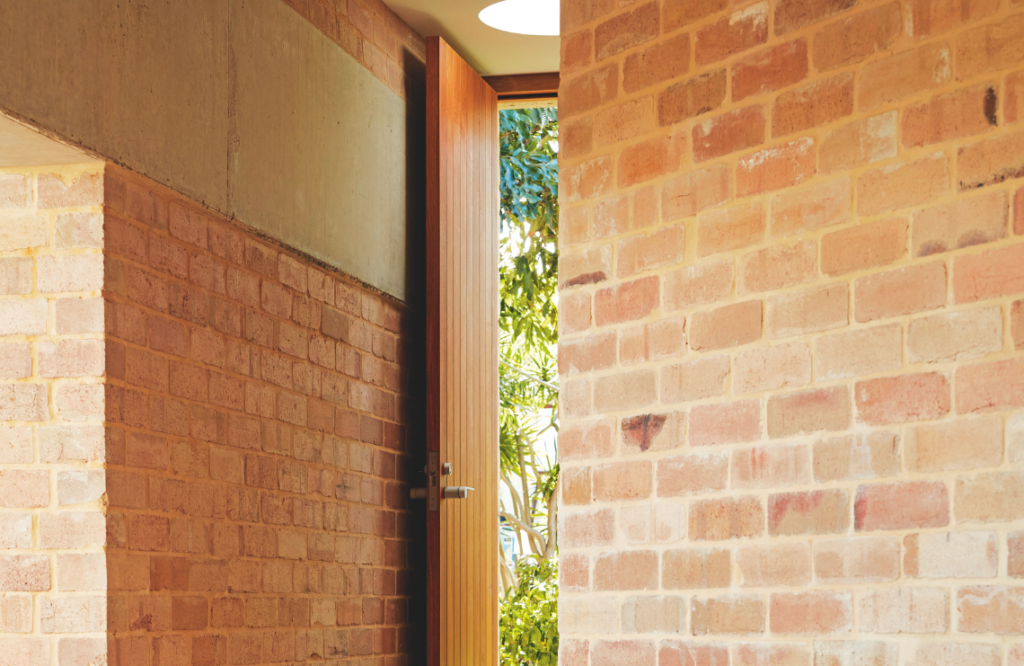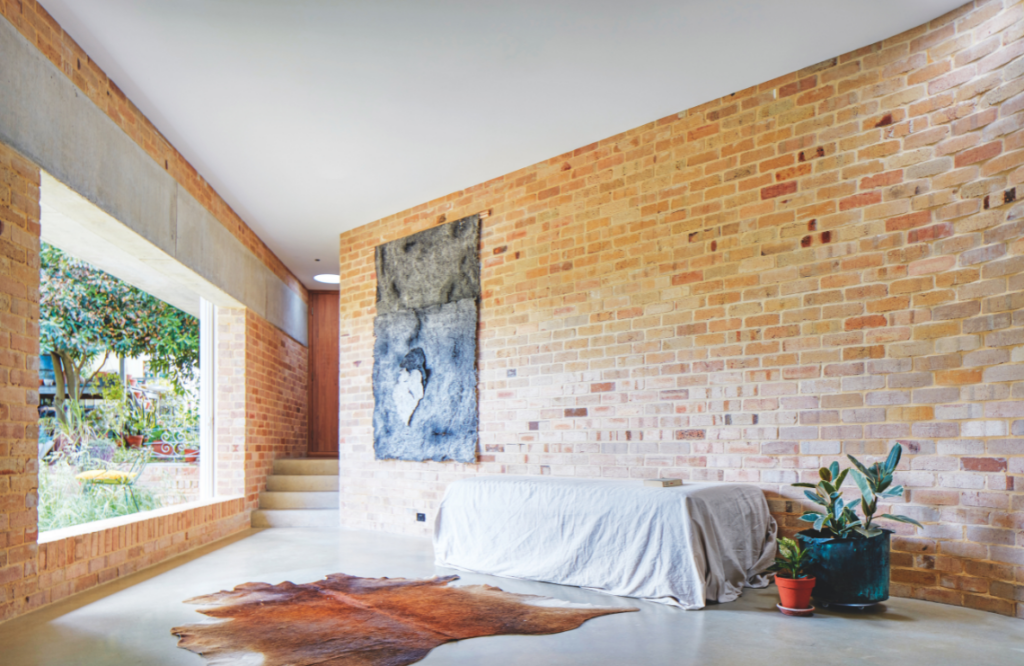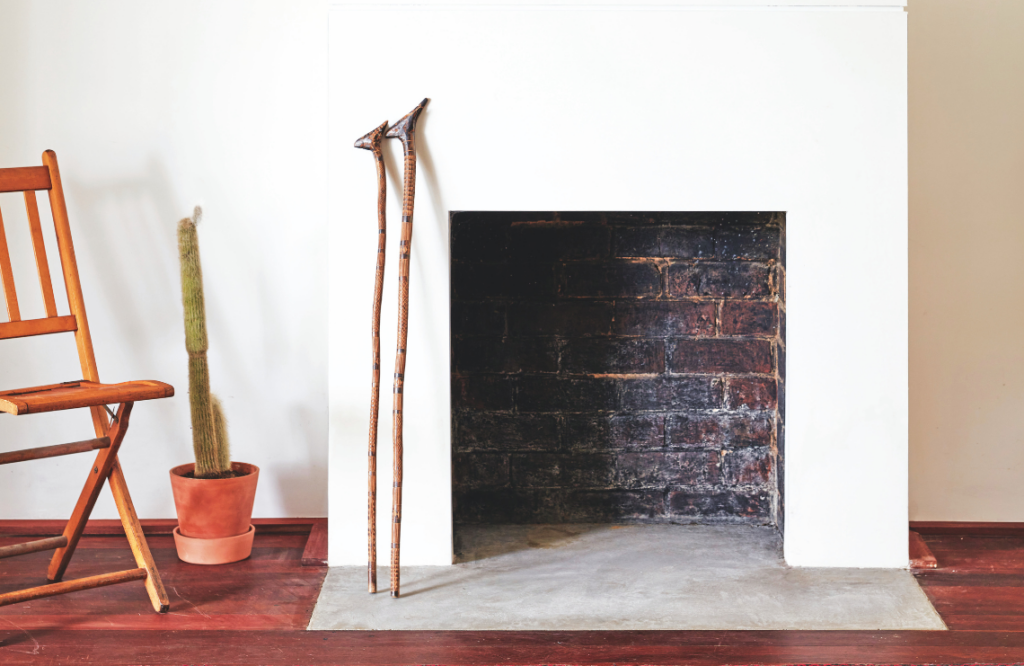
Two professional artists have owned this little worker’s cottage for more than 25 years. The original house was built in 1947 but the building was run down, riddled with asbestos, with a leaky roof and dodgy electrics. The cottage required major reconstruction but the homeowners also wanted to preserve its spirit and memory.
Maintaining Simplicity While Expanding Space
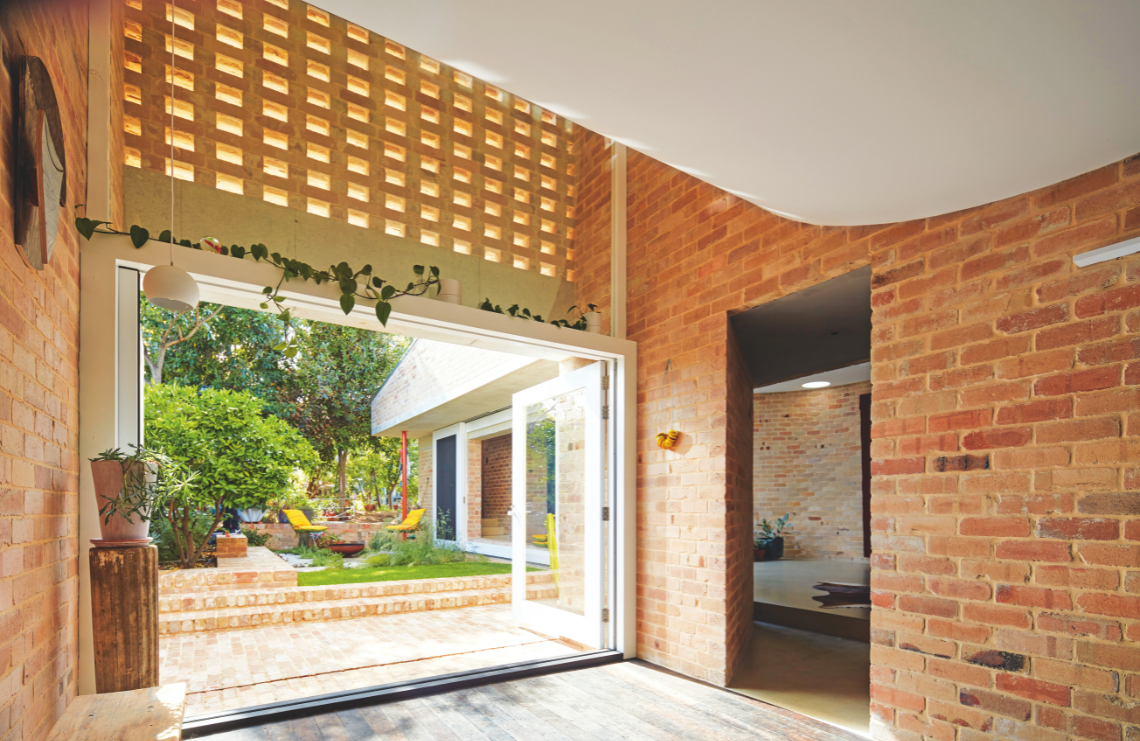
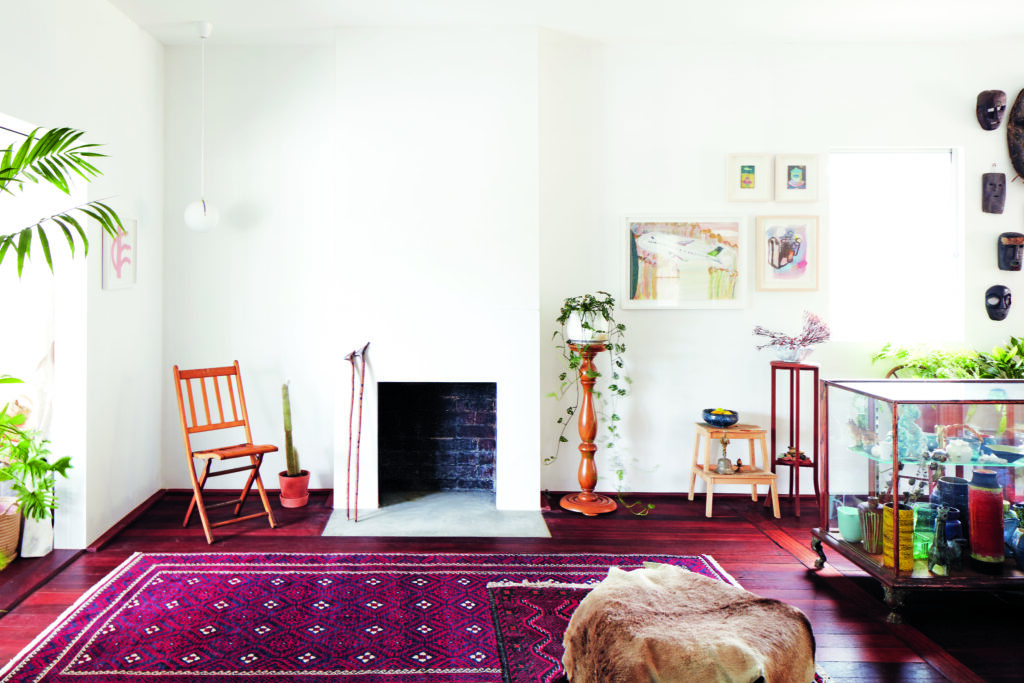
The brief for Beaconsfield’s cottage was to maintain simplicity and directness while adding more space for the homeowners. Additional spaces included a new kitchen, flexible living area, and a studio, gallery, or workshop for the artists. The shared vision was to create a “severe, cave-like and direct interior” that correlates with a luscious garden outside.
Rooted in Nature: A Vision for the House
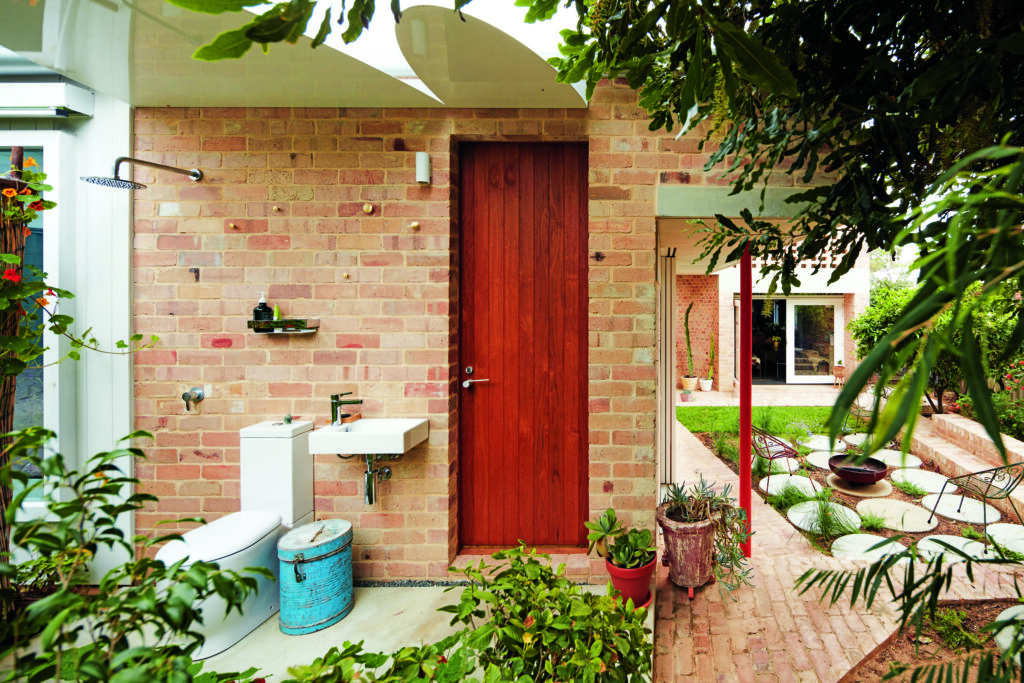
“The vision that emerged for the house was one that is deeply rooted in its environment via what Romano Guardini would call ‘a decisive nearness to nature’,” says Simon Pendal of Simon Pendal Architect. “We are always inspired by the need to respond to the natural world — in this case an acknowledgement of the rising of the sun, a perception of the phases of the moon, the value of breeze, and the centrality of the garden to the rooms of the house and the immersion in this by the occupants. We see powerful connections between human health and the merger of the natural and built worlds.”
A Harmonious Blend of Materials and Color
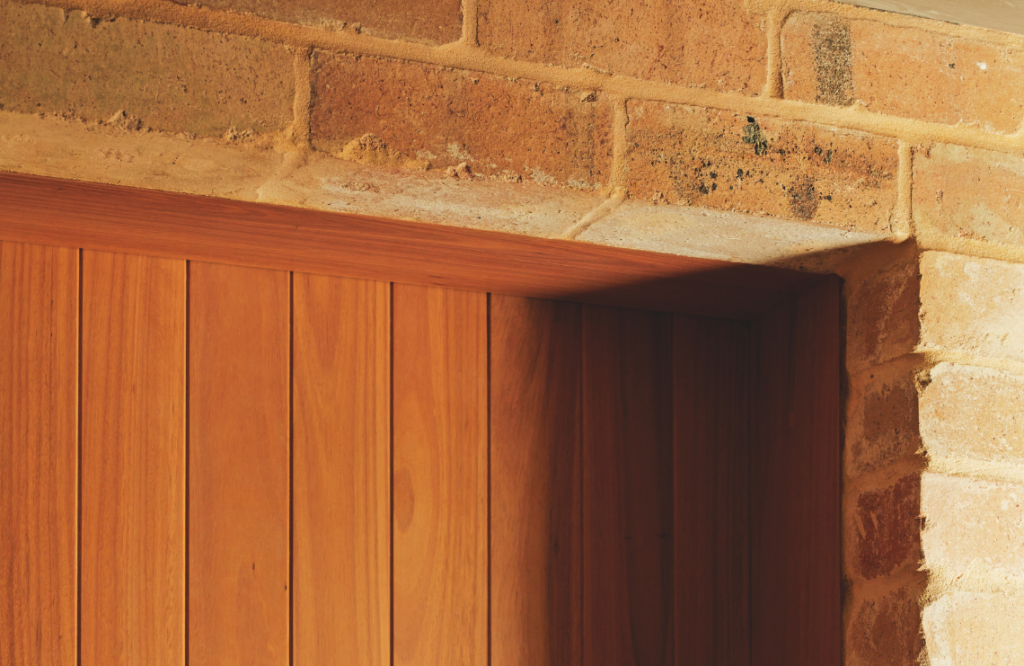
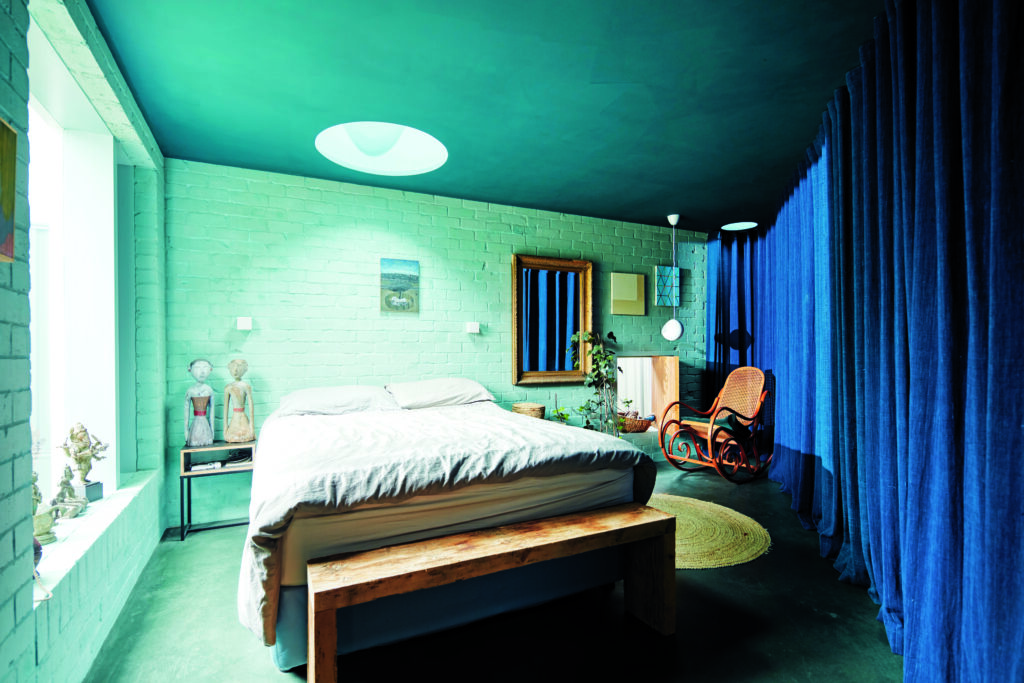
Brick was chosen as the principal material for the project due to its “sheer mass and consistency”. While brick provides a raw and organic presence, the team also considered its technical advantages, including its thermal properties. They used Blackbutt for doors and door frames, contributing to the “soft and somewhat monastic” palette. A surprising immersion of intense colour in the master bedroom might feel overwhelming, but its hue instead remains comforting and peaceful.
A Sustainable Future for Beaconsfield House
“Because they are skilled artists, they took this idea of intensity that made the colour selection more nuanced, conducting an extensive search that ultimately resulted in finding a sari which had the combination of colours that were ultimately used. For all involved, this room makes us feel as though we’re swimming or immersed in water,” says Simon.
Beaconsfield House is no longer a 76sqm worker’s cottage. It has transformed into a three-bedroom, two-bathroom (one outdoor) family home, with a second living room. The design preserved 65% of the site for a garden, which envelops the home through large, frameless openings. The northerly orientation, along with proper shading and insulation, ensures efficient climate control. Additionally, the 5kW rooftop solar system makes the building much more environmentally friendly and considered.
“I am so pleased that the very humble little cottage has been given life for at least another 30 or 40 years and, in doing so, the existing neighbourhood’s qualities are maintained, not as some sort of stifled preservation project, but as a place that is cared about and much loved by its residents,” shares Simon.