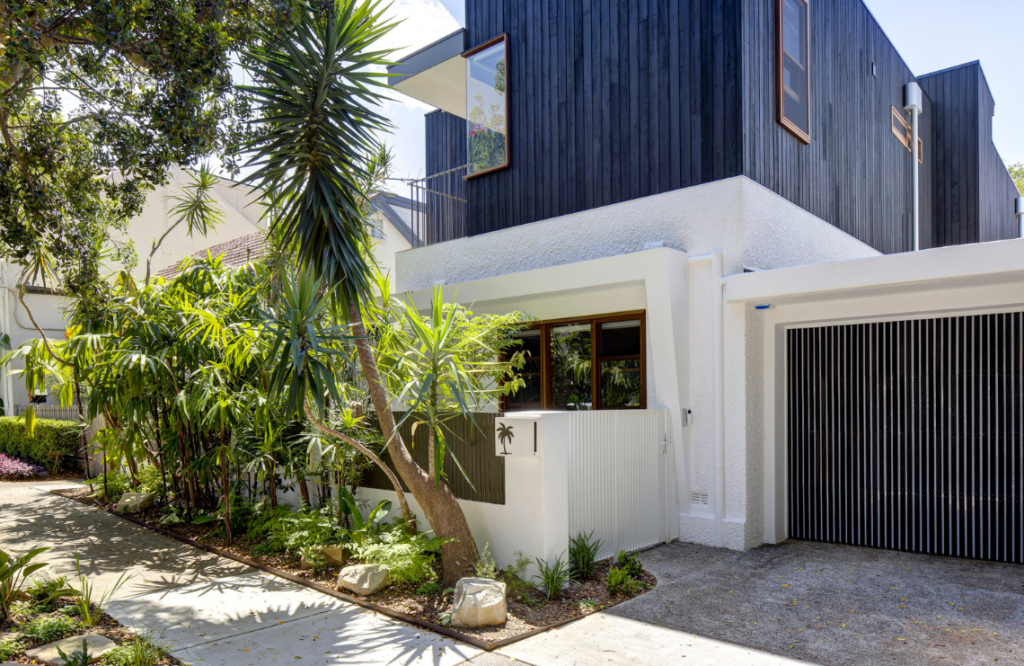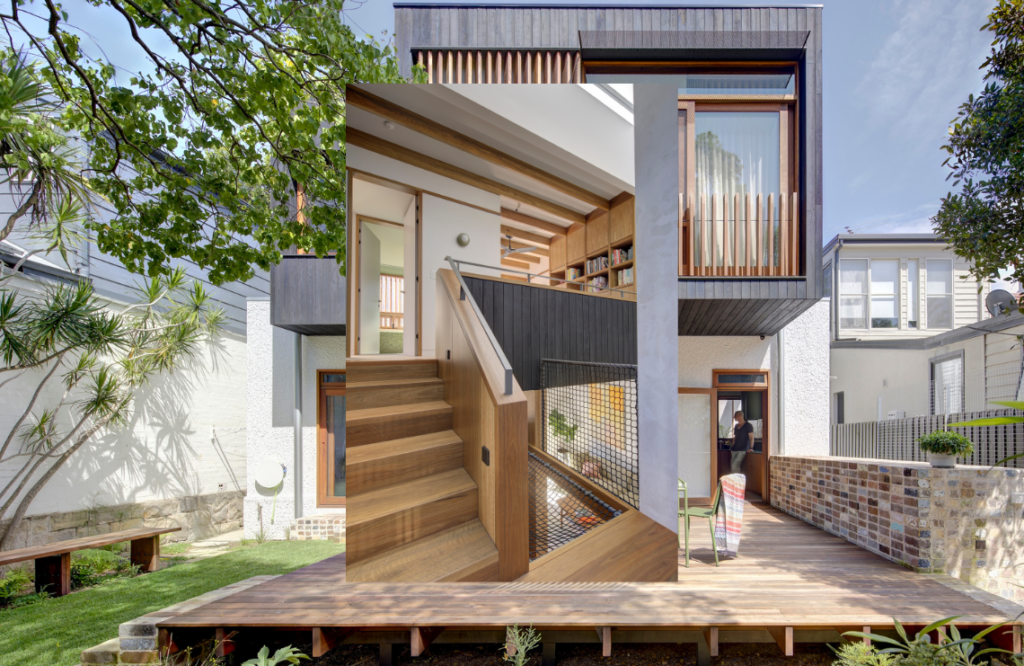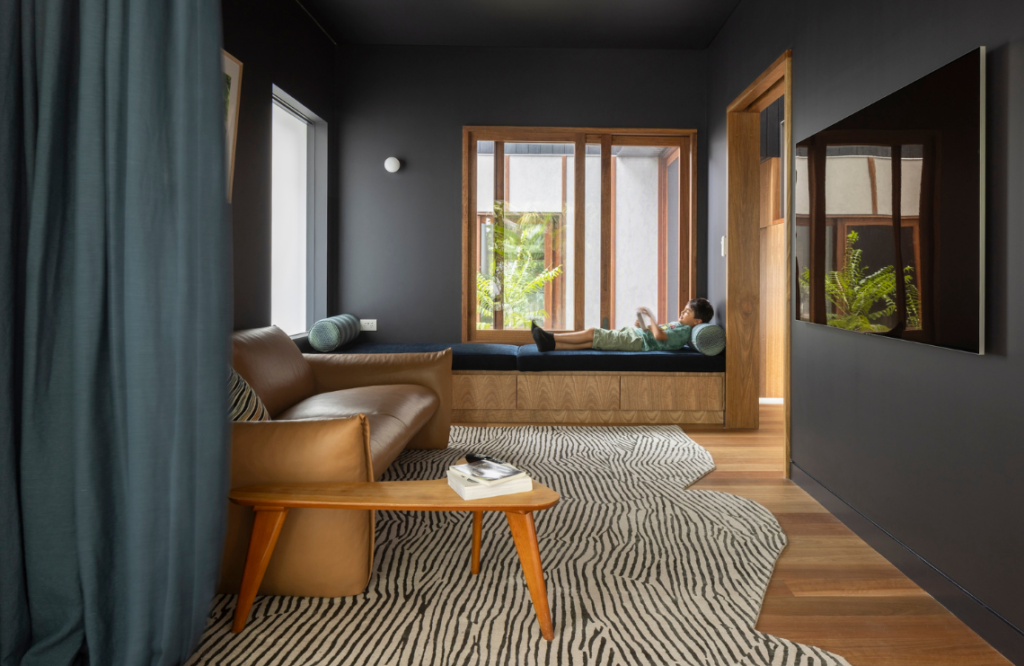

A hop, skip and jump from beautiful sundrenched Bronte Beach, this enchanting family home by Sam Crawford Architects is located in a landscaped heritage street with sweeping mature Moreton Bay figs.
The existing home was a 1950s circa modest brick bungalow and its occupants, a family of four, were running out of room. Sam Crawford Architects stepped in and designed a series of beautiful, warm, inviting spaces that offer opportunities for the family to connect, and also to retreat to.
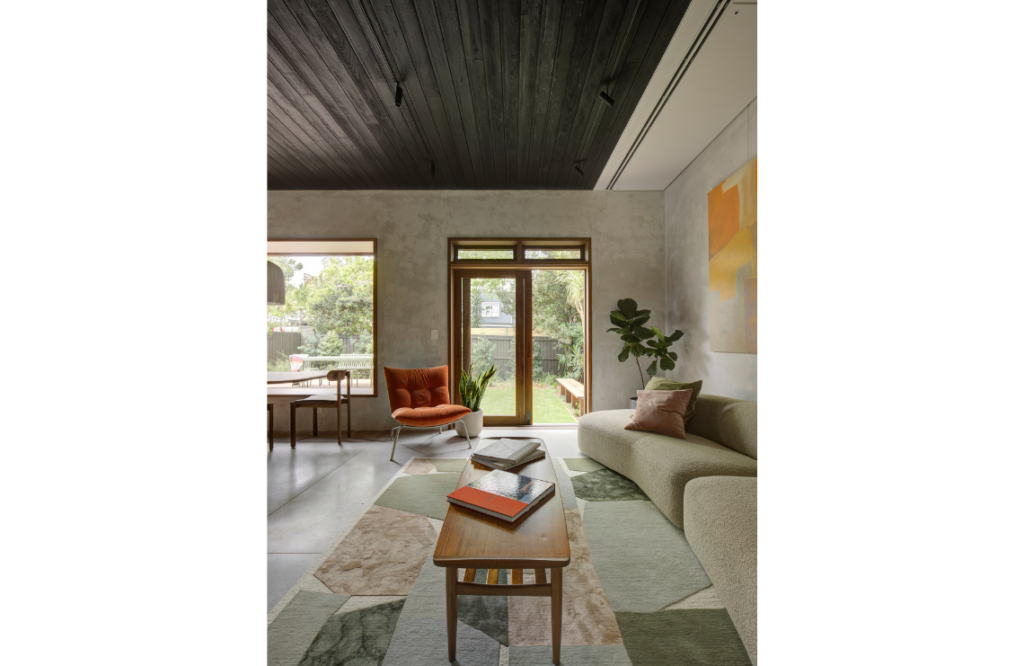
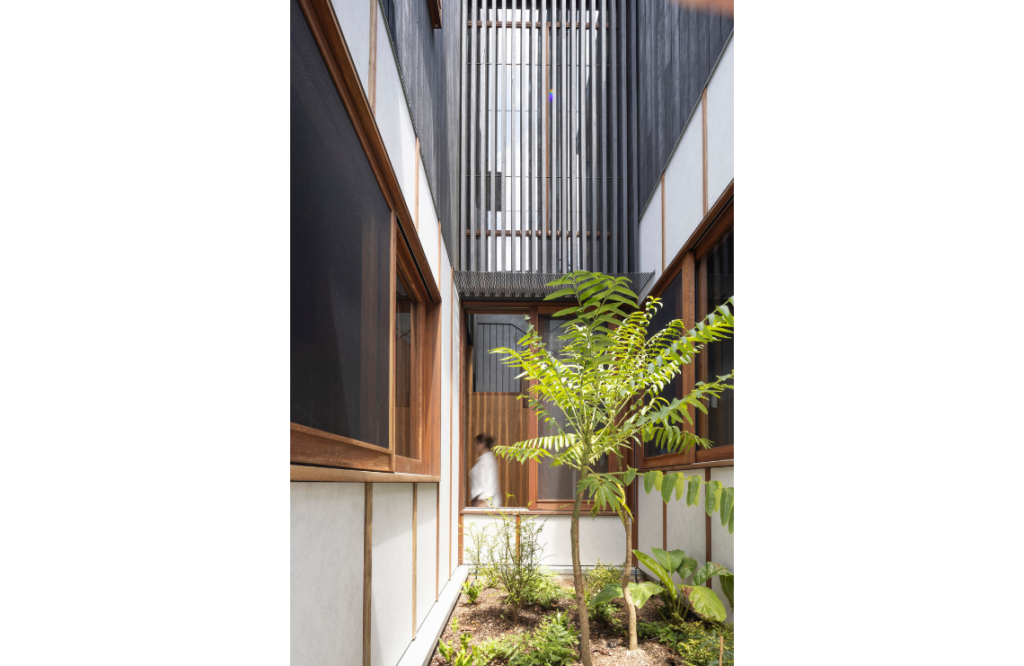
Charly Watson, associate project architect, says the design brief centred on enhancing the existing connection with the outdoors. “They wanted the ability to stand in the centre of the house and look in multiple directions to greenery,” she says. The leafy tree-lined street and its surrounds inspired the design. “The street and its site enjoy a lush, verdant greenery that we wanted to champion and connect to throughout the home,” says Charly.
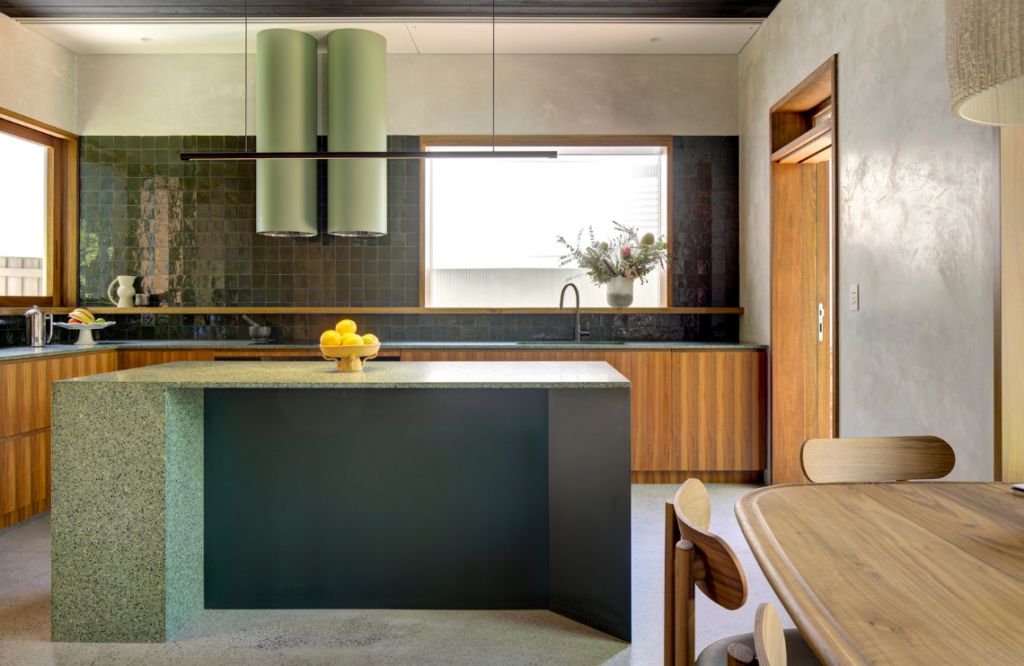
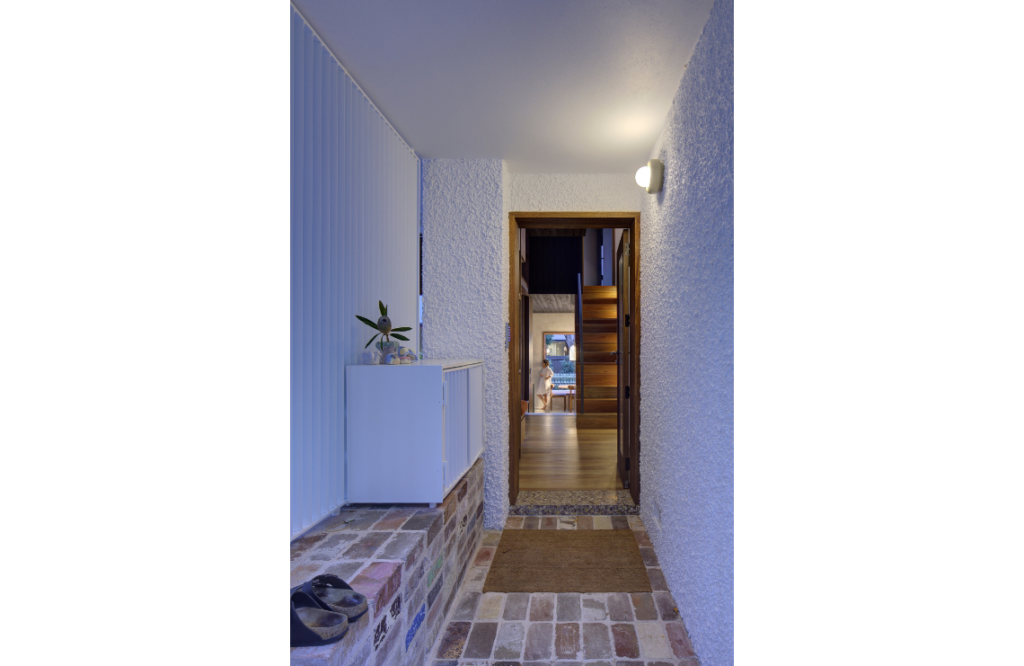
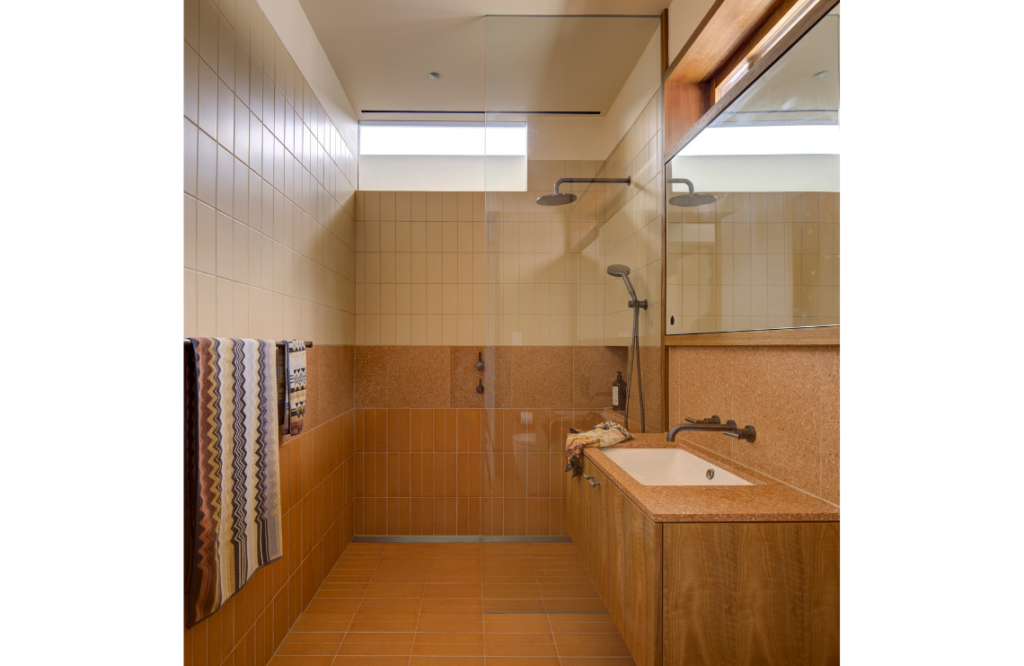
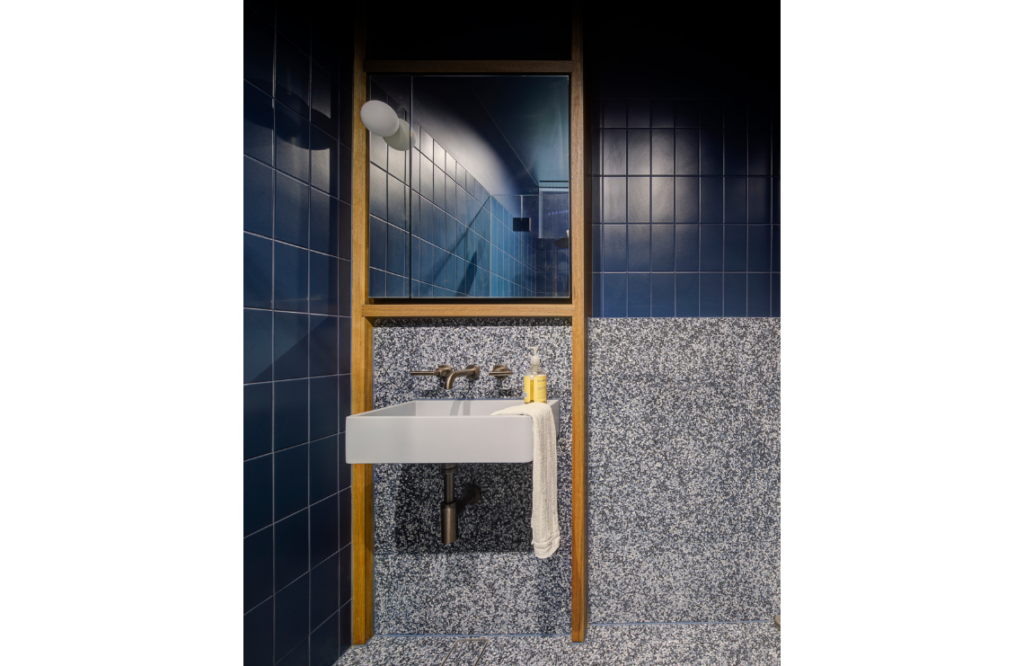
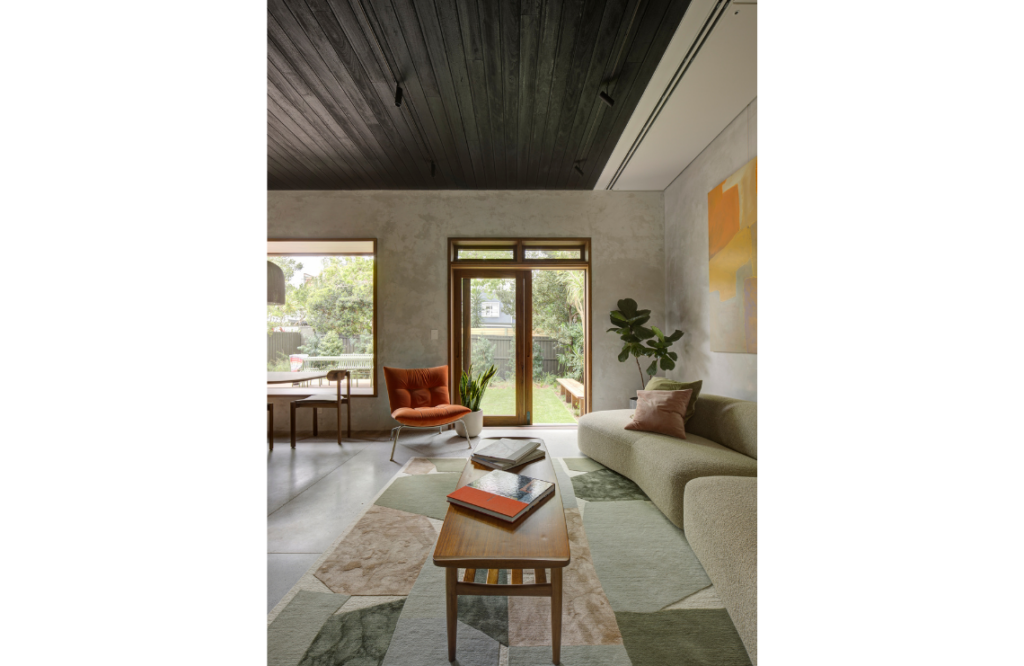
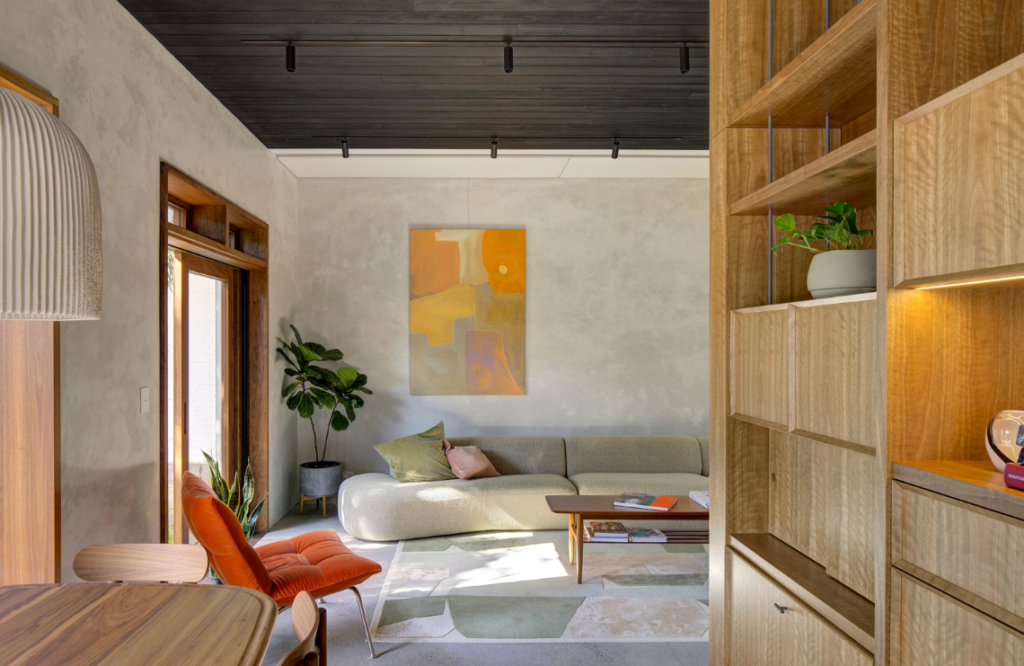
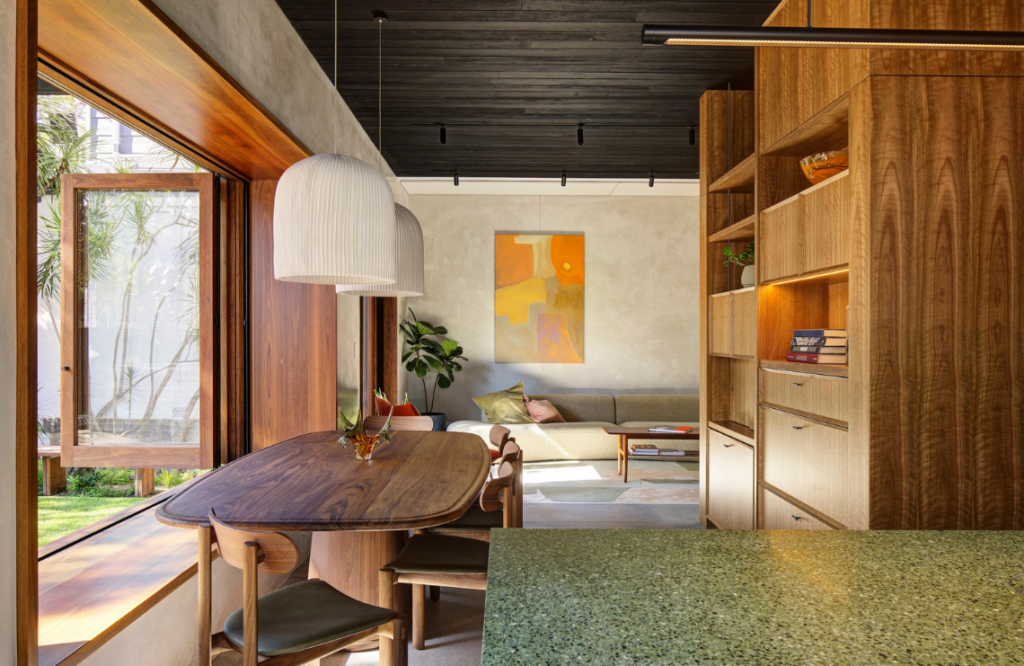
The feeling of restfulness and respite from the busy coastal locale is evident as soon as you step over the threshold. The interiors reflect the homeowners’ desire to avoid stark white; instead it’s imbued with natural earthy-based colours and Australian hardwoods. It’s a dwelling that indeed seems to hug the vegetation that surrounds it. Charly says in response to the sloping site, the rear ground floor was lowered to meet the garden, sinking the home into the greenery. “The existing external walls were strategically modified to introduce a central courtyard and provide layered views,” she explains.
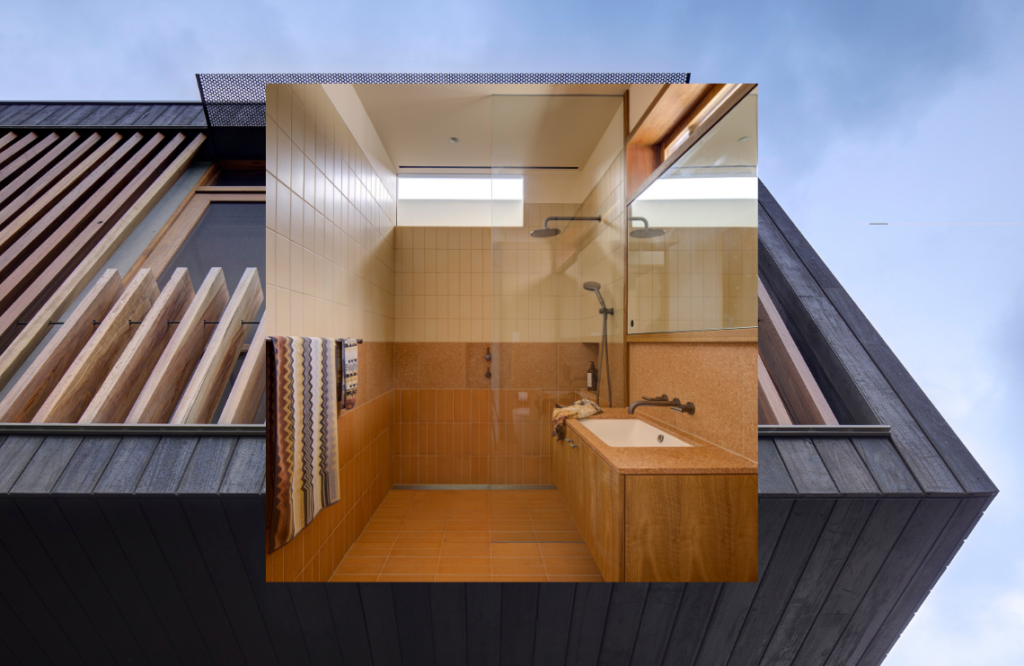
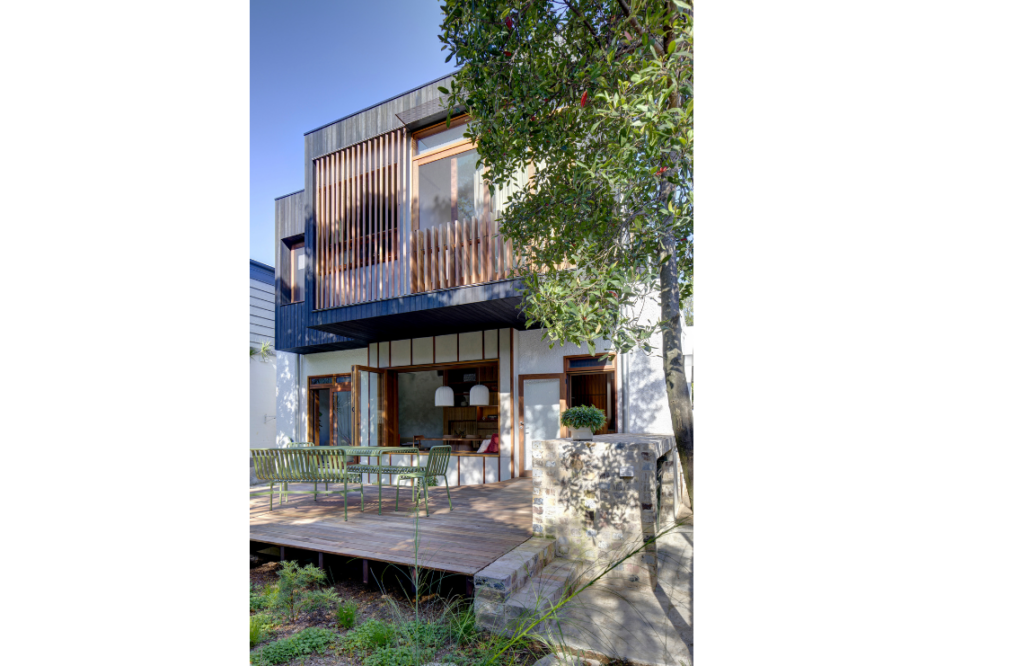
Living spaces have been strategically positioned towards the rear of the house, with private spaces at the front. “The charred timber-clad first floor also steps, to echo the split-level ground floor,” says Charly, “introducing a separation between the spaces for grown-ups and kids.”
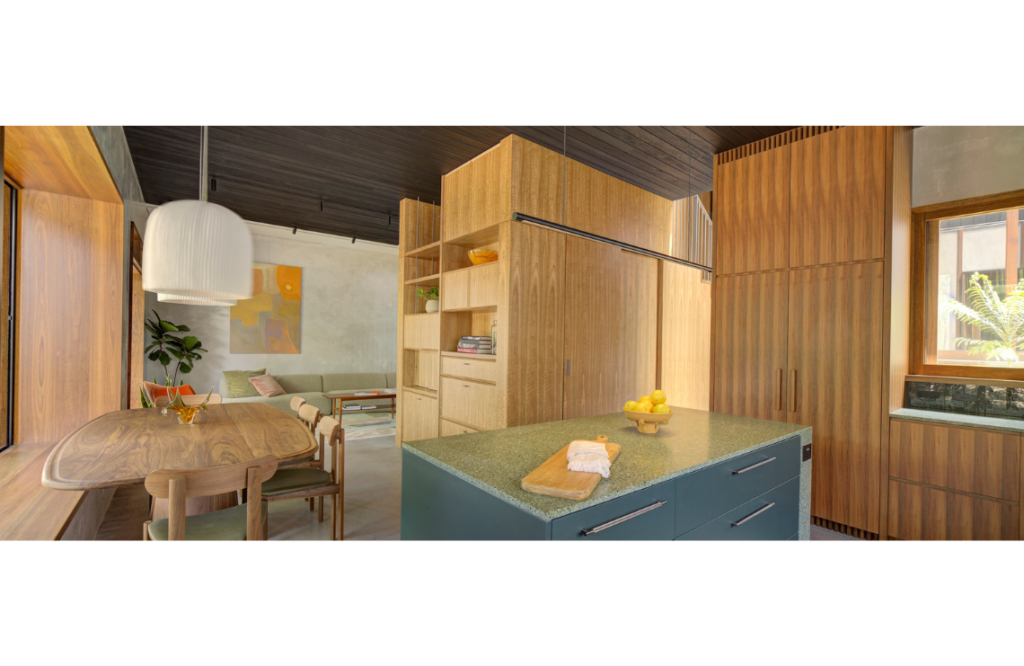
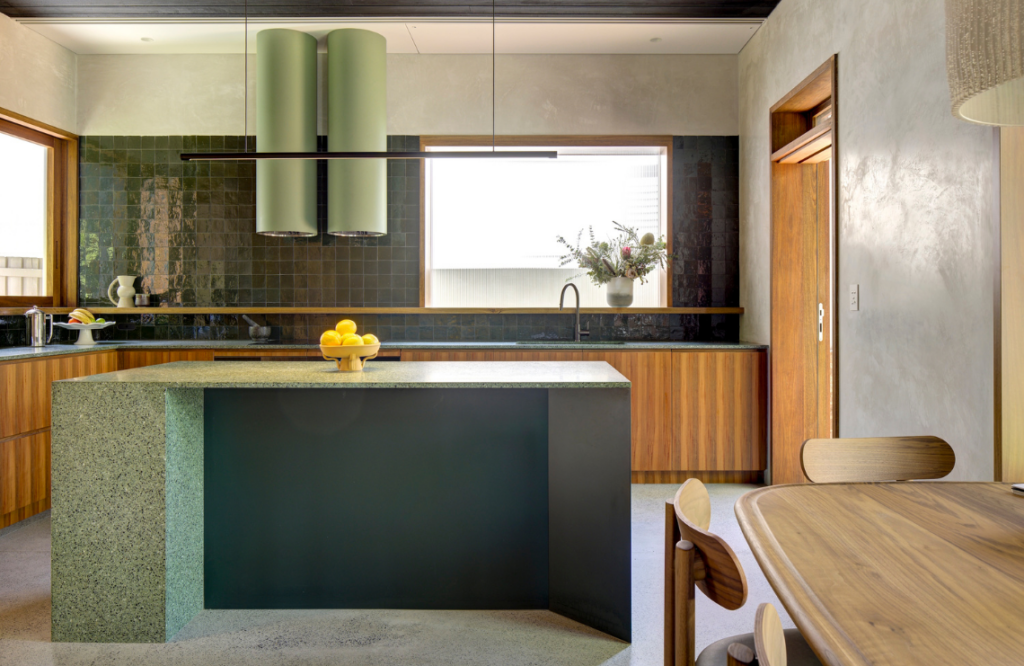
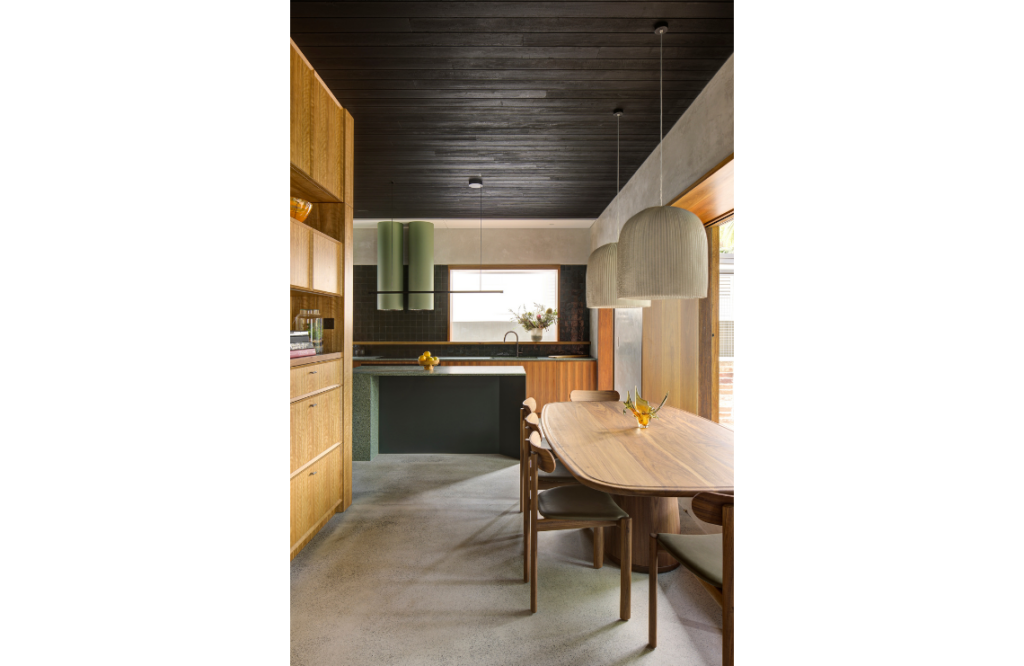
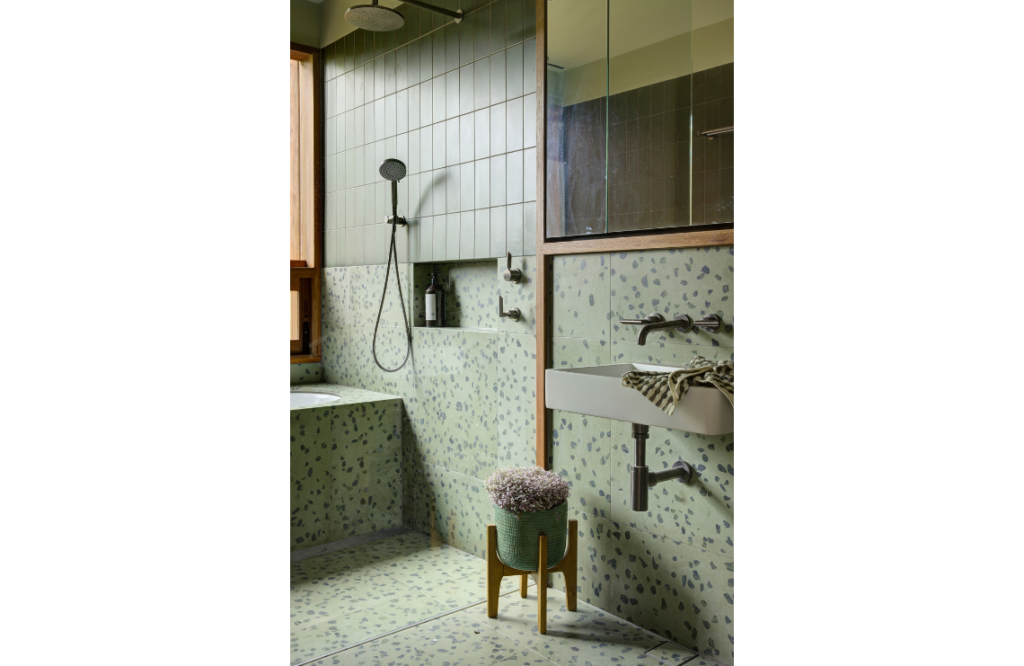
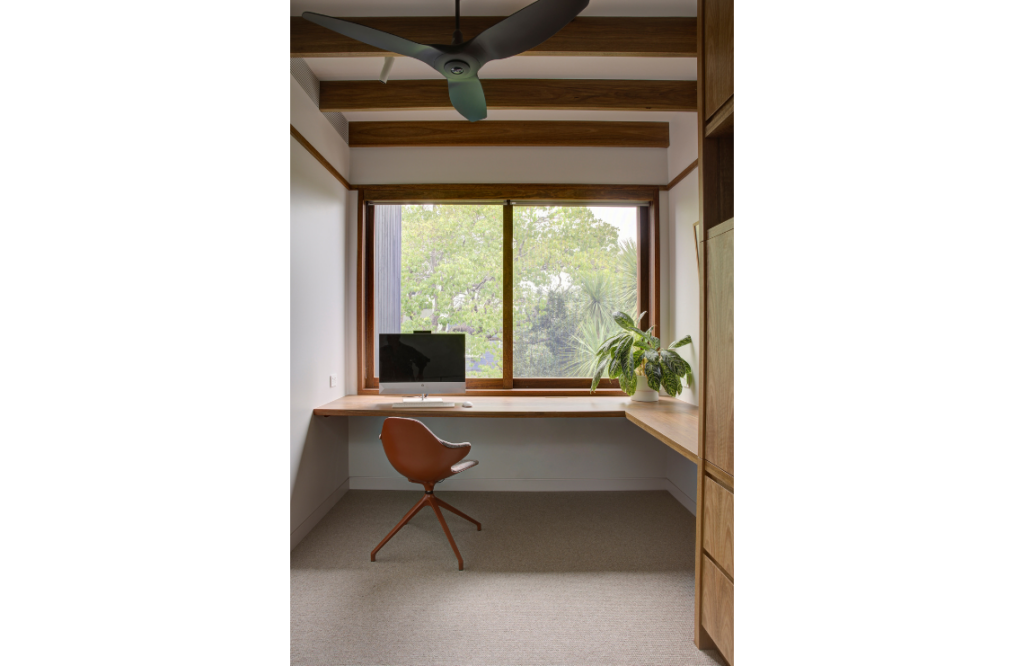
While much of it is new, the original fabric and character of the abode was thoughtfully respected. The new home is made up of three bedrooms, one ensuite and two bathrooms, a study and TV room, as well as a kitchen, dining and living area. There is also a laundry, walk-in pantry, garage and storeroom.
Environmental considerations were ably addressed. These include two periscopes in the roofscape that expel warm air and keep the home cool, careful placement of operable and smaller awning windows, and the planted courtyard. Australian hardwoods were used in doors and windows, including spotted gum and grey ironbark. The charred cladding is jarrah.
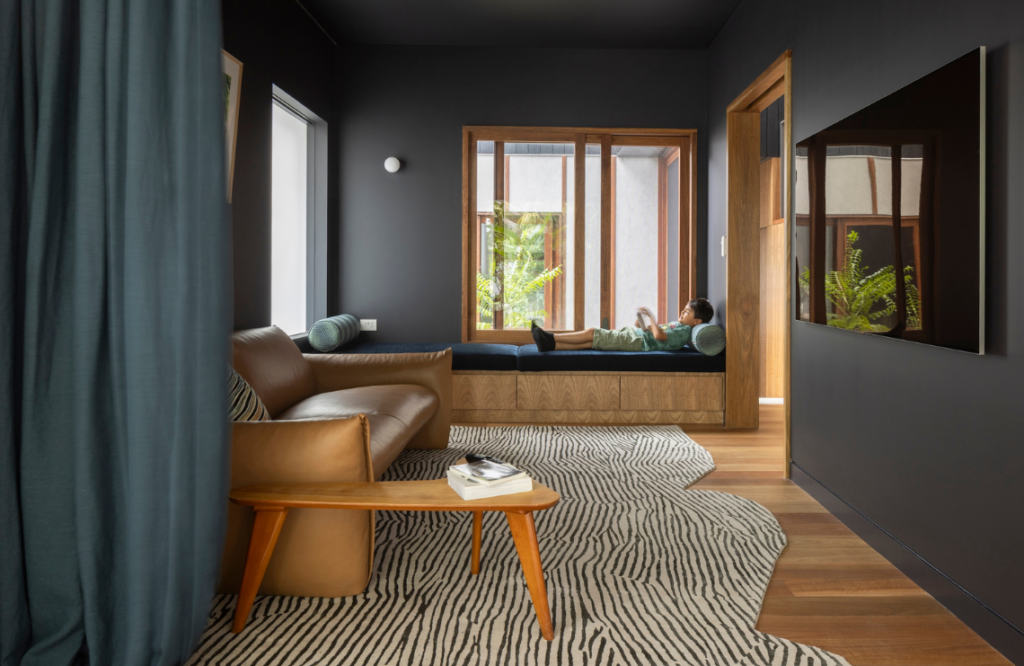
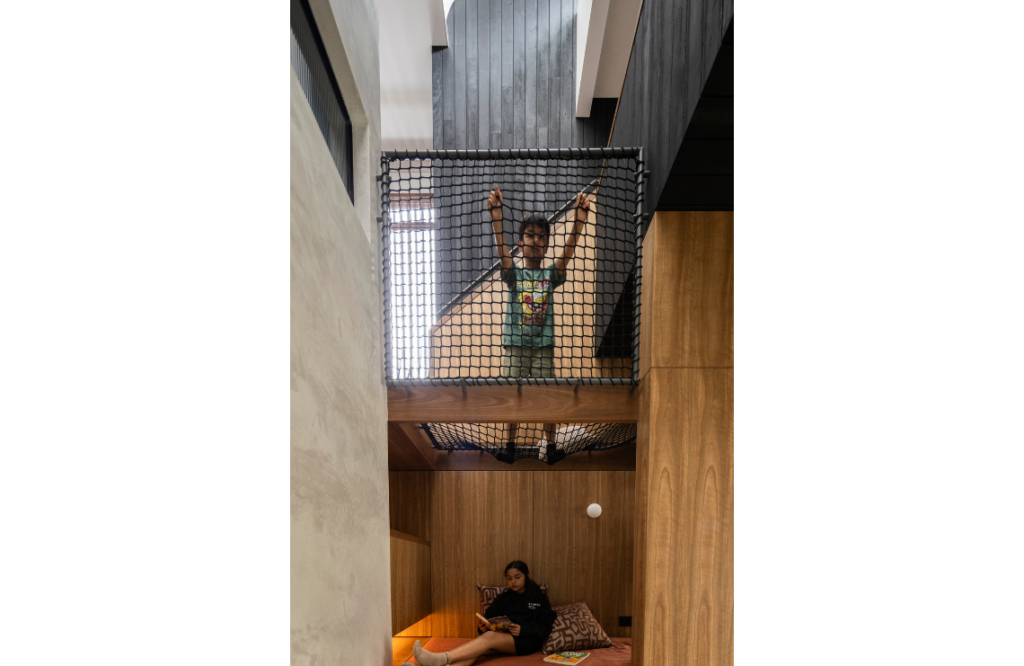
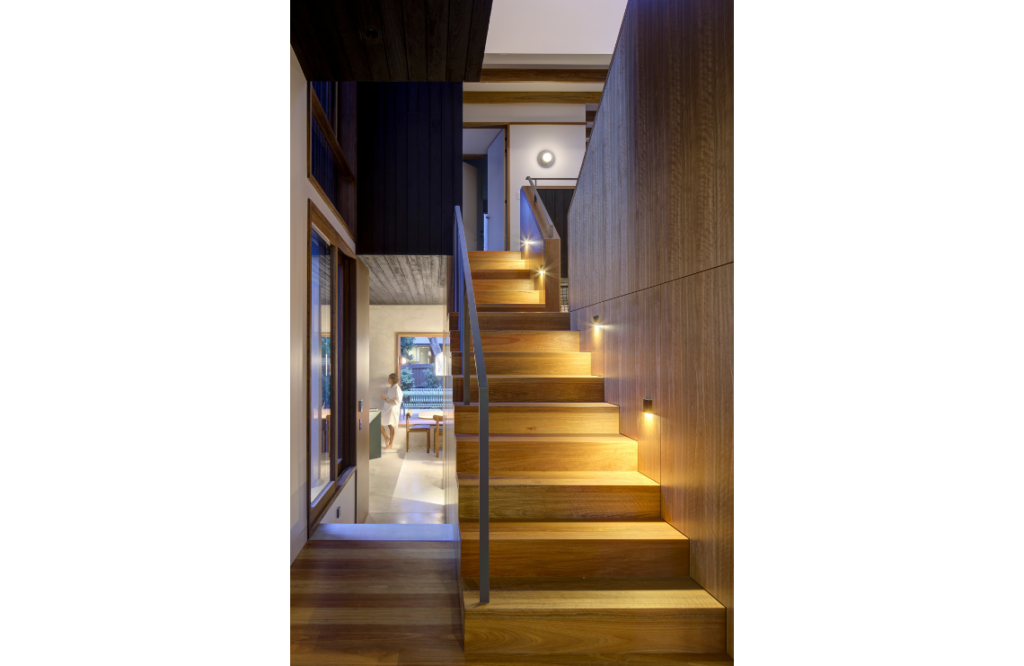
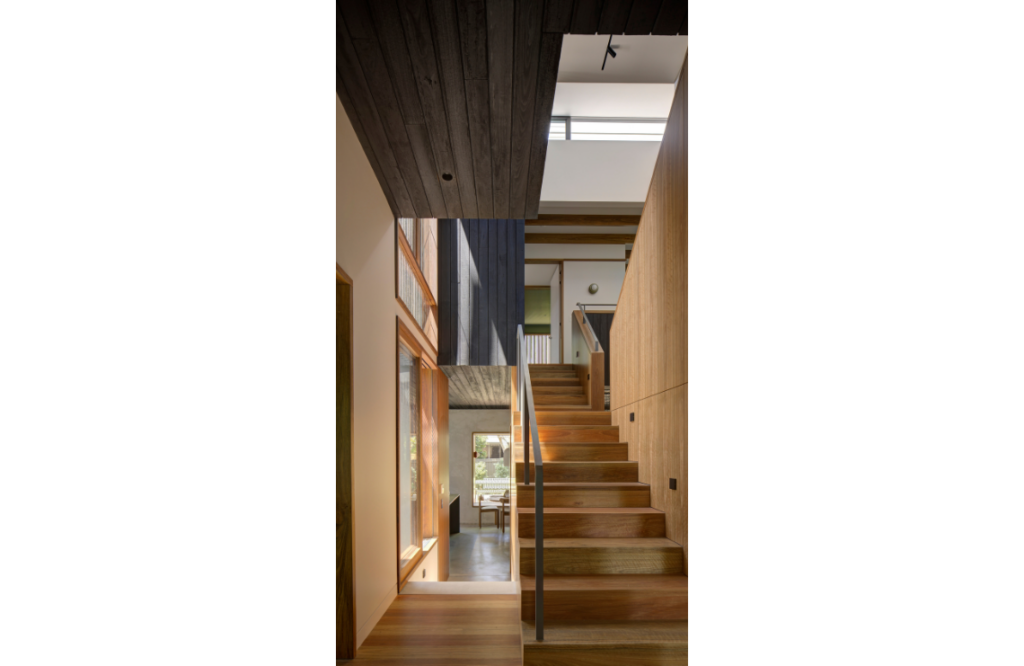
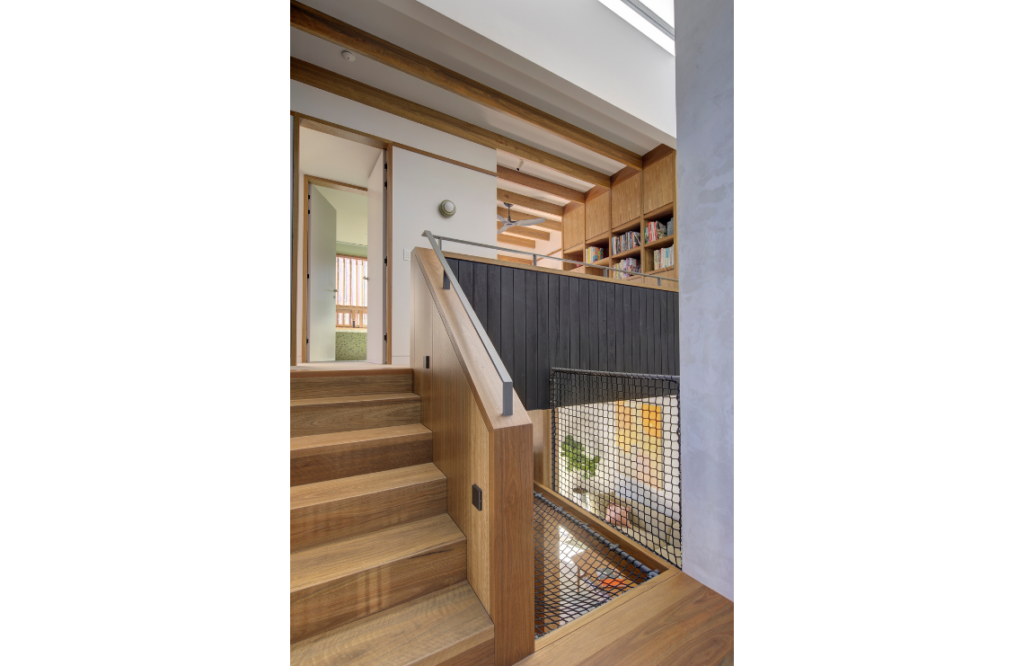
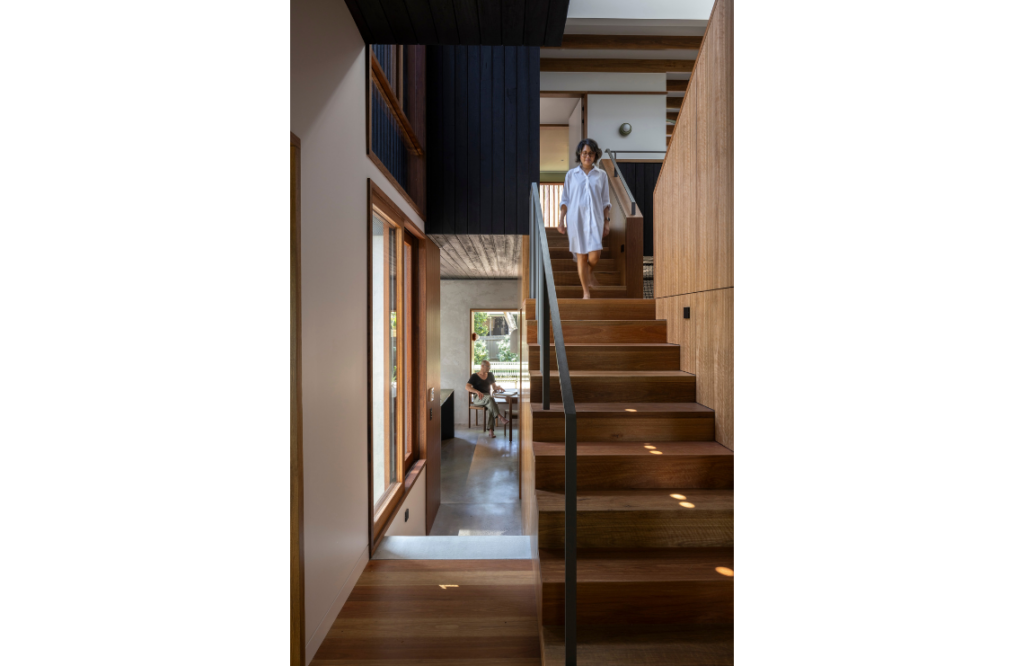
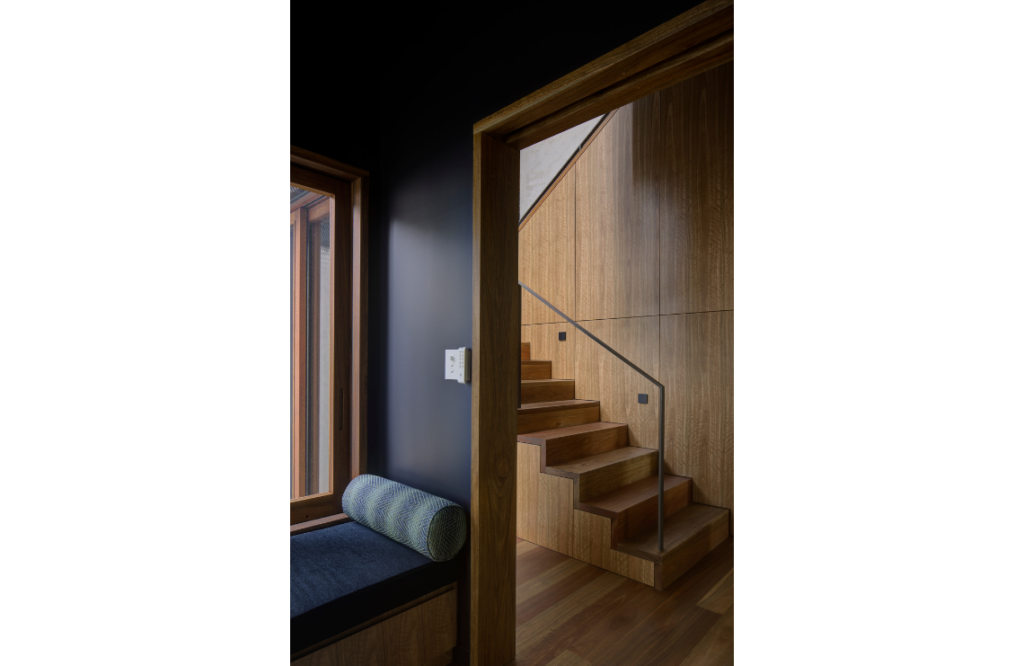
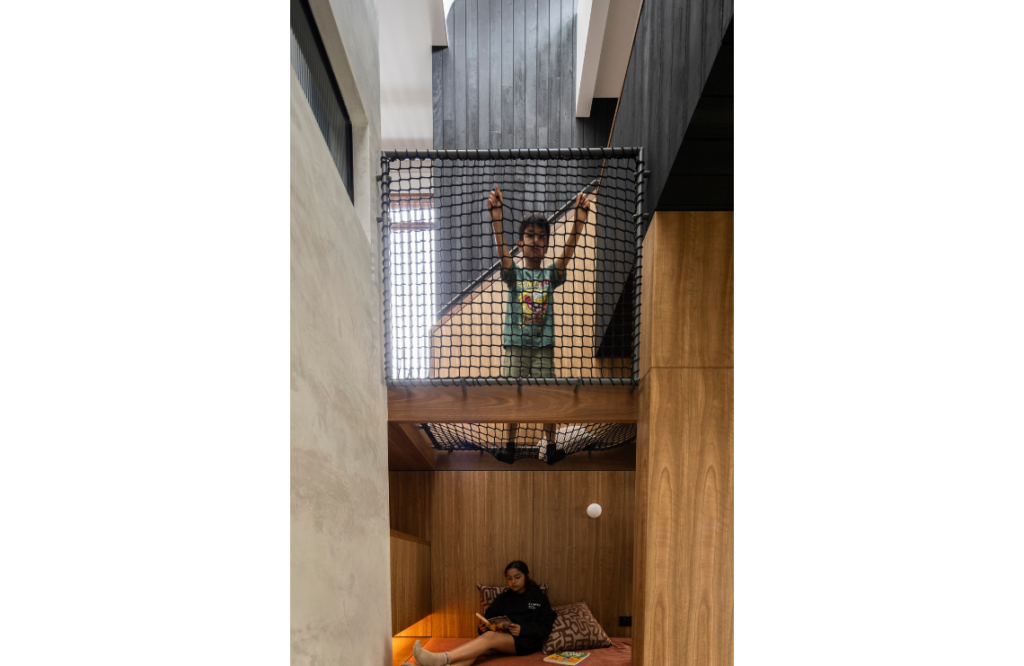
The central stair and void are a standout. “This space seems to flow across the entirety of the home, linking each family member while maintaining privacy,” says Charly. “This was also one of the most detailed elements of the build, but its hidden complexity provides an understated calmness.” Charly says aspects of the build — the central stair, pantry, joinery, nook and mesh hammock — were standouts, with excellent collaboration with Build by Design and Scotts Kitchens. “The entire unit is a mix of solid and veneer panels of spotted gum, with no visible fixings,” she notes. “There is also critical alignments of stair treads and risers to shadow gaps that run on to align with doors, and shelves at a consistent height of 2.4m.”
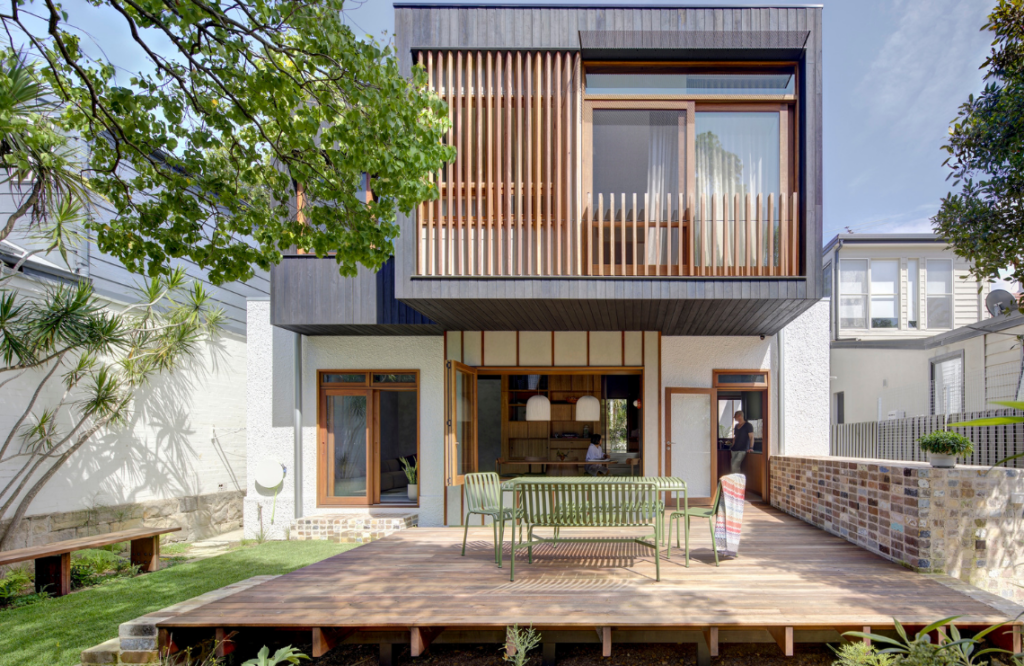
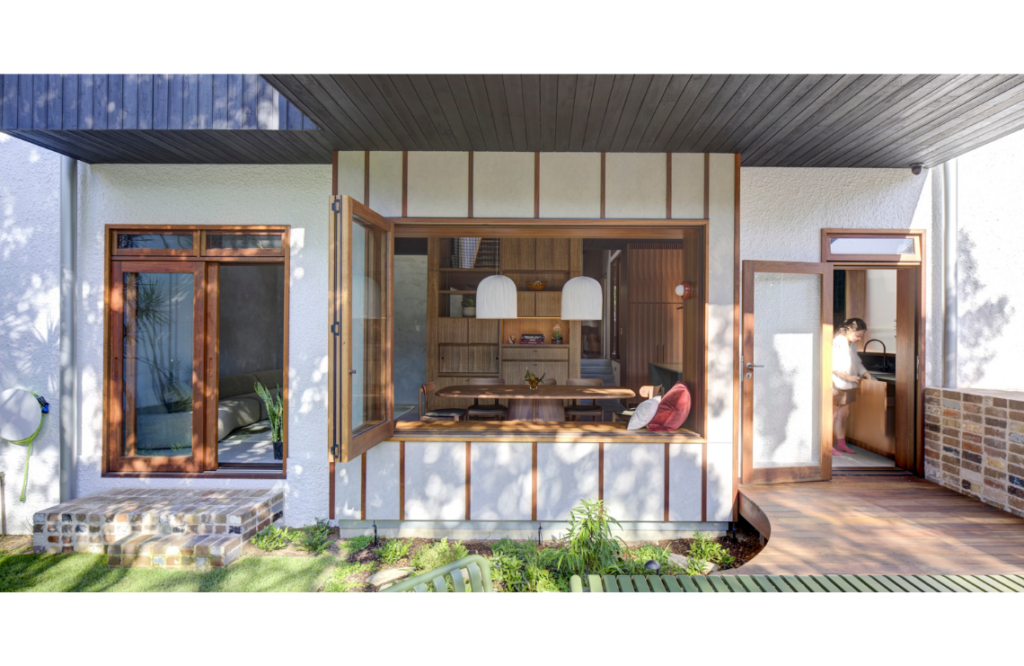
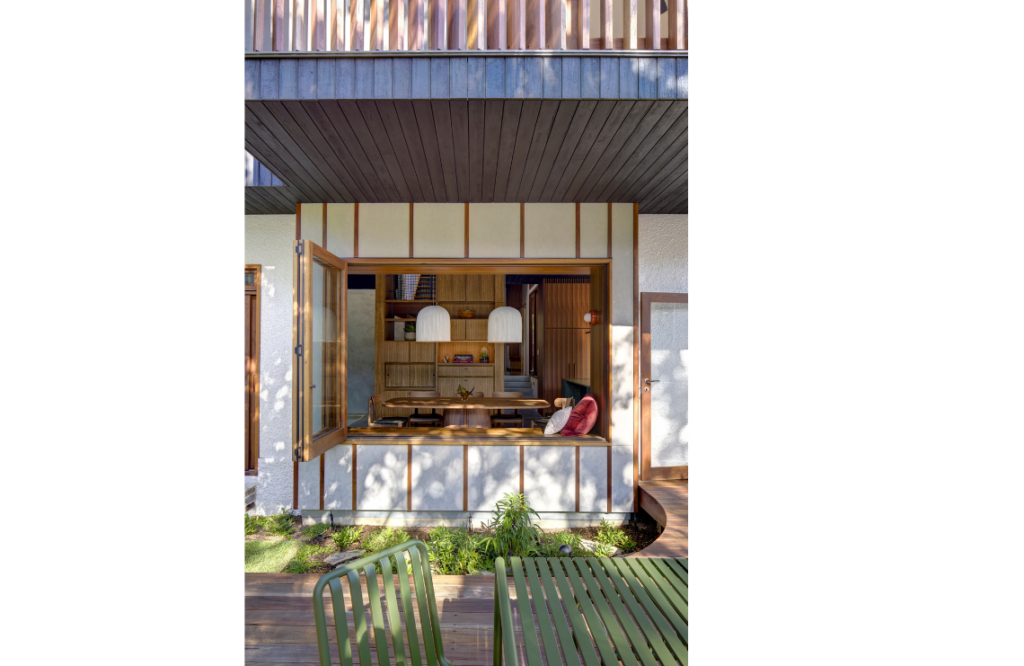
This home is all about relaxed family living in comfort. One of the exceptional features for Charly is the central stair and void as it expresses and supports the life of the family. “The dining bench seat and bifold window is also a favourite moment; being inserted into the rear garden space connects you back to the outdoors,” she says. This dwelling offers both contrast and continuity; understanding and executing these details with finesse is what makes this project special.