


The Didier Design Studio has long intuited a world where art meets design, craftblends with engineering, and utilitarianism embraces luxury. Didier’s creative furniture design and production practice has always been open to boundless manufacturing techniques, materials and ways of thinking, as evinced by the brand’s extensive and varied product lines.
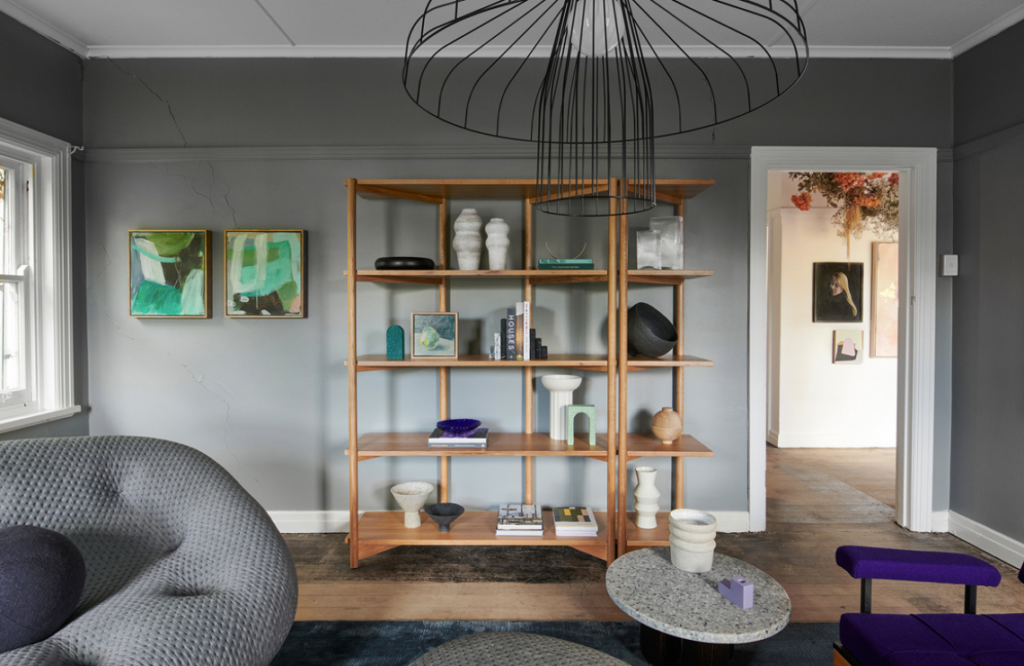
Studying both Industrial Design and Fine-Art Sculpture at RMIT, principal of Didier Design Studio and workshop, Ross Didier, always saw furniture design as the closest commercial connection to sculpture. The studio experiments and makes prototypes by hand. Opening the door to explore different manufacturing techniques including experimental industry skills, traditional production lines and complex 3D tooling, Didier then collaborates with a wide range of skilled craftspeople and factories to turn concept into reality. The result is one of Australia’s most eclectic and exciting design studios with a 30-year oeuvre of work that continually blurs lines between sculptural aesthetics and designed function.
“Art and design are different, and I feel very aware of the sliding bar between them,” says Ross. “Artists can do whatever they want for their art, and this liberation is the point of what they do. Design, on the other hand, has discipline, so to ignore this misses the point of designing. Good art communicates ideas while good design serves function, and I find this fusion inspiring.”
Ross Didier
“Puffalo lounging may be my favourite design as it celebrates the horizontal life and exemplifies laid-back style with sensuous and elongated proportions.”
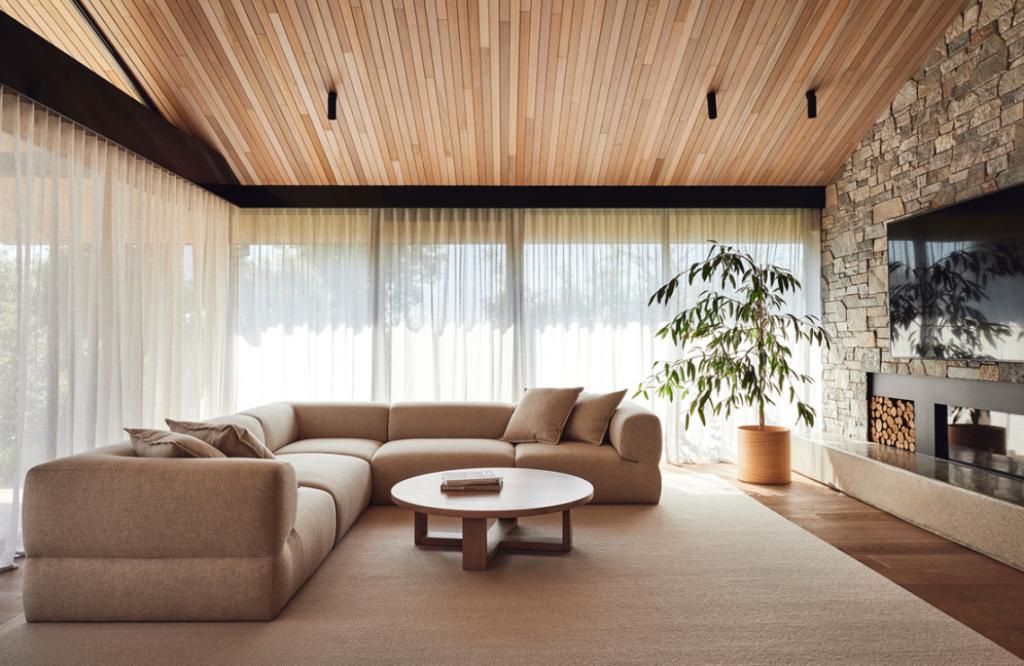
Picking a favourite piece from Didier Design Studio’s stellar stable of products is a near impossible task, but Ross says he has a softspot for Puffalo. “Puffalo lounging may be my favourite design as it celebrates the horizontal life and exemplifies laid-back style with sensuous and elongated proportions,” he muses. “It is a modular design, inspiring multiple combinations of voluptuous shapes from the largest of living rooms to the smallest statement spaces, and I designed this with memories of lazy afternoons on the weekends with my older sisters, playing records, flicking through magazines and just doing whatever.”
From languid lounging to pared-back essentials, the Fable collection continues to be one of the company’s most popular designs. This range started with a bold narrative and originally comprised six essential utilities: a spoon, a bowl, a stool, a chair, a table and a storage cabinet. “They are typical elements represented through the lens of traditional children’s tales, conjuring the belief that a woodsman has simply stepped outside, chopped down a tree and hand-carved these functional objects,” says Ross.
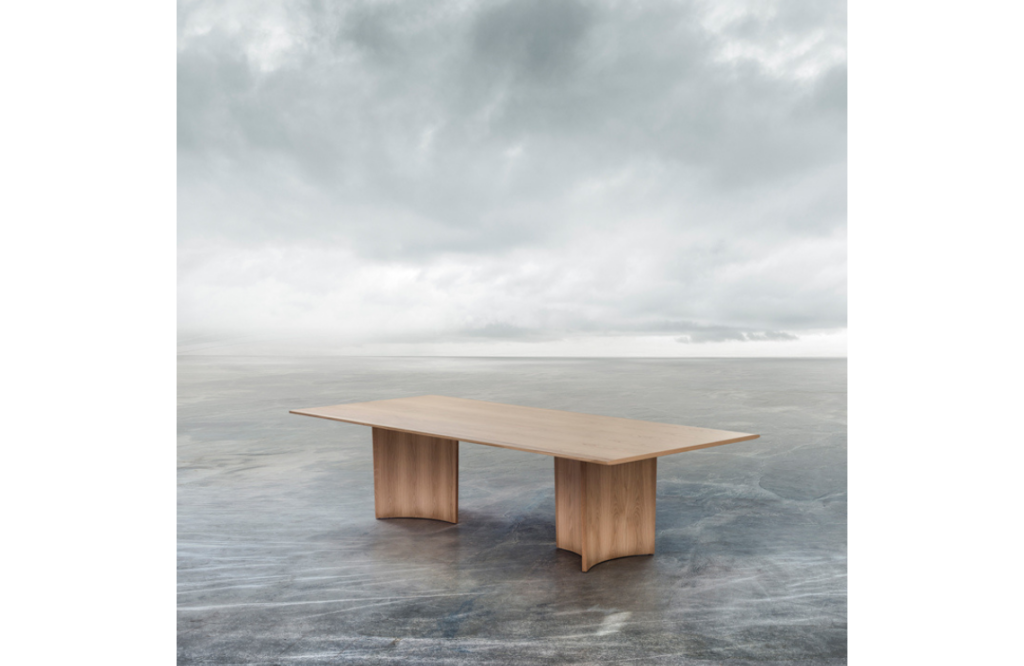
The Crevasse table was inspired by the natural beauty of glacial fractures.
Each piece Didier creates is made with sustainability in mind. As such, considered materials are selected to make quality designs for longevity, not fast furniture fads. A great example of this is the Crevasse table, which takes cues from the structural shifts in nature and embodies the striking beauty of glacial fractures — where ice splits and shifts, revealing depth, movement and contrast. Here, the oak timber tells a story of transformation, just as glaciers carve their path through time, shaping landscapes with every shift. “Good design serves function, while great design lasts,” Ross insists. “The longer a good design serves your life, the more connected you feel to it and the more you want to look after it.”
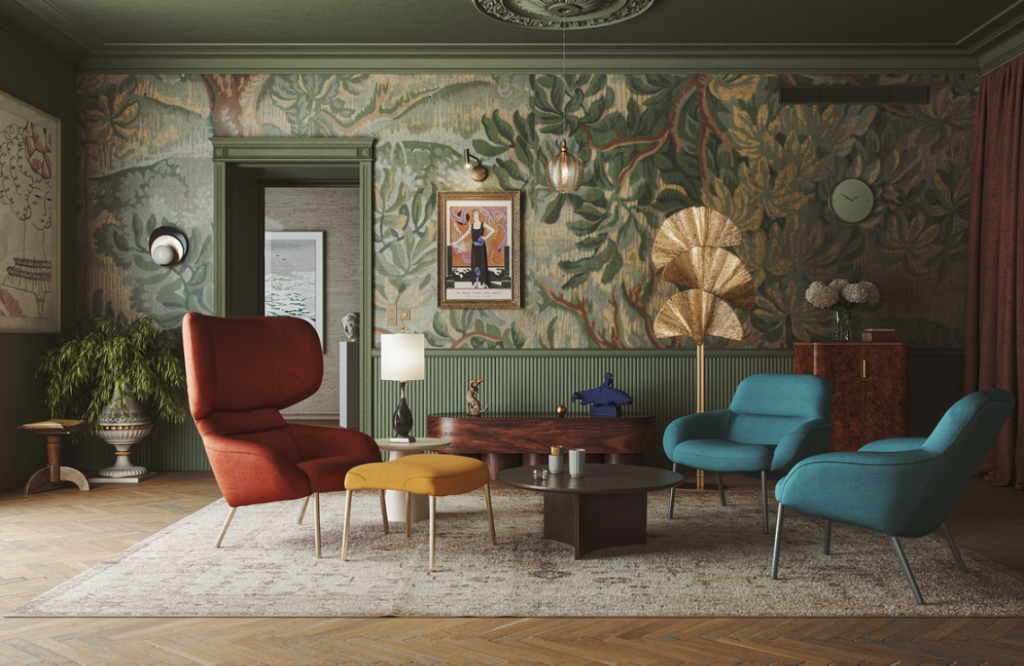
A storyteller at heart, Ross’s love of furniture design is contagious and enduring. Looking ahead, he hopes to see Didier progress to an international stage while remaining based in Melbourne. “For me, being a designer is the perfect blend of sculpture, engineering and curiosity,” he concludes. “Each final result is like three-dimensional storytelling.”
For more visit didier.com.au