
The profound influence of our homes
The profound influence of our homes is created by design elements such as natural light, acoustics, textures and materials. Ton Vu, director of Atlas Architects, says this defining culture is all about human-centred design. “Architecture has experienced a fascinating shift, moving in a wide arc from modernist ideals, through periods of more commercially driven housing, and back towards a renewed focus on people and place,” he says.
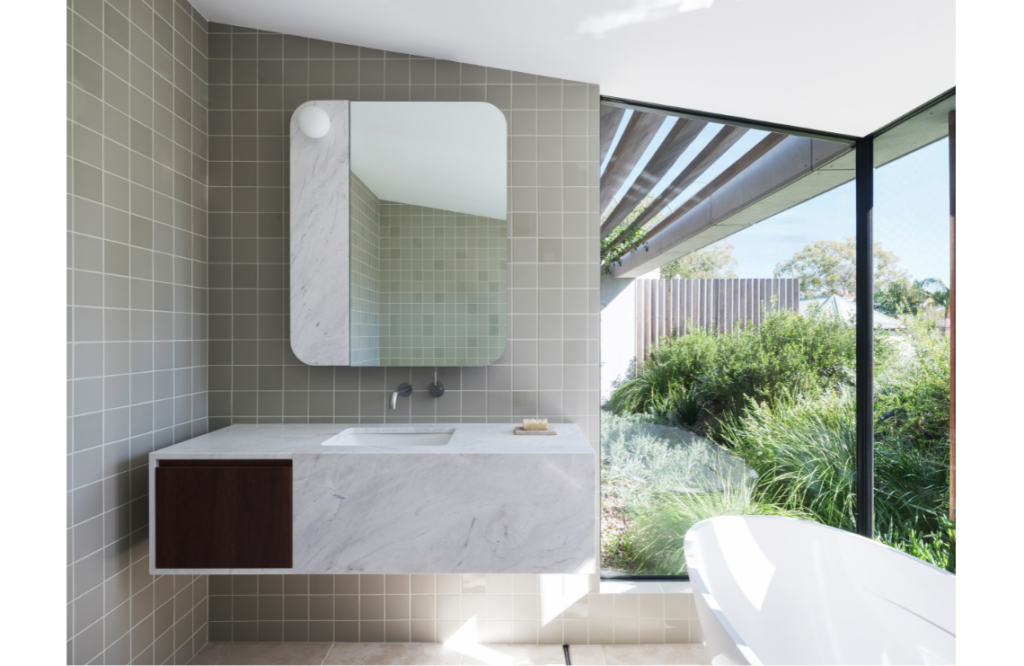
At its heart, human-centred design fosters organic connection, between inhabitants, each other, and nature. Mick Moloney from Moloney Architects welcomes the shift. “The focus now is on more nuanced projects that derive meaning from their relationship to place, history, and the people who live in them.” Sam Crawford from Sam Crawford Architects says great domestic architecture elevates the everyday human experience. “It considers the simple rituals of our day, so designing the bathroom could provide a view out the window to a beautiful garden, or a glimpse of the ocean.”
A healing home
A home designed with wellness in mind is uplifting. It seeks to nurture, to heal, and offers respite from everyday pressures. Sam says it’s all about spaces that dignify and bring joy. “Well-designed, considered spaces make us feel better, make us feel loved and cared for, make us feel safe.” Ton says contemporary human-centred design goes beyond aesthetics. “It’s about creating energy-efficient, healthy, and comfortable homes,” choosing products with low-embodied energy, non-toxic and from renewable or responsibly sourced materials.
Mick adds that flexibility is key. “Operable screens, dual-use spaces and layered floorplans let you open things up for connection or close them down for privacy, flexibility makes a home more enjoyable and more enduring as your circumstances change.”
Naturally good
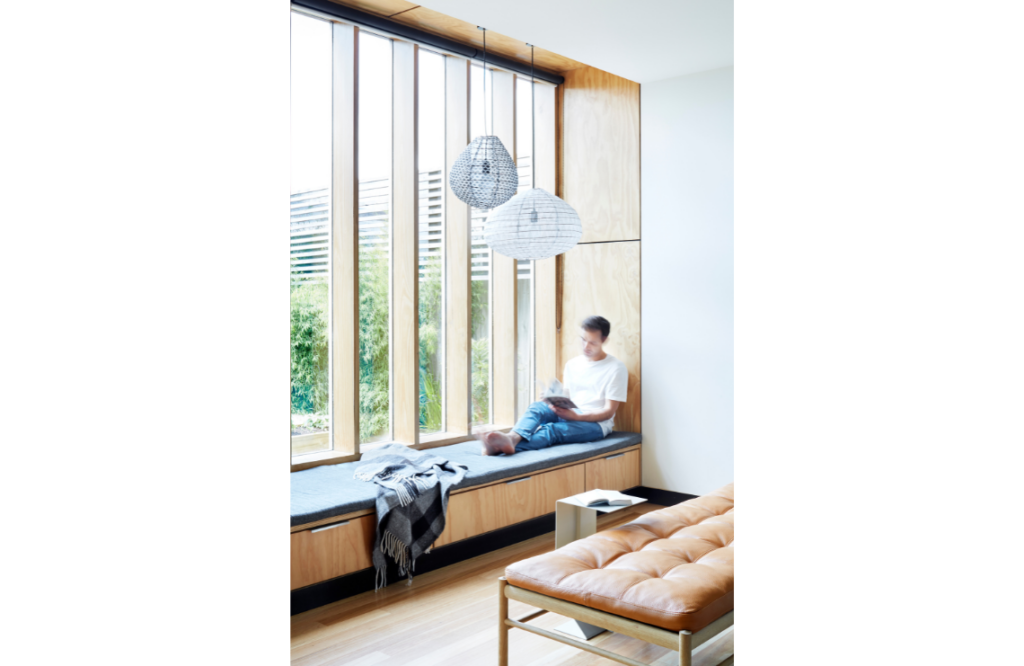
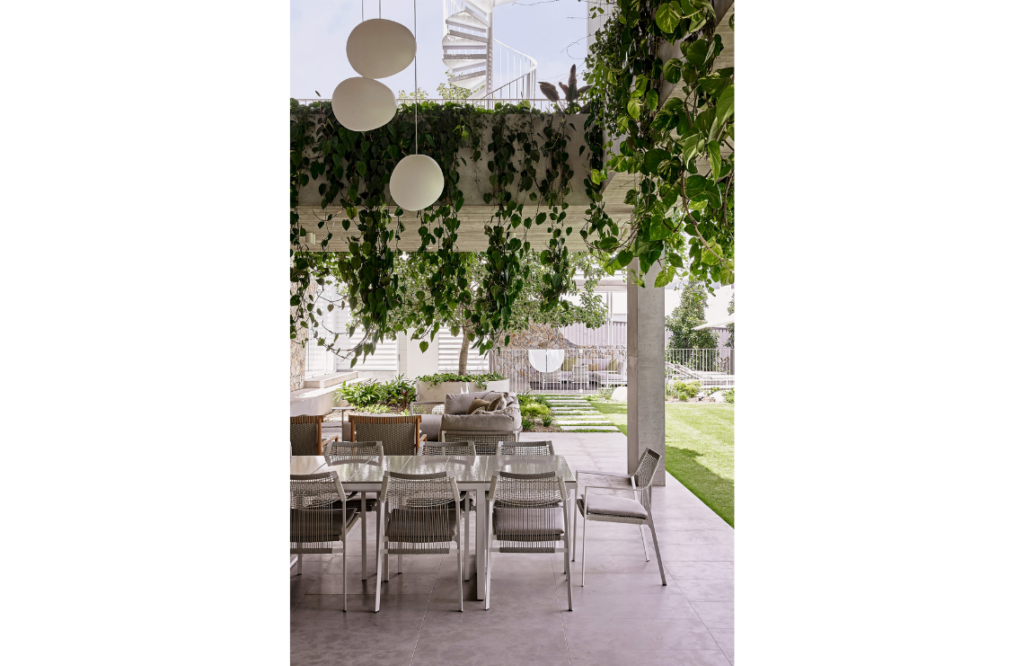
Biophilic design is all about connection, based on the notion that humans have an innate relationship with nature. Sam says views to a garden, ocean or sky and the sound of birdsong “calm our nervous system and lead to healthier, happier lives.” It encompasses plants, indoor-outdoor connectivity, natural materials, flowing water, warm spaces bathed in natural light, and organic shapes such as curved benchtops or mirrors. “The surfaces of the things that we see and touch change the way we feel inside ourselves,” says Sam. Mick’s favourite biophilic element is the humble window seat. “Is there a better architectural invention than the window seat?”
Calm the chaos
Cluttered spaces influence our emotions, leading to feelings of overwhelm and disconnect. Human-centred design offers solutions for storage, what you need is at your fingertips when required and tucked out of sight when it isn’t. Custom joinery and multifunctional storage spaces offer design flexibility over time as needs change.
Community living
Modern apartment living is human centric, fostering connectivity between residents. Ton says innovative strategies are re-establishing incidental moments of connection. “Projects such as Nightingale Apartments in Melbourne show how communal laundries, rooftop veggie gardens, and outdoor dining areas can become places where neighbours naturally meet.”
Light me up
Natural light boosts serotonin and elevates mood. Mick says “sunlight does more than brighten a room, it sets our sleep–wake cycles, sharpens concentration, and supports our mental health.” Human-centred design captures and harnesses natural light, getting the right light in the right place at the right time. Sam adds: “I firmly believe that we need to be able to see the sky from indoors, rooms that prevent us from seeing the sky lower our mood.”
Sound bites
Acoustics is one of the most overlooked aspects of residential architecture. Sam says well-proportioned rooms with the right balance of hard and soft surfaces create a comfortable acoustic environment. Ton recommends separating quiet bedrooms from noisy living areas, using solid internal doors, and incorporating sound-absorbing materials such as acoustic ceilings, rugs and upholstered finishes to reduce reverberation and create a softer, more comfortable sound environment.
Sam says well-proportioned rooms, with the right balance of hard and soft surfaces, create a comfortable acoustic environment.