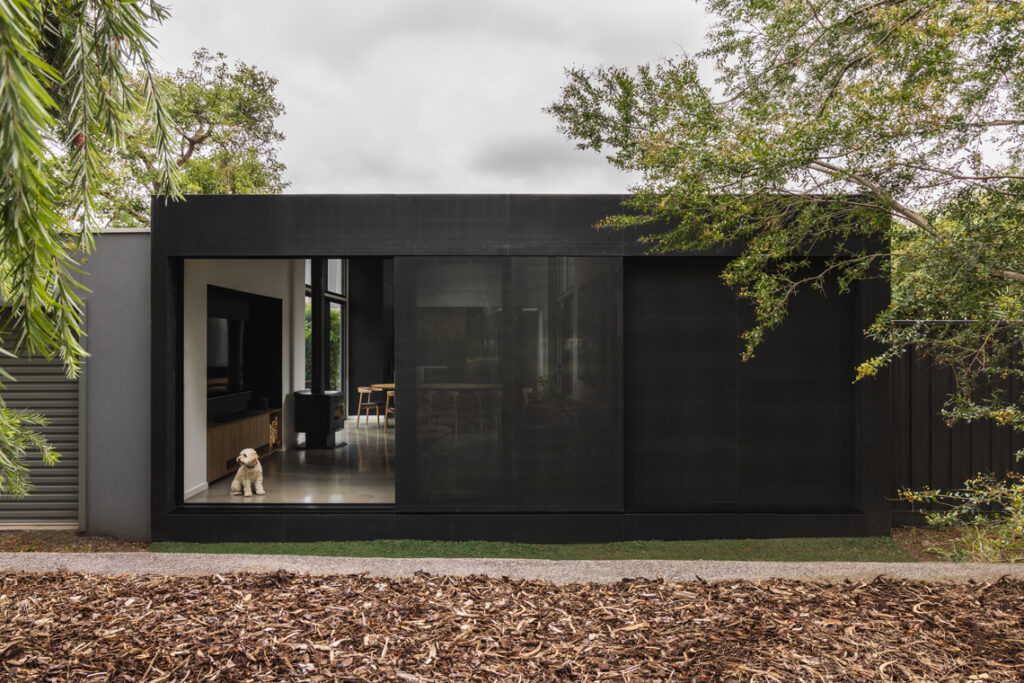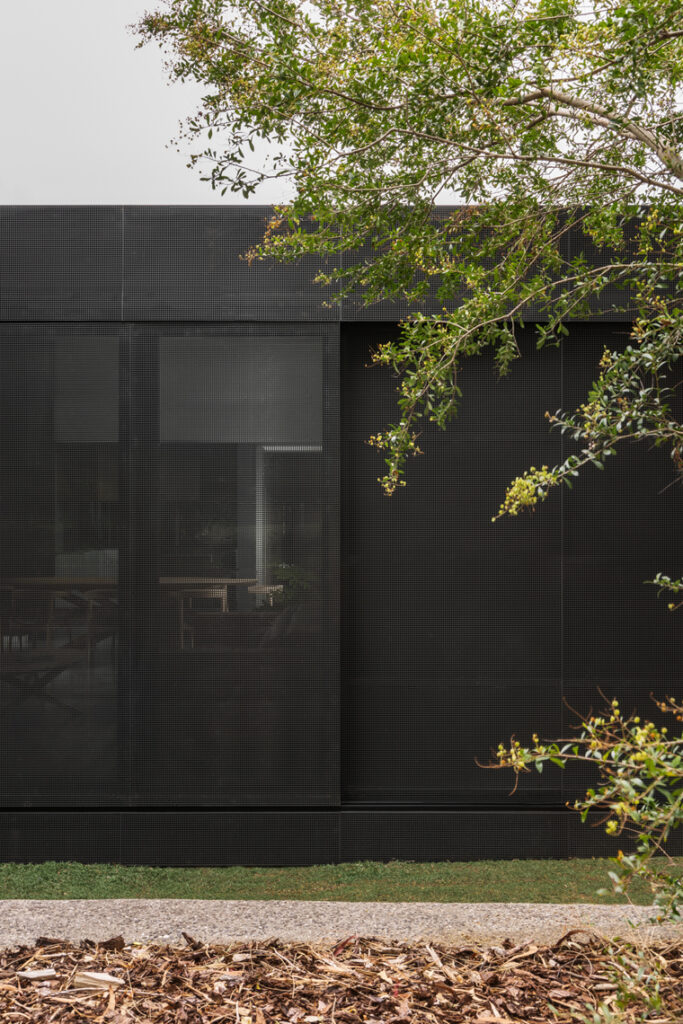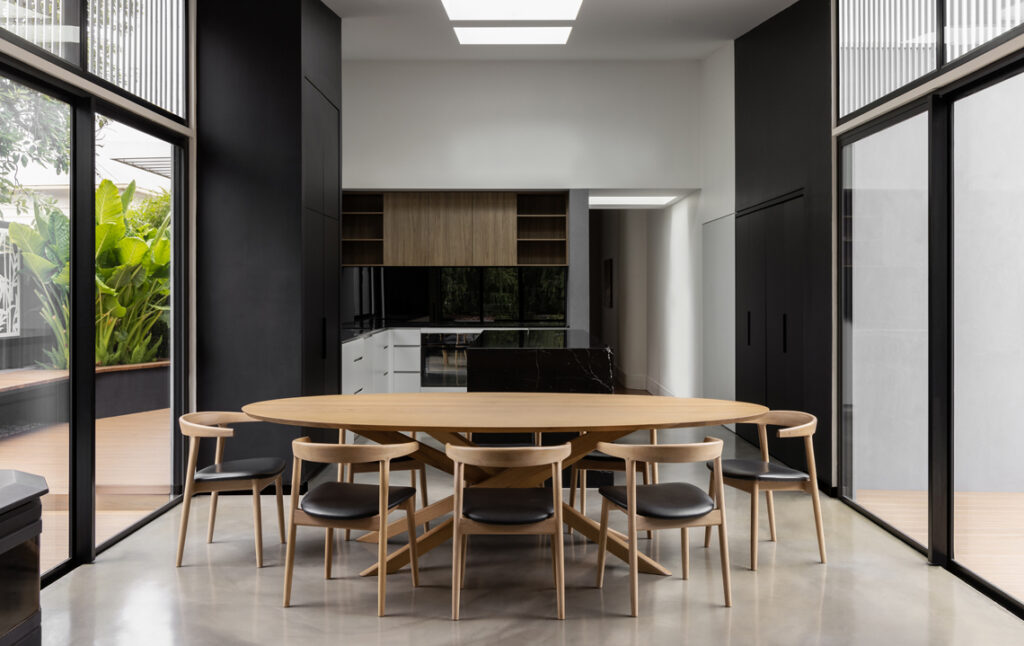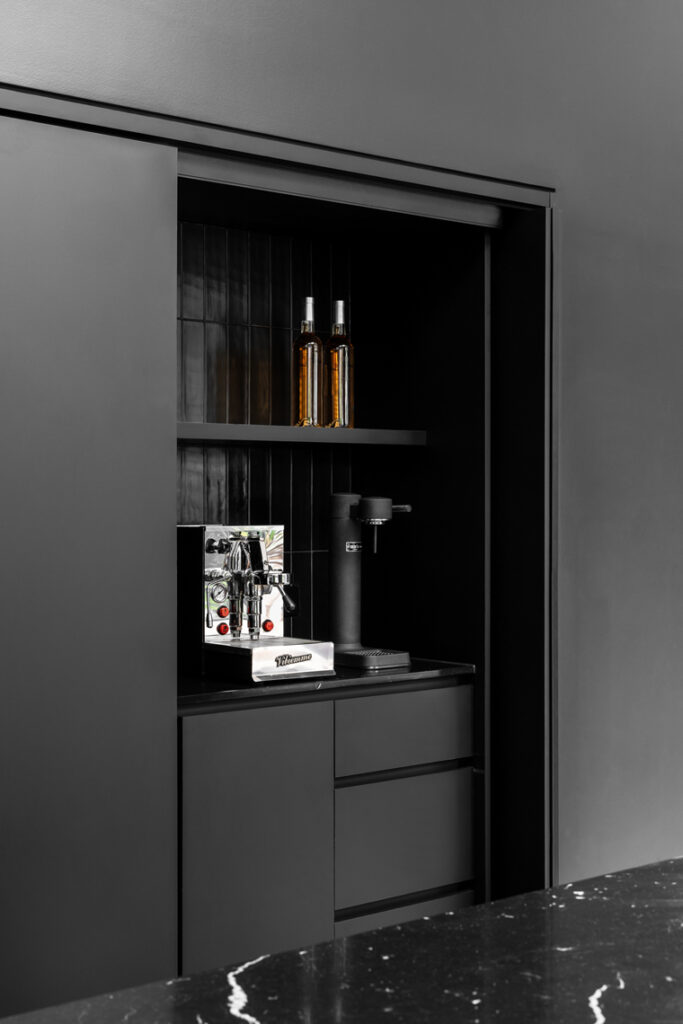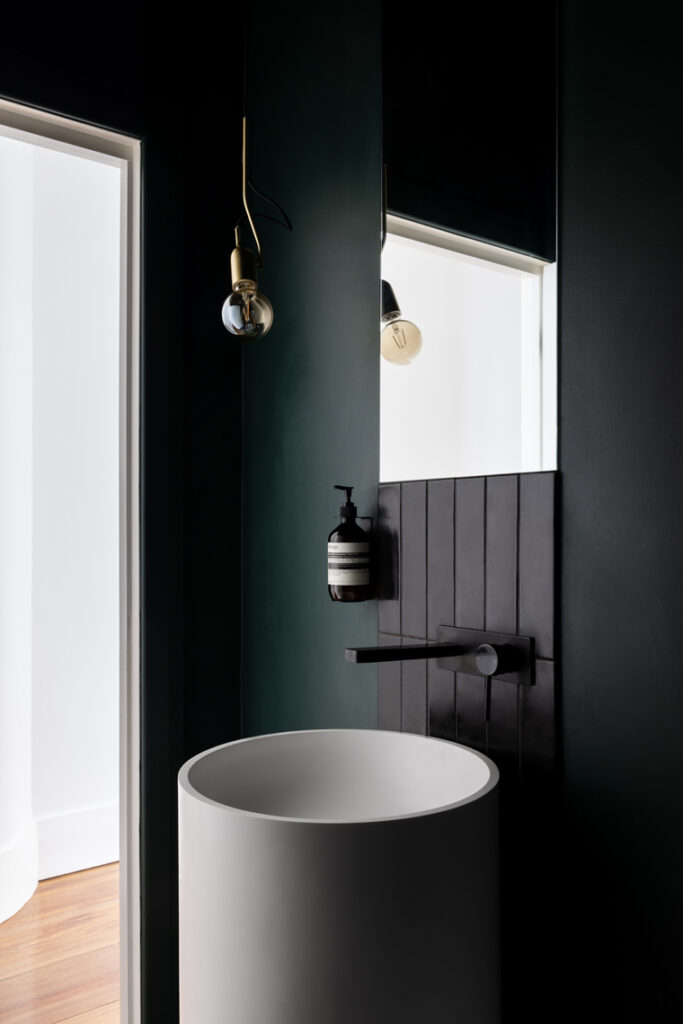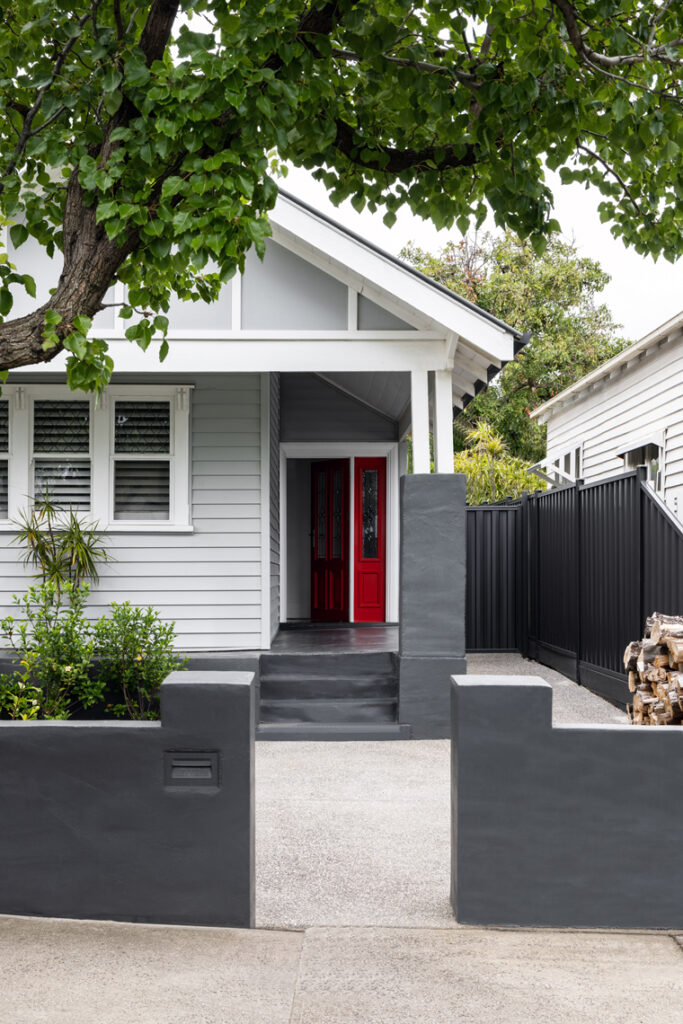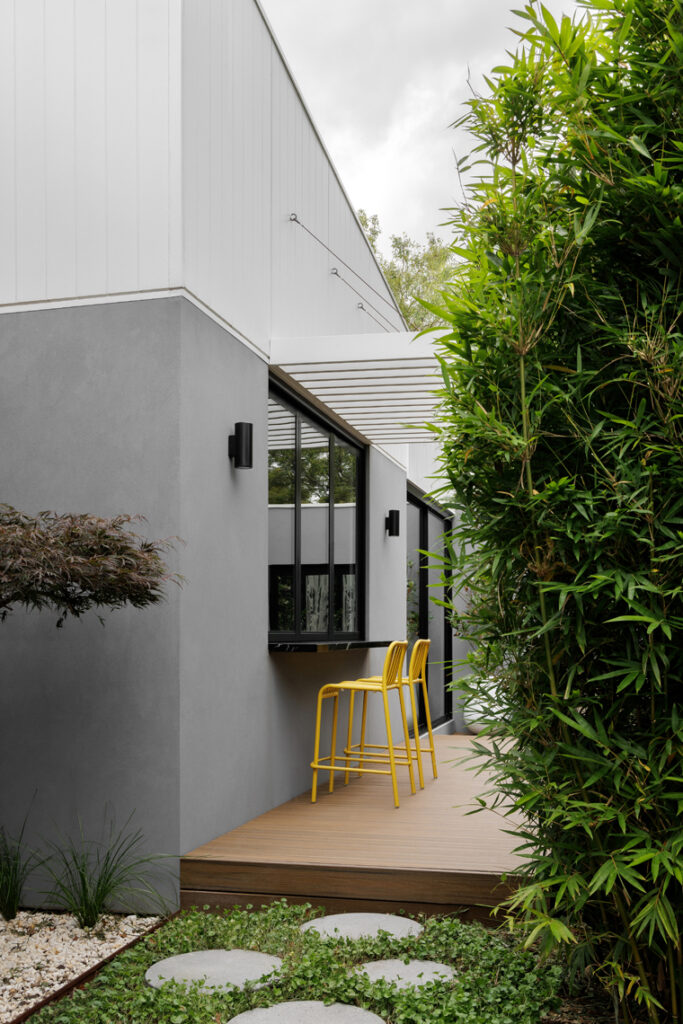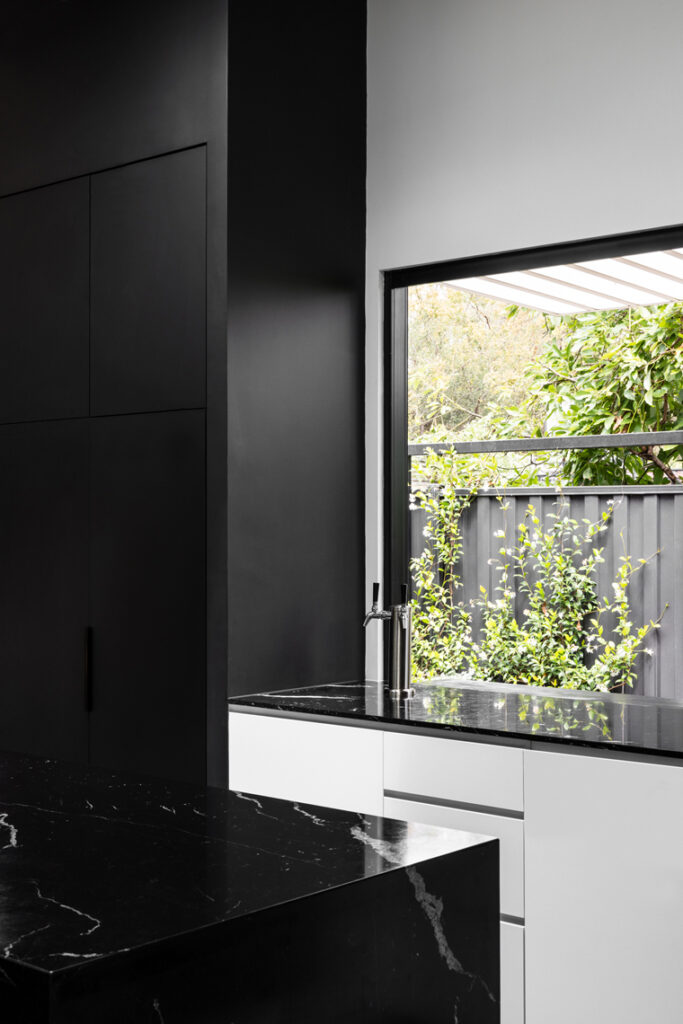

The clients for the Edge House renovation in Coburg, VIC, sought a contemporary extension to their Californian bungalow. Their objective was simple: to bring cohesion and flow between the old and the new, creating a home that supported the rhythms of modern family life with spaces that felt open yet intimate, adaptable yet enduring. Dean Dyson Architects transformed a maze of disconnected rooms into a beautifully sequenced family home.
Connecting the Old and the New
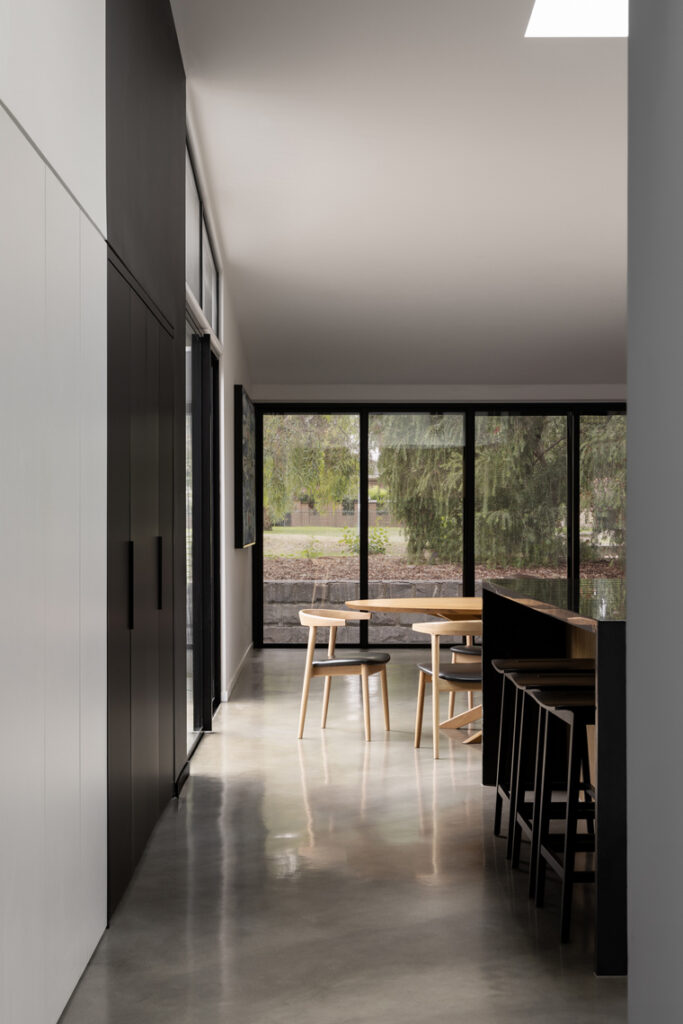
The existing house suffered from fragmented family interaction due to its disjointed layout. The architectural response for the Edge House reimagined the structure to create a natural sequence of spaces that encourages togetherness while allowing for moments of retreat. A central living area now acts as the heart of the home, seamlessly connecting the original rooms to the new garden courtyard beyond.
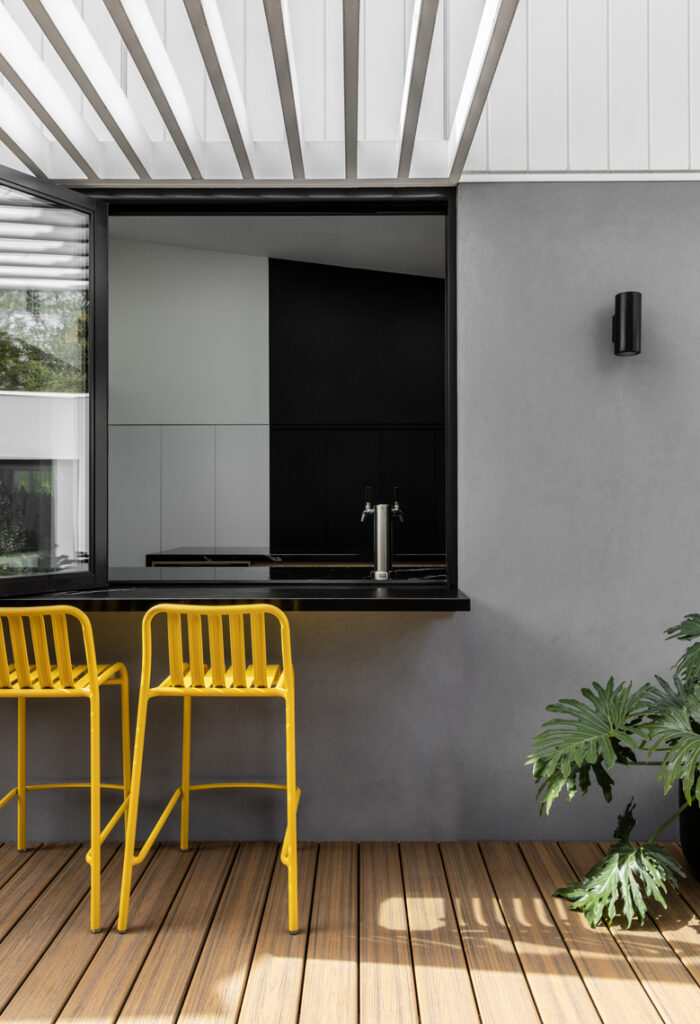
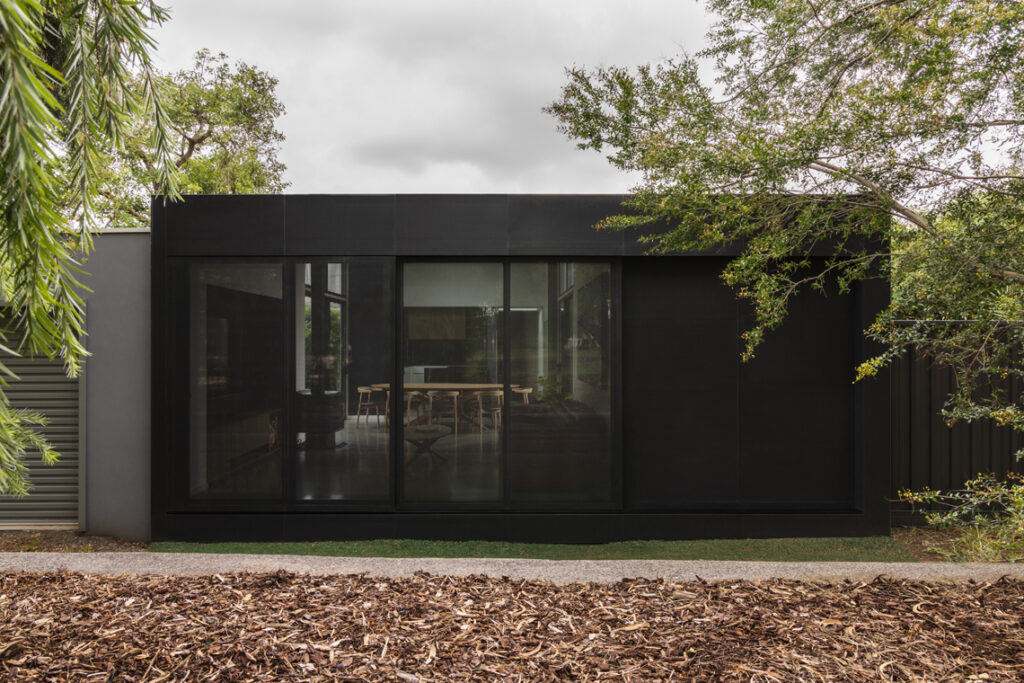
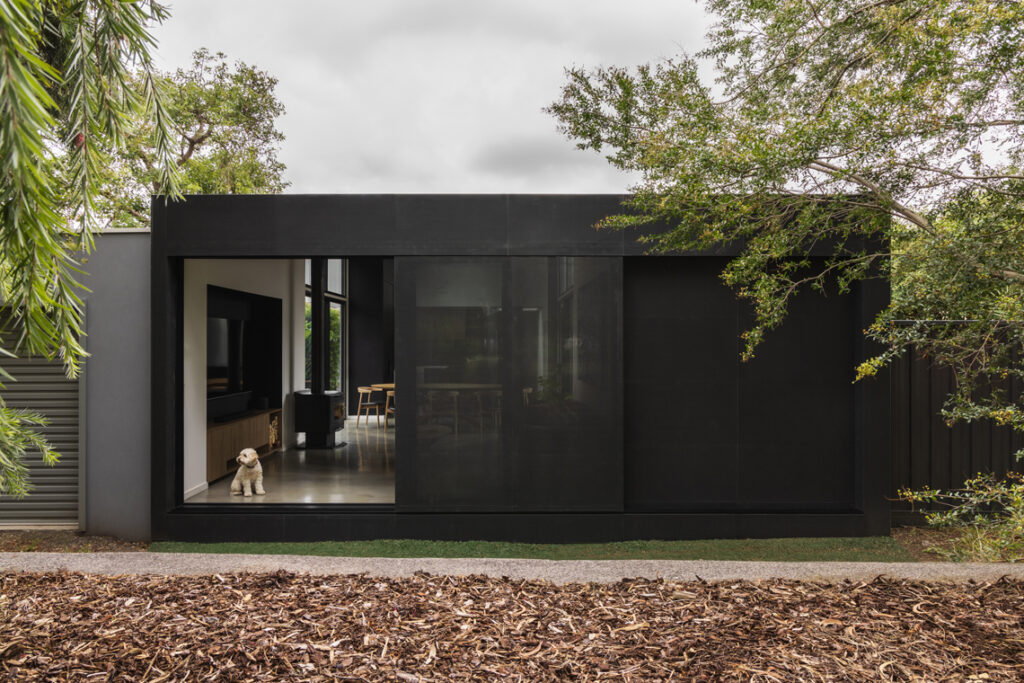
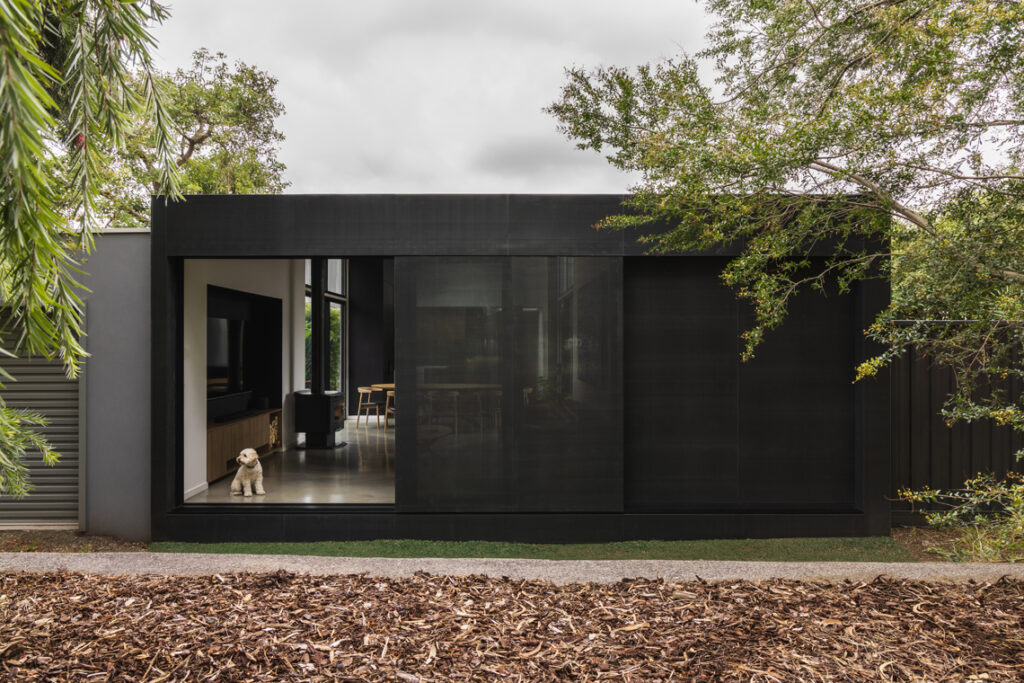
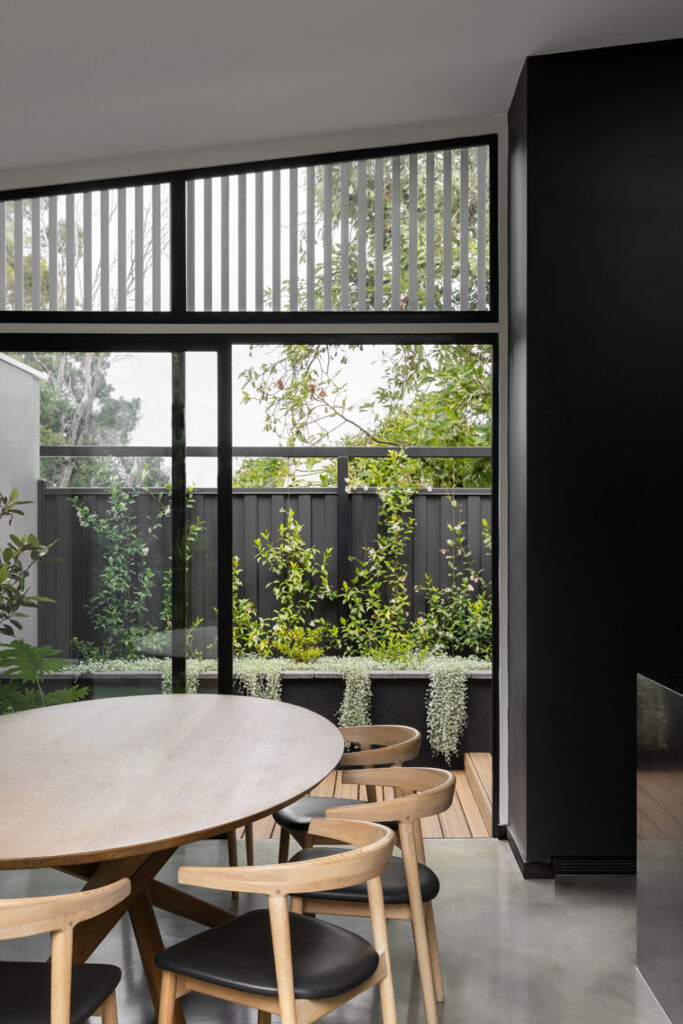
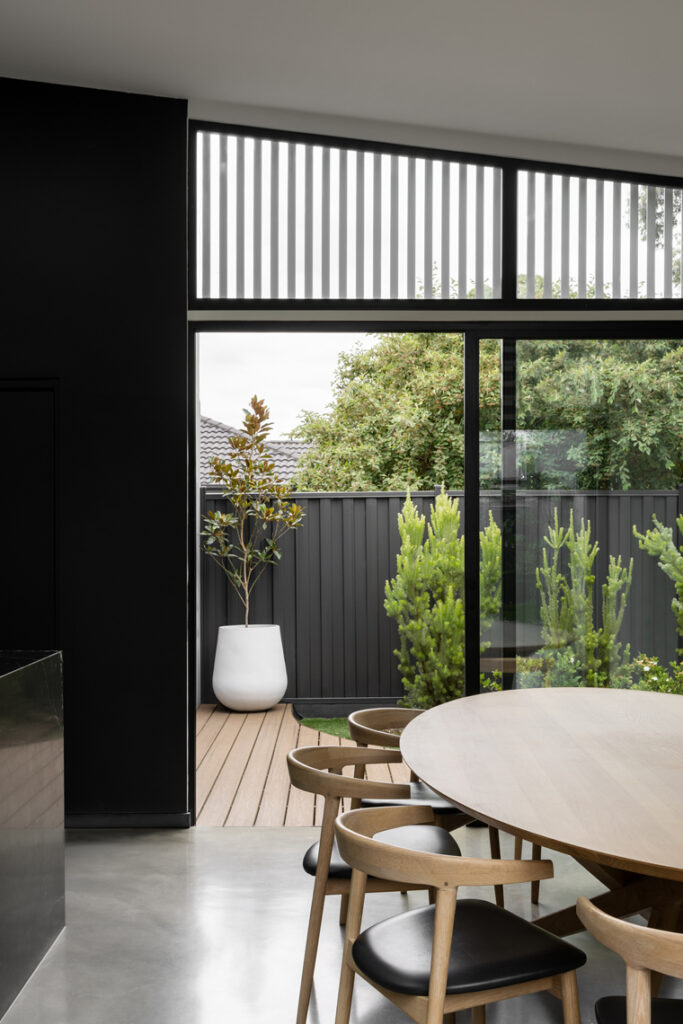
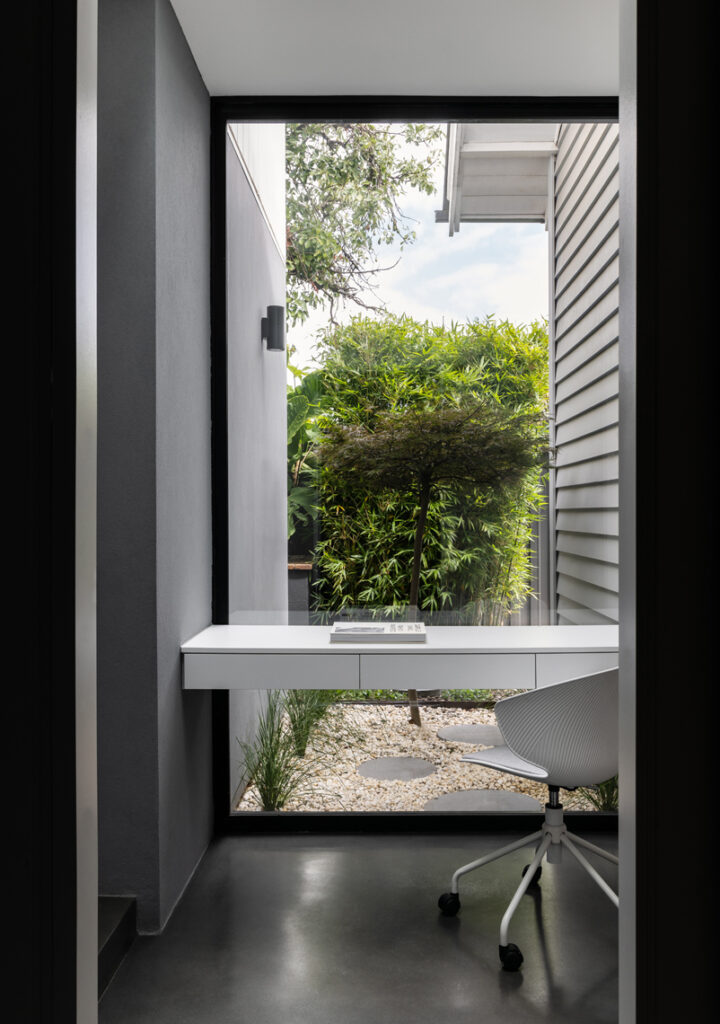
A key design feature was dissolving the boundary between the interior and exterior. Large openings and layered thresholds draw the surrounding landscape and parkland into the client’s daily experience. The finished home feels calm, generous, and deeply connected to its setting.
Simplicity, Comfort, and Sustainability
Every design decision for the Edge House was intentionally grounded in the clients’ aspirations for simplicity, comfort, and sustainability. The architects prioritized passive design strategies, including maximizing natural light and cross-ventilation, which significantly reduce the need for mechanical systems. This approach not only aids sustainability but ensures the home is comfortable year-round.
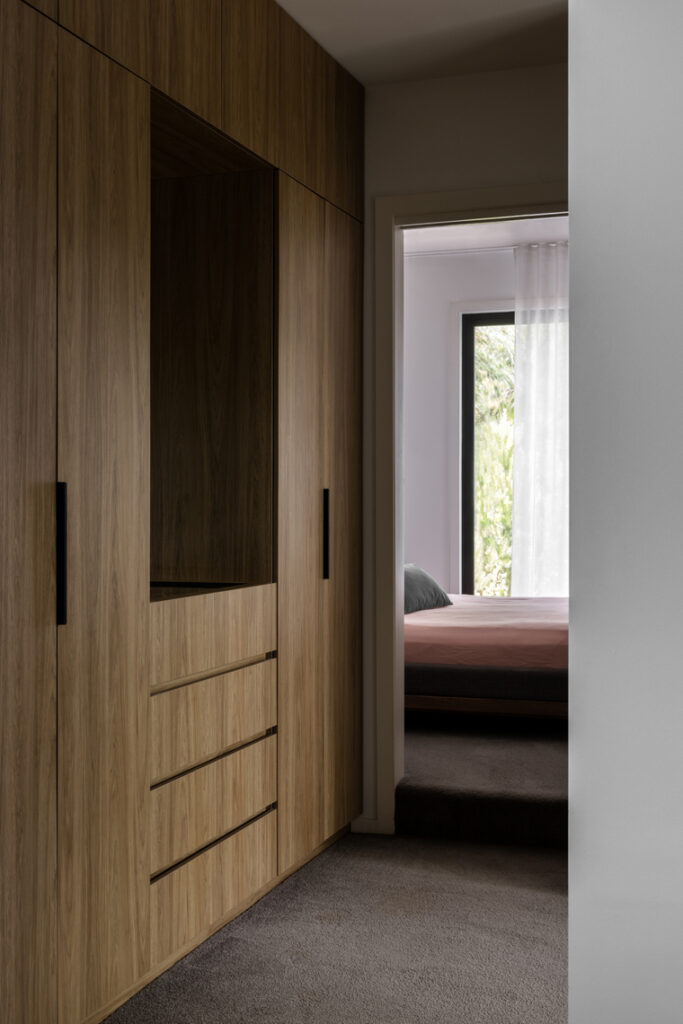
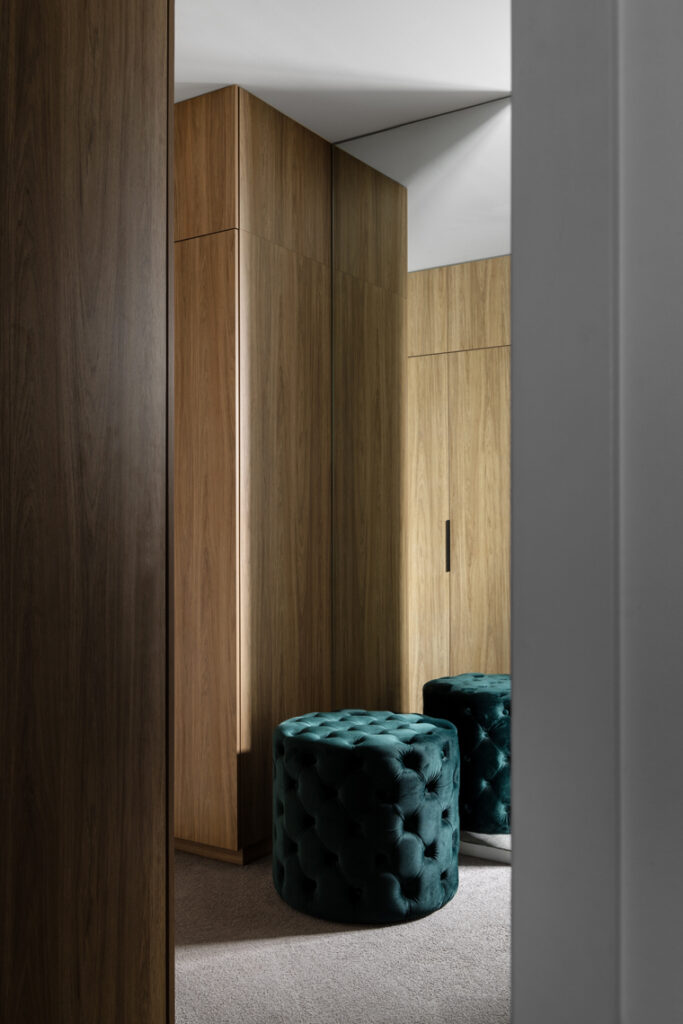
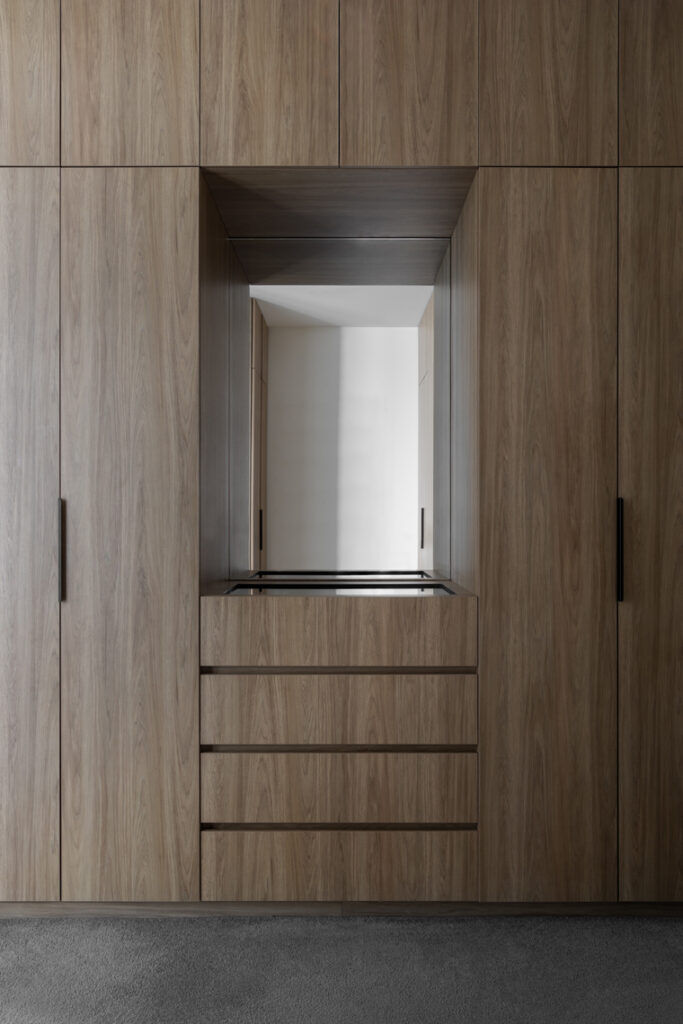
Furthermore, the use of durable, honest materials ensures the longevity and ease of maintenance for the entire renovation. Ultimately, the project successfully fulfilled the clients’ vision of a home that nurtures family life and strengthens their connection to each other and their surroundings.
A Collaborative Approach to Delivery
The successful delivery of the Edge House was supported by a strong, collaborative, multidisciplinary process. Communication was managed through open dialogue, with early involvement from the builder, Bonnici Carpentry Melbourne. This collaboration was vital for aligning the design vision with construction methodology and cost planning from the outset.
Budget was proactively managed throughout the process. The team maintained clear awareness of total project costs—including design fees, construction expenses, and contingencies—and worked to identify cost-effective solutions without ever compromising on quality. This dedication enabled the project to be delivered on time and within budget.
The construction process was guided by the ongoing collaboration between the architect, interior designer, landscaper, and builder. This synergy ensured the design integrity was maintained, spaces were seamlessly integrated, and execution on site was efficient. Commitment to craftsmanship and rigorous attention to detail by all disciplines also supported robust defect management, ensuring the final outcome met the highest standards and exceeded client expectations.